Embroider and solve the parking problem (experience, new era, dream catcher, "anxious to solve this problem")

Editor’s Note: In his important speech celebrating the centenary of the founding of the Communist Party of China (CPC), General Secretary of the Supreme Leader emphasized that "efforts should be made to solve the problems of insufficient development imbalance and people’s urgent difficulties and worries". The people’s urgent difficulties and worries are related to their immediate interests and reflect their livelihood and well-being. In recent years, all localities have actively explored, done practical things, and made efforts to solve the troubles of the masses and the difficult things at the grassroots level. The "Experience" column launched a series of reports on "It’s urgent and anxious to solve this problem", focusing on the problems that the masses care about, such as "parking difficulties", "entering the park difficulties" and "seeing a doctor difficulties", studying the solutions and exploring useful experiences, so please pay attention.

It’s late autumn, but the night in Jiangnan is still warm. At 9 o’clock in the evening, Jin Rongjia, who works in Suzhou City, Jiangsu Province, drove home from work. The car went all the way through the lights and returned to Huagang Community in Xihu Community, Jiangling Street, Wujiang Economic Development Zone. At this moment, it is the most lively time here-clothing stores, snack bars and fruit shops are coming and going on both sides of the commercial street in the community, and mobile vendors’ cars on the curb continue the fireworks of street life.

At this time, there are no parking spaces in the community. Jin Rong was in no hurry. He stopped at the farmer’s market to buy a midnight snack, and then calmly turned into a newly opened temporary parking lot on the north side of the community.

Scan code, stop, go home, everything goes well!

"I used to go home at 10 o’clock in the evening. The most worrying thing was the parking space. I often circled around the community, but I couldn’t find a place to stop. There is nothing I can do, so I parked my car in front of the closed shop. I often can’t sleep for a few hours, and I was called to move the car at dawn. " Compared with the past, Jin Rong smiled happily.

The location is special, the demand is diversified, and parking is intertwined with people’s livelihood

Huagang Community used to be called Huagang Village. With the development of national wetdz, there are more and more migrants.

Zhao Pingyuan, deputy secretary of the Party Committee of Xihu Community and director of the former Huagang Village Committee, laid out a map: It faces Shanghai and Zhejiang across the water, and foreign tenants come from all directions. In this old community built in 2000, there are more than 500 residents and more than 8,000 migrant workers. Commercial streets and mobile street vendors in the community have attracted more than 5,000 employees from nearby factories to spend money here.

With the improvement of economic conditions, many residents bought cars. "There were less than 10 cars at the beginning of the completion of the community, and there was no planned parking problem at all. Who would have thought that there would be more than 800 vehicles in 2019. " Zhao Pingyuan is very headache.

Not only that-there are more than 120 vendors among the residents, and nearly 200 stall cars have to "grab parking spaces" with cars; There was no charge for parking in the old community, which attracted the residents of the surrounding commercial housing community. Every day, more than 200 foreign cars stopped in.

Li Wencheng, a community resident, usually sets up a stall in the night market. He can’t remember how many times he quarreled with his neighbors about parking. Either his car was scratched by other stall cars or his stall car scratched someone else’s car. Countless residents like Jin Rong couldn’t find a parking place after several rounds of overtime nights. On the two-way non-mixed lane of Jiulong Road outside the residential area, the uneven road surface was blocked by more than 100 illegal cars one night …

Tap the potential inward, revitalize the stock, and do Dojo in the snail shell.

The difficulty of parking has increasingly troubled the residents of Huagang Community, and has become a livelihood fact that the masses have strongly reflected and urgently need to solve.

In 2019, Jiangling Street implemented community management, and Huagang Village was renamed Huagang Community, which was under the jurisdiction of the newly established West Lake Community. Zhao Pingyuan’s post was transferred to the community, and he broke the problem from Huagang Community, where the parking contradiction was the most serious.

Re-plan the parking spaces through bidding design, make full use of the littered public areas, and rebuild the severely damaged green belts into ecological berths … After all the planning, the space is still limited. Huagang Community exerts its strength from both the supply side and the demand side.

Zhao Pingyuan led the reporter to the middle of the community. There are 50 parking spaces in the west of a small river. "That’s not the case." Zhao Pingyuan took out his mobile phone and turned out the old photos: dilapidated color steel houses lined up in a row, and garbage was everywhere. It used to be a fruit and vegetable trading point spontaneously formed by farmers. Last year, it was demolished due to substandard sanitation and epidemic prevention, and it just turned into a parking lot.

Further north, a white line is drawn on an open space of about 1500 square meters, and more than 60 parking spaces are separated. "Well, here, it used to be a venue for residents to hold weddings and funerals. It is impossible to do things every day. We will plan it out. When we do things, we will move the car in advance and set up tents for banquets. If we don’t do things, we will use it for parking."

The east and west ends of the community are the sentry boxes for property security. Since 2019, Huagang Community has introduced properties and added gates to control "cars that should not be stopped" and "cars that should be stopped".

"Manage through economic leverage." Lu Peisheng, the property manager of the residential area, said that there was no charge for parking in the residential area, and as a result, cars everywhere stopped, which aggravated the congestion. After charging a proper fee, the residents all said it was acceptable to get a better parking environment. Considering the actual situation, some tenants chose rational car purchase.

Because of the large population mobility, it is inconvenient to set up a fixed parking space. Pei Lu also serves as a guide and mediator. When the reporter visited Huagang Community at night, he saw that Lu Peisheng picked up the walkie-talkie from time to time and contacted the sentry boxes to help the residents who came back late find the corner where they could park.

Fine governance, inciting increment, and multi-party joint efforts to build a mechanism

The "parking difficulty" in Huagang Community is not only the rapid growth of the number of cars, but also intertwined with nearly 200 mobile stall vehicles entering and leaving the community.

"From the perspective of law enforcement, these stalls will eventually be banned. However, in areas with a net inflow of population like Jiangling Street, there is just a need for its existence at this stage. " Zhang Lingjian, deputy director of Jiangling Street in charge of comprehensive law enforcement, said that tolerance for diverse lifestyles and consumption habits is also the meaning of civilized city governance.

At the beginning of this year, the West Lake community turned to the higher authorities for help in further solving the parking problem, and it was quickly responded. Wu Shouhong, chief of the bidding management section of the Construction Bureau of Wujiang Economic Development Zone, introduced that there is a factory upgraded to the park on the north side of the community, and 17 mu of land has been vacated, which can be used to build a temporary parking lot before the planned use is clearly defined.

The reporter walked into this parking lot of about 2000 square meters, with 73 parking spaces inside, and many vehicles were parked every day; Separated by a wall is a temporary parking spot for 360 square meters of stall cars, with drainage pipes, night lighting and security supervision. Wu Shouhong said that in the future, it will gradually be designed as a fixed place for parking during the day and setting up stalls at night to further reduce the parking pressure in the community.

Temporary parking is possible, how to protect it in the long run? The reporter learned that Wujiang District plans to plan public parking lots not less than existing parking spaces according to the surrounding conditions. "With the improvement of living standards, car ownership will continue to grow. Focusing on the long term, it is necessary to establish a long-term mechanism to achieve fine governance and urban renewal. " Wang Mou, member of the Standing Committee of Wujiang District Committee and deputy secretary of the Party Working Committee of Wujiang Economic Development Zone, introduced that the "Lebo Wujiang" intelligent parking system being applied in the whole region can integrate and mobilize all public and temporary parking spaces, and after the community parking demand is connected, it can seek more flexible resource allocation methods nearby; Cross-departmental platforms can also be used to build a bridge for resource sharing between community residents and surrounding business districts.

The good news came one by one, and the problems were solved one by one. Jin Rong and Li Wencheng will be steadily heading for a good day in this human fireworks.

People’s Daily (19th edition, November 12, 2021)

The National Bureau for Disease Control and Prevention issued the Technical Guide for Comprehensive Intervention of Public Health for Prevention and Control of Myopia in Children and Adolescents.

  Cctv newsAccording to the National Bureau of Disease Control and Prevention, research shows that myopia is the result of many factors, and children and adolescents are generally susceptible. On the basis of considering multiple causes, such as environmental and behavioral factors, genetic factors, eye evolution law and social and cultural factors, this paper puts forward intervention techniques for children and adolescents’ myopia, and adopts three-level prevention strategies to implement comprehensive public health intervention measures to prevent, reduce and slow down the occurrence and development of children and adolescents’ myopia.

  First, the prevention of public health intervention technology

  (1) Monitoring, evaluation and intervention of myopia risk behaviors.

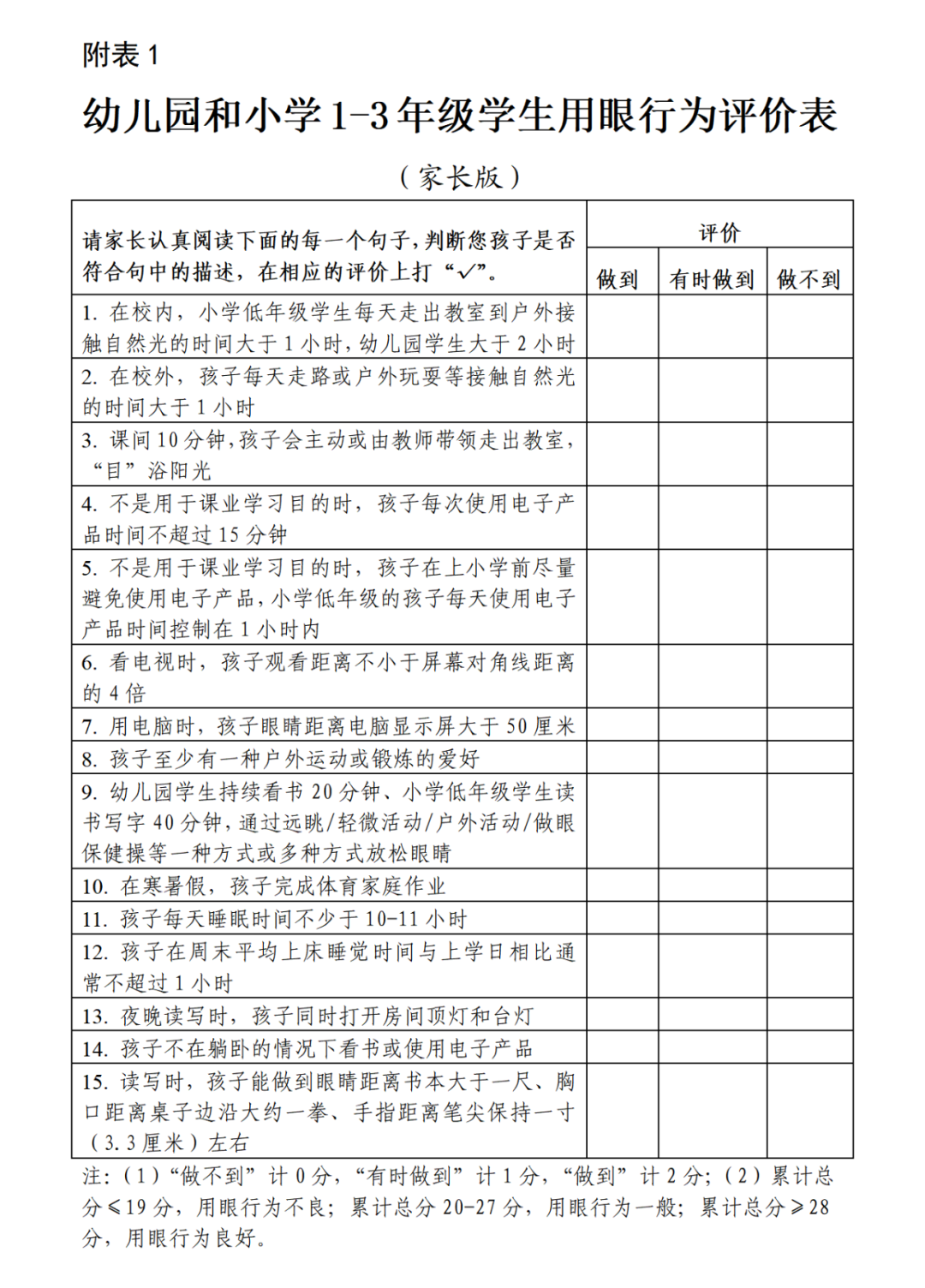
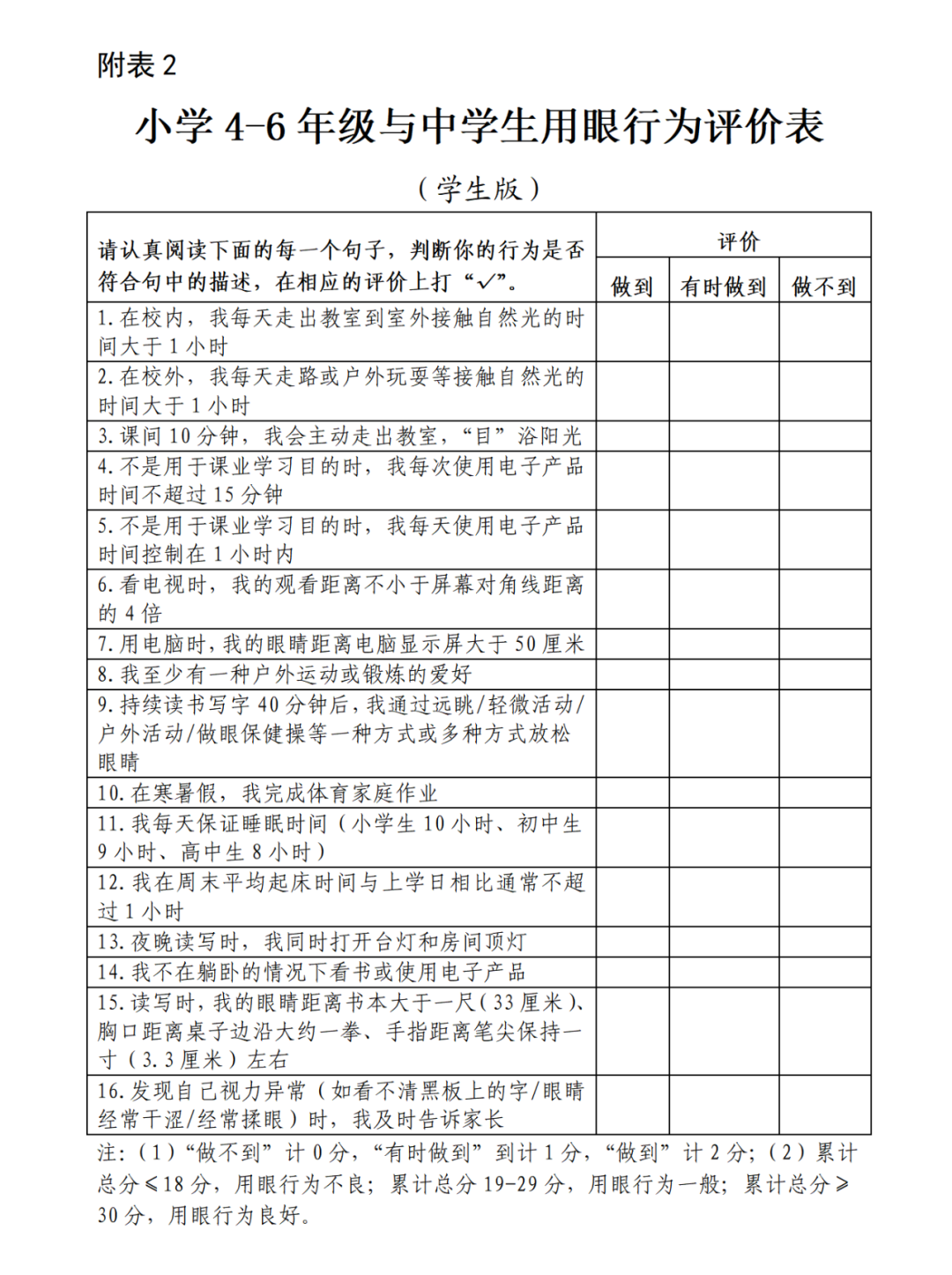
  1. Students’ eye behavior evaluation. For students of different school ages, the eye behavior evaluation form for kindergarten and primary school students in grades 1-3 (parent version) (attached table 1) and the eye behavior evaluation form for primary school students in grades 4-6 (student version) (attached table 2) were used to evaluate the eye behavior of kindergarten to middle school students, and to identify the risk behavior factors that affect myopia of children and adolescents, such as insufficient outdoor activities, excessive use of electronic products, lack of sleep or large social time difference, reading and writing.

  2. Application of evaluation results. According to the specific risk factors, teachers and parents should change the bad eye behavior of children and adolescents (the contents listed in Schedule 1 and Schedule 2 can be used as the contents of health education and behavior standards).

  3. Promote good eye use behavior with appropriate technology. Actively develop or use the existing appropriate technologies for myopia prevention and control, and apply them to promote the development of children and adolescents’ rational eye use behavior. For example, the height of the desk and chair measuring ruler (desk and chair deployment measuring ruler), correct reading and writing posture wall chart, light monitor, eye relaxation exercises, etc.

  (2) The visual environment of schools, families and communities has been improved.

  1. The construction of school visual friendly environment. Schools should provide students with good lighting and lighting environment according to the Hygienic Requirements for Prevention and Control of Myopia in School Supplies for Children and Adolescents (GB40070-2021). Each class should be equipped with desks and chairs to allocate measuring ruler, measure the height range of students regularly and adjust the desks and chairs in time. Each classroom should be equipped with adjustable desks and chairs or 2-3 types of desks and chairs according to the height range of students. The desks and chairs of the same type can be placed in columns, and the height of desks and chairs should be adjusted individually once every semester according to the height and sitting height of students. According to the perspective of students’ seats, the lighting situation in the classroom and the changes of students’ eyesight, the school will change students’ seats at least once a month. Multimedia classrooms should choose large-size projectors or computer screens. Under the same screen size, choose products with high screen resolution.

  2. Building a family visual friendly environment. The desk should be placed so that its long axis is perpendicular to the window. When studying during the day, natural light enters from the opposite side of the writing hand to avoid direct sunlight. The average illumination value of the desktop is not less than 300lx. Parents should adjust the height of desks and chairs regularly according to the growth and development of children and adolescents. Children and adolescents should be equipped with desk lamps that have passed the national compulsory product certification (CCC certification), and children and adolescents should turn on the ceiling lights in addition to using desk lamps when studying at night. When online learning is needed, electronic products with large screen such as TV and desktop computer should be selected, and electronic products with high screen resolution should be selected under the same screen size. The viewing distance of TV is not less than 4 times the diagonal distance of the screen, the horizontal viewing distance of computer is not less than 50cm, and the viewing distance of mobile phone is not less than 40cm. Children and teenagers don’t put televisions and computers in their bedrooms. They use dark curtains at night and don’t turn on the night light to sleep. Guide children and adolescents to avoid or reduce exposure to high brightness and blue light-rich electronic products at night.

  3. Community visual friendly environment construction. Green space can prevent or slow down the occurrence and development of myopia in children and adolescents by increasing outdoor time and reducing screen time. Reasonable green land is set up in the community, with certain activity facilities, which is suitable for carrying out all kinds of parent-child outdoor activities. The night light environment of residential quarters should comply with the current national standards. Except for indicative and functional signs, advertising lighting is not suitable for residential buildings (districts). The glare limit of night lighting lamps in residential and pedestrian areas, the maximum allowable value of illumination on the outer surface of windows of residential buildings, and the maximum allowable value of luminous intensity of night lighting lamps in the direction of rooms should be strengthened in accordance with the Planning Standard for Urban Lighting Construction (CJJ/T 307-2019).

  (3) 2 hours of outdoor activities and 1 hour of physical exercise during the day.

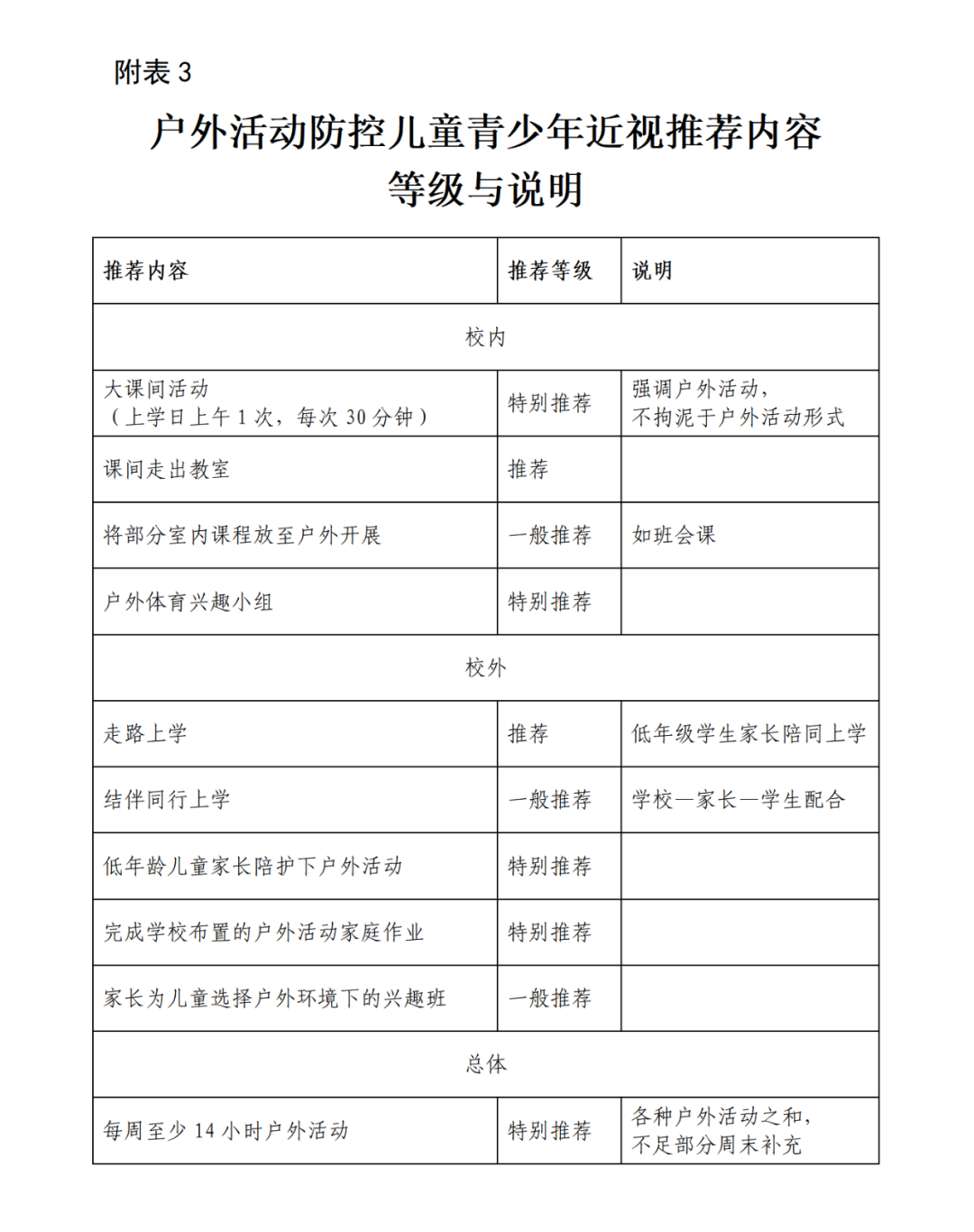
  1. Ensure 2 hours of outdoor activities every day and 14 hours every week. According to the Grade and Description of Recommended Contents for Prevention and Control of Children and Adolescents’ Myopia by Outdoor Activities (Attached Table 3), school-age children have two hours of outdoor activities during the day, which are carried out inside and outside the school. The insufficient time for daytime outdoor activities on school days should be made up on weekends and reach at least 14 hours of daytime outdoor activities every week. Kindergarten children advocate three hours of outdoor activities during the day and put more conservation content outdoors.

  2. Implement one-hour daytime outdoor activities on campus. The school arranges a 30-minute recess activity in the morning and afternoon, emphasizing outdoor activities and not sticking to the form and content of activities. Try to go to physical education class outdoors, and some indoor courses, such as class meetings, can be held outdoors. Set up outdoor activities interest groups and actively carry out various forms and rich contents of outdoor activities. Arrange extracurricular sports homework and provide high-quality exercise resources. Teachers should promptly remind students and class "eye guards" to supervise students to walk out of the classroom for 10 minutes between classes.

  3. Grasp the one-hour outdoor activities outside school. It is recommended that children and adolescents have a full or staged walking to school, and junior students should be accompanied by their parents. Parents encourage and actively participate in children’s extracurricular activities, complete extracurricular sports homework, and go outdoors and go to nature with their children on weekends and holidays. Schools, parents and students cooperate, actively explore the development of peer-to-peer school groups, increase the time of outdoor activities during the day, enhance exchanges between students, and reduce parental companionship.

  4. Exercise for 1 hour every day. According to the requirements of myopia prevention and control, children and adolescents should be outdoors for 2 hours every day, but according to the requirements of physical and mental health promotion, children and adolescents should be engaged in moderate to high-intensity physical activities for at least 60 minutes every day, mainly aerobic exercise. High-intensity aerobic exercise and muscle and bone strengthening exercise should be carried out at least three days a week. Taking physical education class as the starting point, the school guides students to carry out physical exercise, and brings the daytime outdoor physical exercise time into the range of 2 hours of daily outdoor activities.

  (4) Health education for all teachers, students and parents.

  1. Strengthen teachers’ health education ability. The school cooperates with public health professional institutions and medical colleges and universities to organize teachers to carry out health education and training on myopia prevention and control, so that teachers can master myopia prevention knowledge. Trained teachers popularize myopia prevention and control knowledge through health education classes, parent-teacher conferences, and myopia prevention and control theme class meetings.

  2. Improve students’ eye health literacy. Students should receive at least one health education course or theme class meeting for myopia prevention and control every semester to learn the knowledge and skills of eye protection in like eyes. Teachers guide students to make handwritten reports on myopia prevention knowledge, and carry out knowledge contests, group discussions, role-playing, etc. to improve students’ myopia prevention and control ability. Students will bring the knowledge of myopia prevention and control they have learned and mastered in school back to their families, which will influence their parents and give play to the role of "small hands and big hands" in myopia prevention and control. Advocate the school to train an "eye protector" or preacher in each class, publicize the knowledge about vision protection, and urge students to go out of the classroom during recess.

  3. Enhance parents’ awareness of vision protection. Parents should take the initiative to learn like eyes’s knowledge and skills of eye care, educate and urge their children to use their eyes scientifically, improve family lighting, adjust the height of desks and chairs, and correct the thought and behavior of "paying more attention to treatment than prevention", so as to realize the myopia prevention and control situation of "holding hands with big hands".

  4. Increase the construction of social supportive environment. Mobilize experts to enter schools and society, popularize scientific knowledge of myopia prevention, and educators and children and adolescents identify scientific vision correction measures. Experts and scholars actively compile and publish popular science materials and books on myopia prevention and control health education, and make new media health education materials. Professional institutions, schools and communities should join forces to promote the dissemination and sharing of health education information and improve the coverage and efficiency of health education by using mobile health platforms or technologies, such as smart phone applications, SMS services and telephone intervention. Severely crack down on the false and illegal marketing and propaganda behavior of children and adolescents’ myopia prevention and control products.

  Second, the secondary prevention of public health intervention technology

  (1) Vision health screening.

  Establish a regular vision screening system, carry out poor vision screening, the screening frequency is not less than 2 times per academic year, standardize the recording of inspection contents, and establish information management of vision health. Pay attention to the standardization of screening and filing process, strengthen quality control, and implement closed-loop management of grading after screening. With the help of artificial intelligence technology, the degree of automation of vision screening is improved, and the work efficiency and popularization are improved.

  (2) Early warning management of myopia.

  Timely analysis of children’s and adolescents’ visual health, early screening of myopia and other ametropia, dynamic observation of the development and changes of children’s and adolescents’ refractive status in different periods, early detection of myopia tendency or trend, establishment of myopia early warning model, and formulation of applicable and feasible intervention measures to slow down the rapid and severe development of myopia. Combined with vision screening and file establishment, it is suggested that children and adolescents with normal vision but with high risk factors of myopia or insufficient hyperopia reserve should change their high-risk behaviors, and schools, families and communities should cooperate to increase outdoor activities during the day, reduce the behavior of using eyes at close range and improve the visual environment. For those with pre-myopia, we should give high-risk early warning and focus on intervention. It is suggested to go to professional institutions to receive professional examinations such as medical optometry, make a clear diagnosis and take corresponding measures in time to control and slow down the occurrence and development of myopia in children and adolescents.

  Three, three prevention of public health intervention technology

  (1) scientifically correct myopia.

  For children and adolescents who are already nearsighted, parents should be instructed to take their children to professional institutions for examination and correction in time. If it is determined that they need to wear glasses after professional examination, parents should choose glasses with appropriate degrees for their children according to the requirements of doctors or optometrists, wear glasses according to the doctor’s advice, and conduct regular follow-up.

  (2) Preventing and controlling the aggravation and complications of myopia.

  For children and adolescents with early onset of myopia or rapid development of myopia, specialists should adopt optical correction, drug correction or traditional Chinese medicine to slow down the progress of myopia. Parents should go to regular medical institutions, choose measures suitable for their children under the guidance of doctors or optometrists, and use them according to the doctor’s advice. For children and adolescents with fundus pathological changes and other complications, parents should take their children to professional medical institutions for treatment by specialists in time.

  Fourth, the specific implementation measures

  (1) Grasp early and small, and implement it in the whole life cycle.

  1. The implementation of vision health management pass forward. Early detection of the shortage of hyperopia reserves and timely intervention measures are the key to move forward the prevention and control of myopia for children and adolescents. Move forward in the prevention and control cycle, grasp early and grasp small; Move forward in the prevention and control link, from treatment to early warning; Move forward in the sense of prevention and carry out early intervention for students with healthy vision. Move the myopia defense line forward to pregnancy, infants and preschool stage. Strengthen parents’ and teachers’ awareness of myopia prevention and control, and regard infants, preschool children and lower grades of primary schools as the key links of myopia prevention and control.

  2. Promote the prevention and control of myopia in the whole life cycle. From the perspective of the whole life cycle, it focuses on the potentially sensitive periods such as pre-pregnancy, pregnancy, infants, preschool, school age, etc., so as to reduce the impact of biological, environmental and behavioral risk factors in each period on the visual health of children and adolescents. From pre-pregnancy, pregnancy and perinatal period, develop a healthy lifestyle, monitor health status in real time, and reduce the risk of gestational diabetes, hypertension and premature delivery, so as to reduce the risk of myopia in children and adolescents. Implement the "Standard for Eye Care and Vision Examination Services for Children Aged 0-6", establish children’s eye health files, and make one file for each person, which will be transferred in real time with children and adolescents entering school. Popularize the scientific knowledge of children’s eye care to parents, and guide families to actively accept children’s eye care and vision examination services. Carry out health guidance, don’t touch the electronic screen before the age of 3, preschool children should try to avoid touching and using video electronic products, reduce the time of using their eyes at close range, increase the time of outdoor activities, maintain correct reading and writing posture, develop good sleep habits and ensure adequate and regular sleep. At school age, we should advocate at least one hour of outdoor activities in and out of school every day, reduce long-term close eye use and maintain adequate regular sleep. Implementing myopia prevention and control from the whole life cycle can realize the forward movement of myopia prevention and control and improve the vision health in the whole life cycle.

  (B) the combination of prevention and control, the whole population and key population strategy.

  1. The whole crowd strategy. Children and adolescents are generally susceptible to myopia, so it is necessary to take the whole population strategy to prevent and control myopia, carry out health education on myopia prevention and control, increase outdoor activities during the day, reduce long-term use of eyes at close range, build a visually friendly environment and other public health intervention measures to do a good job of prevention and control at the first level of the whole population.

  2. Key population strategy. According to the stages of myopia, corresponding intervention measures should be carried out to reduce the risk of rapid development of myopia. For those with normal vision and sufficient hyperopia reserve, prevent the hyperopia reserve from being consumed prematurely. The main goal of prevention and control of myopia is to slow down the occurrence of myopia. Low myopia should control the progress of myopia, while high myopia should prevent fundus lesions and reduce the risk of blindness.

  (three) demonstration and guidance, strengthen the prevention and control and intervention process and effect evaluation.

  1. Pilot first, demonstration leading. Construct a six-in-one comprehensive prevention and control strategy of government leadership, responsibility of competent departments, monitoring of professional health institutions, school leadership, family cooperation and students’ subjectivity. Disease control institutions at all levels rely on the monitoring of common diseases and health influencing factors of students and the appropriate technology pilot platform to implement the monitoring of myopia of children and adolescents, guide and coordinate relevant parties to implement effective comprehensive public health intervention measures, and take outdoor activities and sports activities as the main starting point to realize the prevention of multiple diseases.

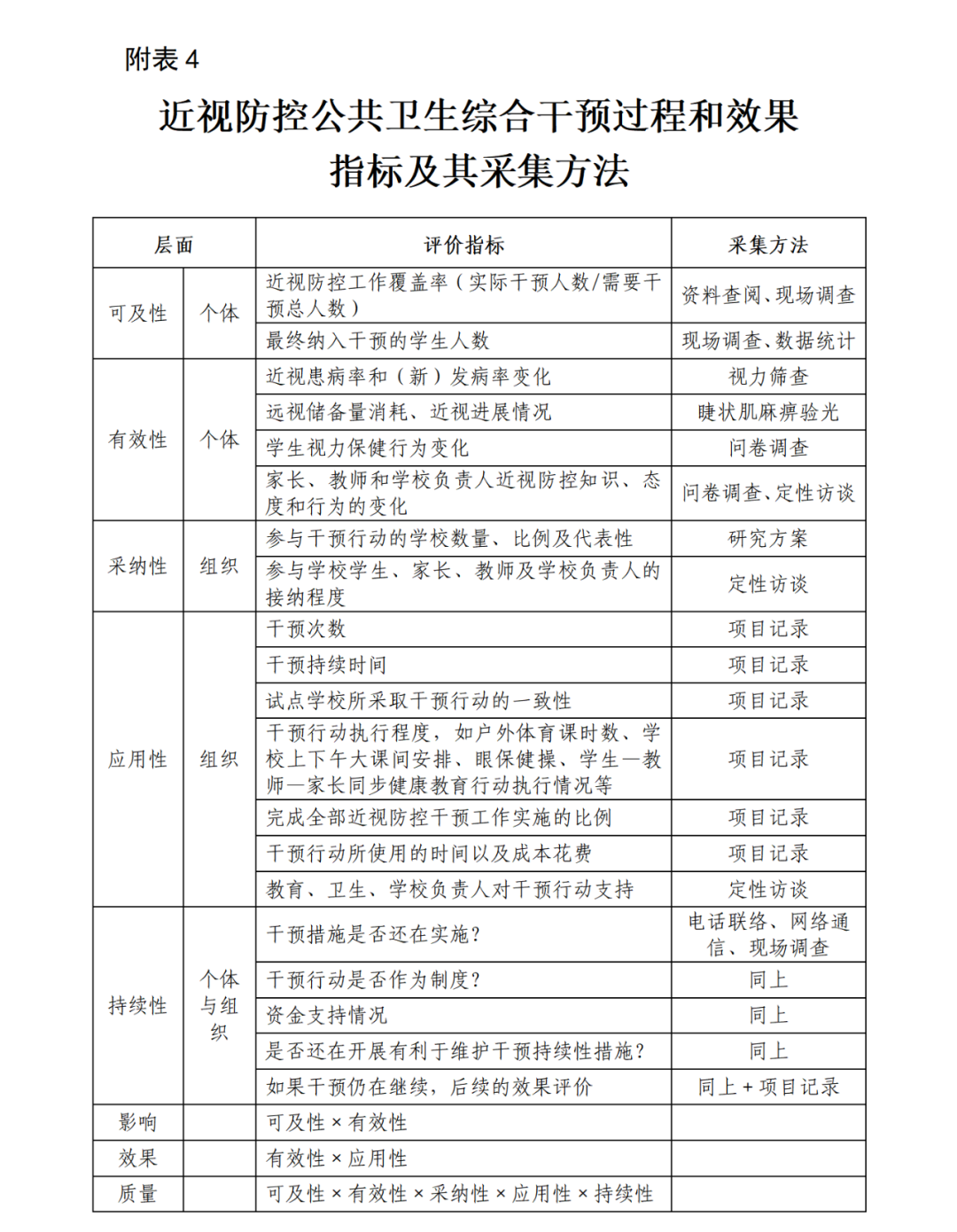
  2. Pay attention to process and effect evaluation. Disease control institutions at all levels should regularly carry out students’ vision monitoring, deeply analyze the monitoring data over the years, and report the main students’ health problems and suggestions found in the monitoring to the local government in time. Based on the practical research method, the transformation and application from theory to practice can promote the implementation and dissemination of intervention actions. Conduct process and effect evaluation, introduce the implementation research framework and theoretical model, such as the process and effect indicators of comprehensive public health intervention for myopia prevention and control and its collection method (Table 4), comprehensively evaluate the accessibility, effectiveness, applicability and sustainability of intervention actions from the individual level and organizational level, and systematically evaluate the implementation effect of comprehensive public health intervention for children and adolescents with myopia.


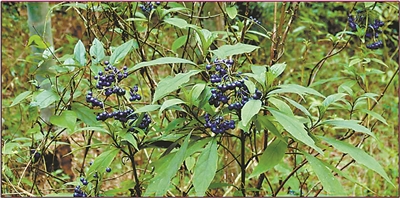
Don’t pick wild plants! Recognize these poisonous plants in the countryside quickly

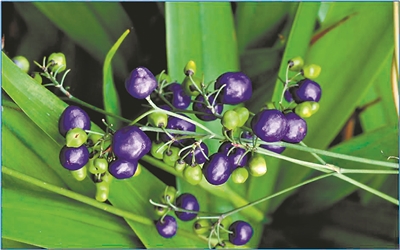
Yamakan

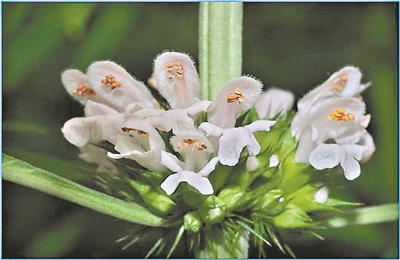
motherwort herb

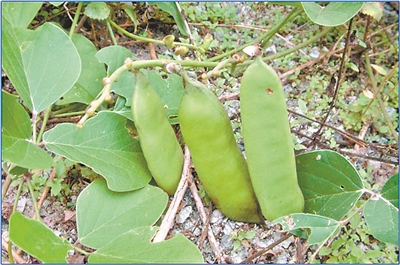
Sea knife bean

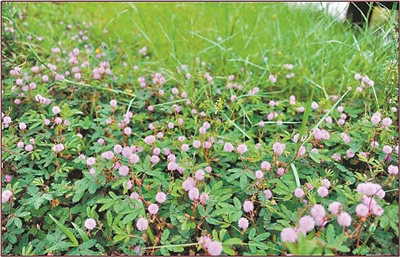
Mimosa pudica

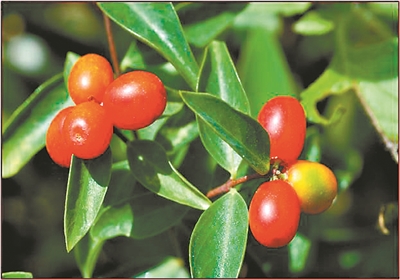
antipyretic dichroa

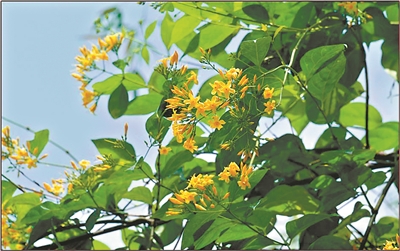
elegant jessamine

King Liao

Xu yechun

  The fruit is like lapis lazuli, beautiful and moving, but the whole plant is poisonous; Motherwort, a Chinese medicine with beautiful flowers, will have chest tightness and shock if eaten excessively; Aconitum, a commonly used Chinese medicine in clinic, contains aconitine which is highly toxic. Even the mimosa plants all over Shan Ye will suffer from diarrhea and vomiting if eaten by mistake … … Behind the beautiful and legendary wild plants, there are also many unknown dangers.

  Don’t pick wild plants.

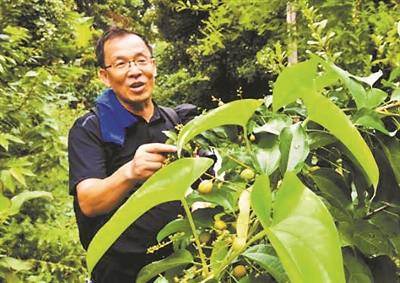
  Yesterday, Xu Yechun, director and researcher of the Characteristic Flowers Research Office of the Institute of Environmental Horticulture of Guangdong Academy of Agricultural Sciences, was interviewed by this reporter on the topic of wild poisonous plants. He pointed out that the countryside is close to the city, with good natural conditions and convenient public transportation, making it a good place for citizens to have fun and rest. When people watch natural scenery and wild flowers in the mountains, they often encounter some poisonous plants but don’t know them. They are taken back as edible plants to make soup and cook. For example, mistaking the poisonous plant Gelsemium for honeysuckle will cause poisoning and even death.

  It is worth mentioning that from January to June, 2019, there were 13 cases of poisoning caused by processing and eating aconite plants such as Aconitum kusnezoffii and Aconitum carmichaeli, with 62 cases of illness and 4 deaths.

  When you meet some common poisonous plants in the countryside, you should be more careful.

  A variety of medicinal plants can be fatal.

  Mountain Sugarcane, don’t be a mountain Sugarcane orchid. The flowering and fruiting period is from March to August. There is wild in Guangdong, and it is rare in parks and botanical gardens. Medicinal plants. The whole plant is poisonous, which can cause diarrhea and loss of appetite, and even death.

  Motherwort, alias Artemisia. The flowering period is from June to September, and the fruiting period is from September to October. Guangdong has wild plants, which are often cultivated in medicine gardens. Medicinal plants. The whole plant is slightly toxic, and if it is eaten excessively, it will cause weakness, chest tightness, soreness, shock and other symptoms, which may be hepatotoxic.

  Sea bean, alias shore bean. Flowering period is June-July. Guangdong coastal area is wild. Pods and seeds are recorded as edible, but poisonous. After poisoning, dizziness, vomiting and even coma occur. Boil and rinse before eating.

  Mimosa, another name for knowing shame. The flowering period is from March to October, and the fruiting period is from May to November. Common in the wild. Medicinal plants. The whole plant has small toxicity, mimosine, diarrhea and vomiting after eating by mistake.

  Changshan, alias Huang Changshan and Bai Changshan. The flowering period is from May to July, and the fruiting period is from August to October. Guangdong province is wild and cultivated in medicine gardens. Medicinal plants. It contains a variety of alkaloids, and its total alkali toxicity is high, and the poisoned people all take it too much as traditional Chinese medicine.

  Gelsemium elegans, also known as Dachayao and Herba Clerodendranthi. The flowering period is from May to November, and the fruiting period is from July to March of the following year. Guangdong is more common in the wild, and occasionally cultivated in medicine gardens. Medicinal plants. The whole plant is highly toxic, and the symptoms of poisoning are respiratory paralysis, and the lighter one has difficulty breathing, and the heavier one dies of respiratory arrest.

  The elder brother Wang, alias Nanling Chihuahua. Flower and fruit period, summer and autumn. Guangdong is wild. Medicinal plants. The whole plant is toxic, with mild symptoms of nausea, vomiting, abdominal distension and abdominal pain, and severe cases of dyspnea and hypovolemic shock. (Text, photo/Guangzhou Daily, all-media reporter Huang Danwei)

  Expert archives

  Xu Yechun, researcher. Engaged in flower culture, garden plant classification research, flower cultivation, demonstration and promotion and industrial development.

  He is currently the director of the characteristic flower research office of the Institute of Environmental Horticulture, Guangdong Academy of Agricultural Sciences, and concurrently the general manager of Guangdong Flower Magazine Co., Ltd. and the deputy editor of Flower Magazine.

Green water and green mountains bloom "beautiful economy" to add "fragrance" and "color" to rural revitalization

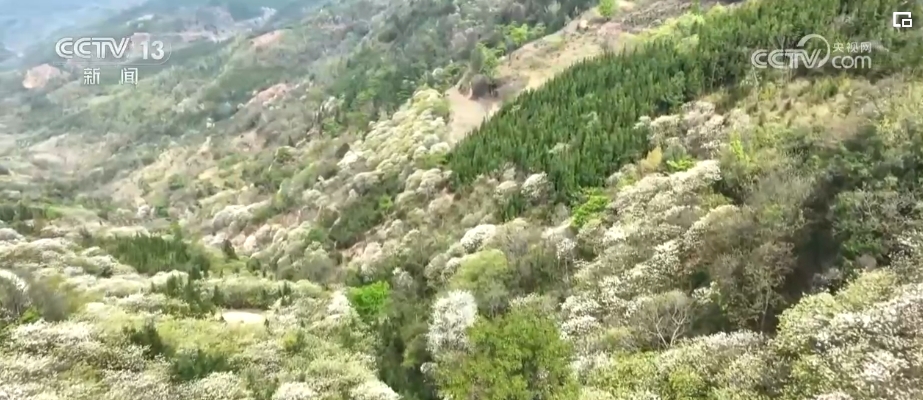
  CCTV News:Spring is getting warmer and warmer, and it is the season when flowers bloom. Zhejiang, Henan, Guizhou and other places have done enough articles on "flower viewing economy" to continue to help promote rural revitalization.

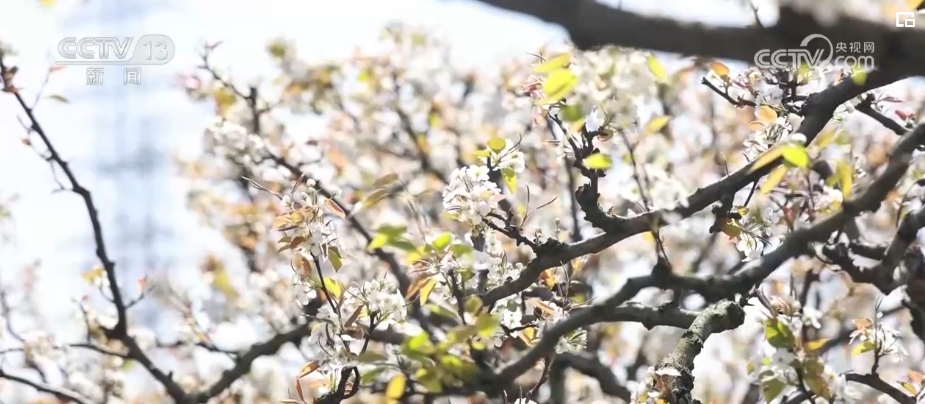
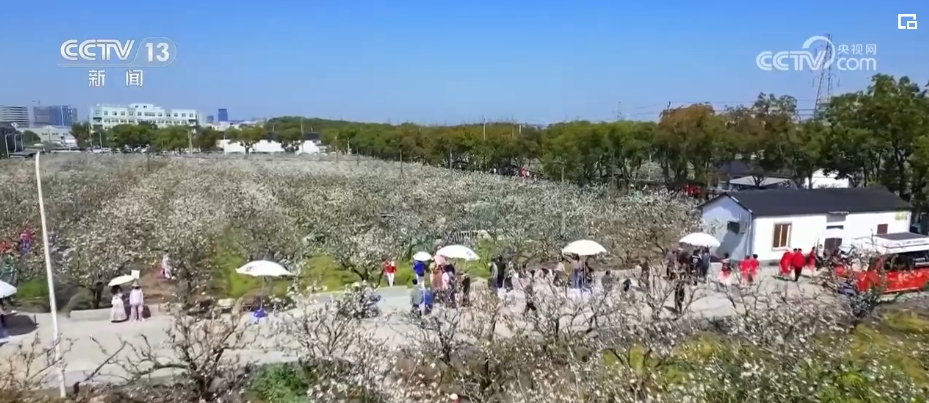
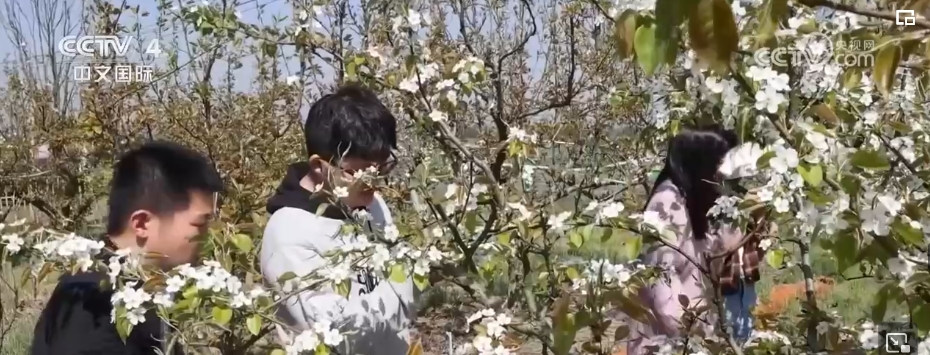
  In Guangming Village, Zhuangshi Street, zhenhai district City, Ningbo, Zhejiang Province, nearly 500 acres of pear blossoms are in full bloom. The local pear blossom festival is held based on the beautiful scenery of pear blossoms, and many tourists meet under the pear trees to feel the beauty of spring and the charm of the countryside.

  It is understood that the average annual income of pear trees here exceeds 20 thousand yuan per mu, which increases the income of the whole village by nearly 10 million yuan every year.

  "Flower viewing economy" activates cultural tourism consumption and plays new tricks

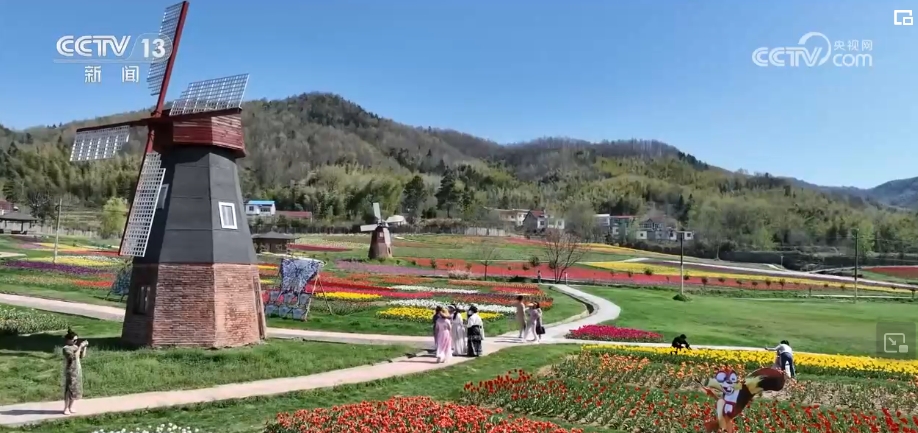
  In Gushi, Henan Province, nearly one million tulips bloom in the spring, one after another, and the spring flowers are in full bloom. Colorful tulips gather in the valley into a colorful sea of flowers, which is combined with the new appearance of the surrounding white-walled houses to form a poetic rural pastoral picture. "Flower viewing economy" has extended the new scene of rural tourism consumption and continuously enriched the tourist experience.

  30,000 cherry blossoms bloom "beautiful economy"

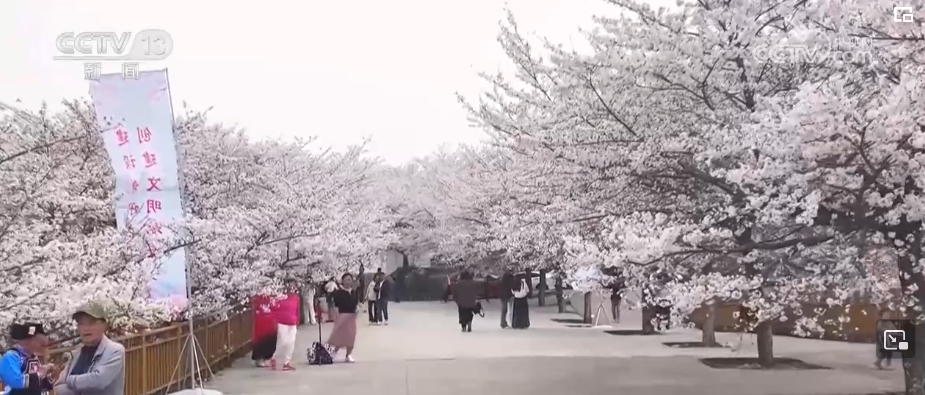
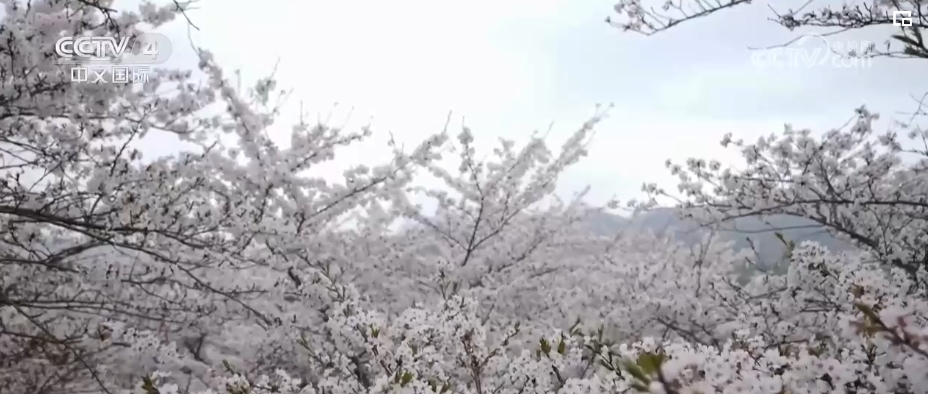
  Recently, Huangla Township, Xixiu District, Anshun City, Guizhou Province ushered in the cherry blossom season. As the spring breeze blows, 30,000 cherry blossoms seem to wake up overnight, and the picturesque scenery has attracted tens of thousands of tourists to enjoy the flowers. During the whole flower viewing season, local food areas and camping areas were set up, and enthusiastic local villagers also took out their own local products and set up stalls to start businesses, attracting many tourists to buy them.

  20,000 mu of tung oil flowers open up ecological beauty to help farmers increase their income.

  In the past few days, more than 20,000 mu of tung oil flowers in Zhetai Township, Guangnan County, Wenshan, Yunnan Province have entered full bloom. Tung trees are blooming, with clusters of branches, white petals and red flower hearts, which are pleasing to the eye.

  In recent years, Guangnan County has vigorously developed the tung oil industry, with an estimated annual output of 5,300 tons and an output value of more than 30 million yuan.

  It’s just the right time to enjoy the flowers in the spring

  Spring is strong, and it is time to enjoy the flowers. People are in nature and enjoy the beautiful scenery.

  Anshun, Guizhou: 30,000 cherry blossoms are woven into the "full bloom season"

  Xixiu District, Anshun City, Guizhou Province ushered in the annual cherry blossom season. 30,000 cherry blossoms were woven in pink and white for Shan Ye, attracting tens of thousands of tourists to enjoy the flowers.

  Anyi, Jiangxi: blowing open the petals of ten thousand pear trees

  In Anyi, Jiangxi, more than 3,000 acres of pear trees are blooming, and the mountains and plains are all white. Some branches grow fresh green leaves, which set off pear blossoms more touching.

  Changzhi, Shanxi: Spring is warm and flowers bloom, and tourists enjoy spring.

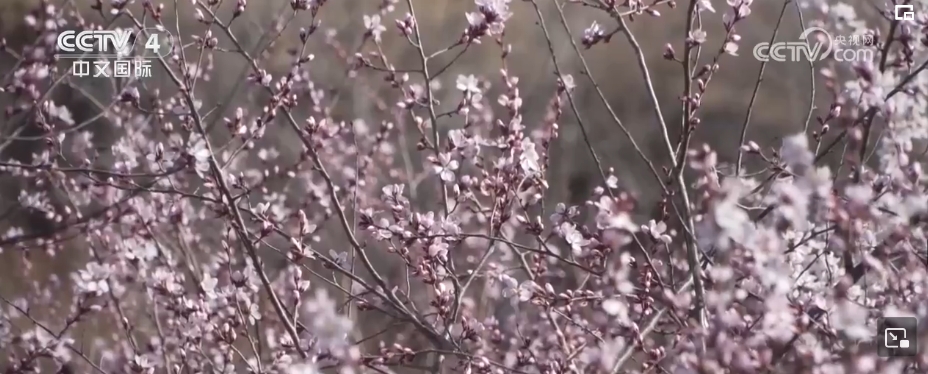
  The picture scroll of spring scenery in Pingshun County, Changzhi City, Shanxi Province is slowly unfolding, and flowers are blooming all over the mountains. Peach blossom, rape flower, cornus flower, forsythia flower and other flowers are blooming like a colorful picture scroll, attracting tourists to see their beauty and enjoy the spring.

  Wuhu, Anhui: Riding a 10,000-acre flower sea and enjoying the spring scenery in the countryside.

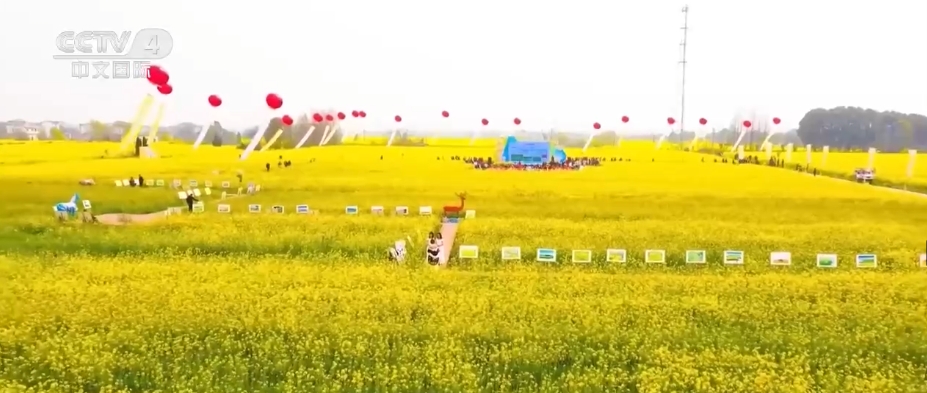
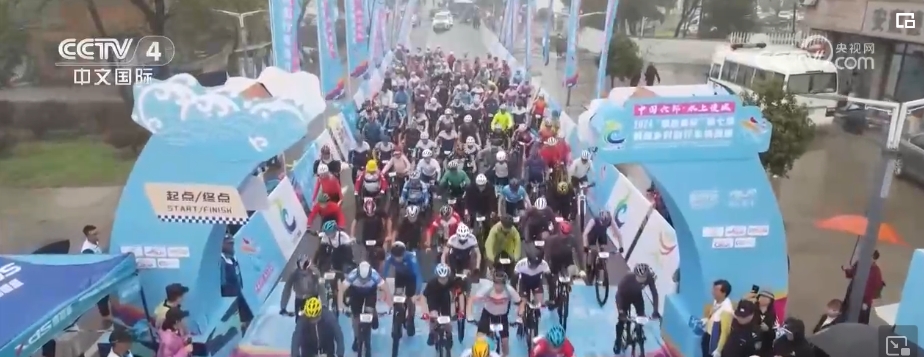
  In the spring of March, 10,000 mu of rape blossoms in Liulang Town, Wuhu, Anhui Province opened for the second time in the field. More than 500 cyclists "ride" in the sea of flowers, which can not only experience the "passion" brought by mountain bike racing, but also feel the pleasant rural beauty in the local area. There are also many small riders sliding on the track, which has become a vivid childlike scenery.

  Cattle Village in Chongqing: Rhododendrons in the mountains come to the countryside in spring.

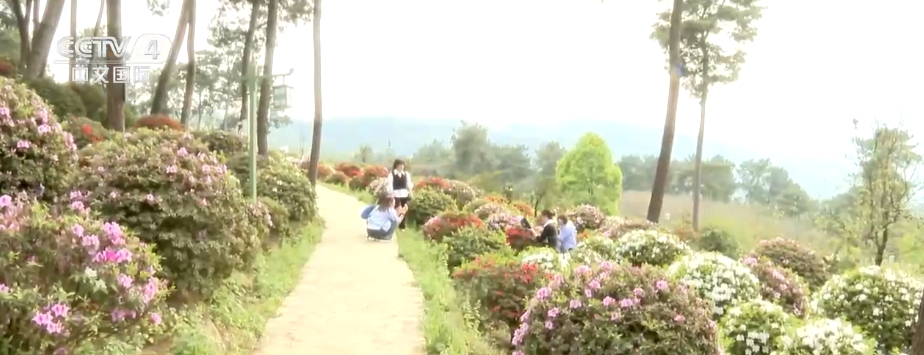
  In Niufang Village, chongqing nanshan, azaleas are blooming all over the mountains, and more than 20 varieties of azaleas, such as white butterfly, beautiful red and Luzhen, are covered with hills. Many citizens made a special trip to enjoy the flowers for a spring outing.

Interpretation of the new subsidy policy for new energy vehicles: the average slope is 50%, and the land compensation is cancelled and replaced by electricity.

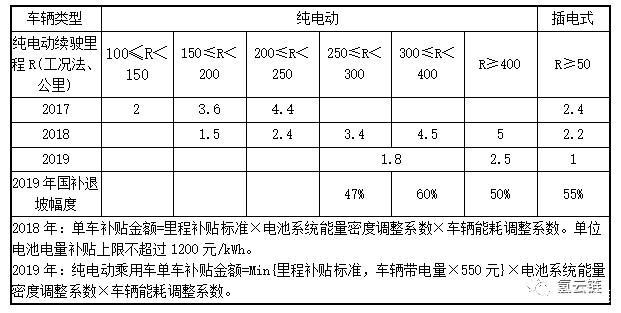
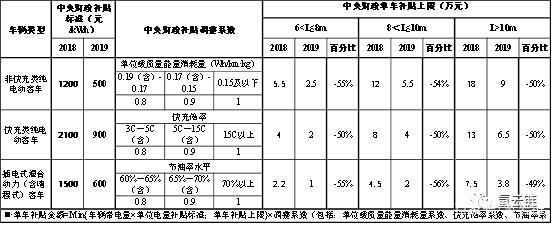
As expected in the market, the new energy subsidy policy was officially released in 2019. Different from the previous 20% rebate standard, the subsidy standard in 2019 will be reduced by 50% on average on the basis of 2018.

The introduction date of the subsidy scheme for new energy vehicles can be said to be later than one year. The 2017 plan was introduced on December 30, 2016, the 2018 plan was introduced on February 13, 2018, and the 2019 plan has reached March 26, 2019. "yet we called and urged a thousand times before she started toward us, still hiding half her face from us behind her guitar" is really appropriate to describe the new energy subsidy policy in 2019.

Since the wind of the sharp decline in subsidies for new energy vehicles in 2019 has been blowing for several times, different programs have been passed from the end of 2018 to March 2019, and the industry has long had psychological expectations for the programs launched by the central government. Although this plan is very strong, it is all expected, even better than expected.

This time highlights several key points:

Subsidized standard passenger cars fell by 47-60%, and plug-in passenger cars fell by 55%; New energy buses dropped by 49-56%, and new energy special vehicles dropped by 45-80%. Cancel land compensation and subsidize infrastructure such as charging piles/hydrogen refueling stations instead.

The overall adjustment is very strong, which has great cost pressure for enterprises. The product lines of some enterprises will be greatly adjusted, and Ferrous lithium phosphate may make a comeback due to its cost advantage.

Despite the cancellation of land compensation, the subsidy policy for new energy buses will be introduced separately, and the determination of urban electrification will not be reduced.

Since electric vehicles have met the market conditions, the focus of policy support has shifted to fuel cell vehicles. Fuel cell vehicle subsidies will be refined according to different technical standards, and fuel cell subsidy policies will be introduced separately.

In the book, the extended range is classified as pure electric, and some experts have also mentioned supporting extended range vehicles after plug-in development to a certain extent. However, in this subsidy policy, the extended program subsidy is still classified as plug-in, and the prospect is worrying.

The payment method of subsidies was adjusted, and the punishment mechanism for safety accidents was put forward.

The following is a detailed interpretation of several key points of this subsidy policy.

One,Central subsidy adjustment

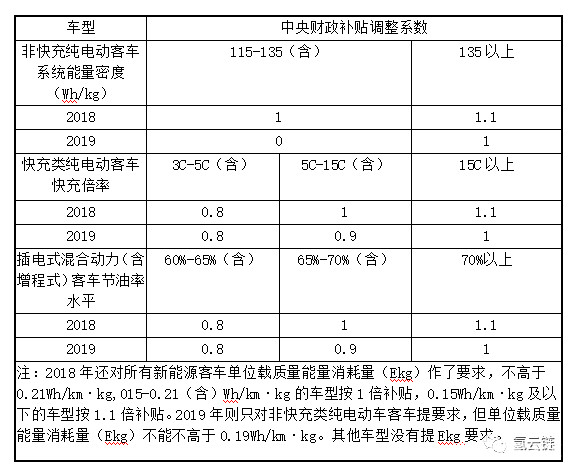
The maximum subsidy for all types of vehicles has decreased significantly, and the endurance and energy density have changed from "encouraging high endurance/high energy density" to "punishing low endurance/low energy density", and at the same time, the minimum energy density threshold has been raised.

(1) New energy passenger cars

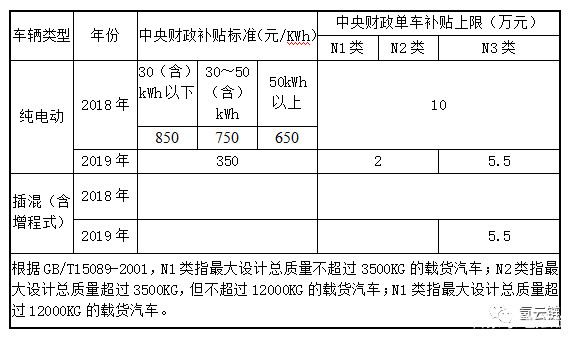
The subsidy for passenger cars has changed to two grades, with pure electric slope retreat of about 47%-60% and plug-in slope retreat of 55%.

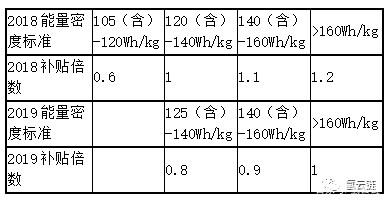
The threshold of energy density has increased from 105Wh/kg to 125Wh/kg, which requires continuous improvement, and the subsidy multiple has been lowered.

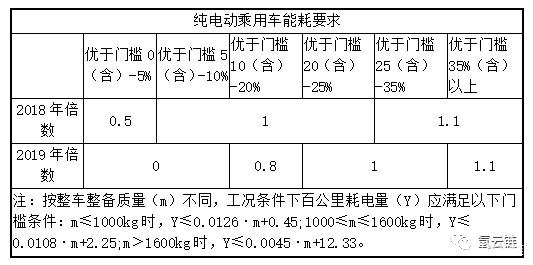
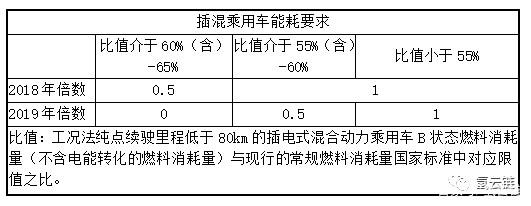
The minimum is raised from 150 kilometers to 250 kilometers, and the standard of energy consumption subsidy multiple is adjusted, which obviously improves the requirements for overall energy saving.

By canceling the subsidy below 250 kilometers, the subsidy multiple of low energy density will be reduced, and enterprises will be encouraged to produce cars with high energy density and high endurance. Combined with the industrial policy of low-speed electric vehicles, low-speed electric vehicles may be responsible for the shorter range below 250 kilometers, and it is difficult for A0 and A00 electric vehicles to compete with low-speed electric vehicles in cost.

Due to the decrease of subsidies and the increase of energy density in Ferrous lithium phosphate, the cost of Ferrous lithium phosphate shows certain advantages, and some enterprises may switch from Sanyuan to Ferrous lithium phosphate in low endurance vehicles.

Some enterprises with relatively backward technology or lack of industrial experience will be under great cost pressure, thus being forced to raise the price of automobile products, reducing the market competitiveness. At present, new car-making forces such as Tucki and others have raised the price of their products.

The leading enterprises have abundant funds and leading technical strength, and have full expectations for subsidies. They will continue to promote the development of vehicles with high cruising range, reduce costs by optimizing design and production, and continuously improve market competitiveness. Therefore, the impact on leading enterprises is not so great, and the mainstream A-class and above vehicles are less affected. The selling prices of Geometry A and Aions newly introduced by Guangzhou Automobile Co., Ltd. and Guangzhou Automobile Co., Ltd. did not reflect the obvious influence of subsidies, while Weimar and Guangzhou Automobile Co., Ltd. introduced the strategy of price protection.

The most important thing is to reduce the amount of subsidies, promote the marketization of new energy vehicles, eliminate the fittest for enterprises, and concentrate the automobile production capacity on advantageous areas and enterprises.

(2) New energy buses

The gradient is 49%-56%, and the minimum energy density is required to rise from 115Wh/kg to 135Wh/kg.

The energy efficiency and subsidy coefficient were adjusted, and the requirement was increased by 5 percentage points.

New energy buses may be rushed to install during the transition period.

(3) The new energy trucks have been adjusted in detail.

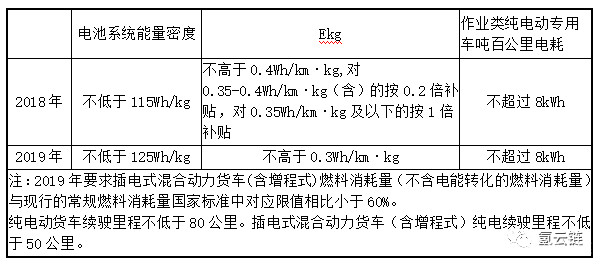
By simply subsidizing the battery capacity, the weight classification is increased. The maximum subsidy is reduced from 100,000 yuan according to different types, and the reduction range ranges from 45% to 80%.

At the same time, the minimum energy density is increased from 115Wh/kg to 125Wh/kg, and the subsidy coefficient is adjusted.

There are two points worthy of special attention in terms of new energy trucks.

1) The subsidy category of "special purpose vehicle" was cancelled, and the classification of total quality of freight cars was increased.

This means that the market develops from logistics vehicles to larger trucks, and even pure electric heavy trucks appear; The subsidy policy for new energy special vehicles was cancelled.

2) The subsidy category for trucks has been added.

Increase market choices, and trucks with a total mass of more than 12 tons can choose the technical direction of plug-in hybrid to adapt to more market changes.

Second, cancel local subsidies and promote fair market development

This is a continuation of the spirit conveyed in the Regulations on Investment Management of Automobile Industry and the Implementation Plan for Further Optimizing Supply, Promoting Steady Growth of Consumption and Forming a Strong Domestic Market (2019), breaking local protection, promoting market-oriented development and creating a level playing field.

At the same time, we will continue to improve the market consumption environment by subsidizing infrastructure construction, and support the development of new energy vehicles through indirect financial subsidies. However, hydrogen refueling station enterprises get development opportunities and can focus on related enterprises.

Despite the cancellation of land compensation, new energy buses will be introduced by a separate subsidy policy, showing the importance attached to urban electrification.

Third, fuel cell vehicles are listed separately, and the degree of attention is unprecedented

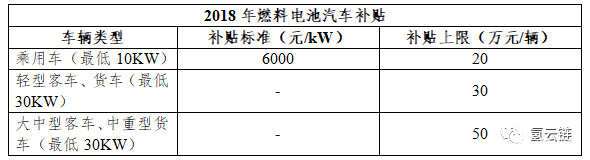
Fuel cell vehicles are in a critical period of technological development and market introduction. In the past, the subsidy policy for fuel cells was too simple, which only stipulated the minimum rated power and the minimum cruising range, which also led to the design of the subsidy line for automobile products in the announcement catalogue, all of which were 30KW.

The fuel cell subsidy policy was postponed, presumably in order to refine the subsidy policy and avoid the previous design of fuel cell vehicles under the pressure of subsidy line and the road of pursuing high energy density and ignoring safety like electric vehicles again.

Fourth,Extended-range electric cannot be classified as pure electric.

The extended subsidy policy is still classified as plug-in hybrid. The Investment Regulation of Automobile Industry classifies the investment projects of extended-range electric vehicles as pure electric vehicles, which is considered by many people in the industry as a signal of the rise of extended-range electric vehicles, because the advantages of extended-range electric vehicles can only be reflected when compared with pure electric vehicles, but the competitiveness is weak when compared with plug-in hybrid vehicles.

The subsidy policy for the extended range cannot be classified into pure electric vehicles, so the development prospect of the extended range is worrying, and the "ideal" of the extended range may be "cool".

Five,Emphasize supervision and safety.

Supervision is divided into two aspects: authenticity and security.

Authenticity is achieved by monitoring the operating mileage and adjusting the settlement method. Starting from 2019, for vehicles with operating mileage requirements, a part of subsidy funds will be paid in advance after the sales are registered, and the vehicle enterprises will apply for subsidy liquidation after meeting the operating mileage requirements. If the operation does not meet 20,000 kilometers within 2 years from the date of registration, no subsidy will be granted, and the pre-allocated funds will be deducted at the time of liquidation. This gives enterprises more abundant liquidity and more flexibility to cope with market changes.

Safety emphasizes the consistency of safety accident prevention and product production. The competent authorities of the industry will speed up the establishment of a normal mechanism for product safety monitoring and "consistency" sampling inspection. Suspension or cancellation of vehicles with major safety accidents caused by product quality or with major quality defects identified by relevant departments, and corresponding suspension or cancellation of financial subsidies.

Hydrogen Cloud Chain believes that with the rapid expansion of China’s new energy automobile industry, low-end enterprises that rely on subsidies to survive are doomed to be eliminated, and infants who are breastfeeding will eventually be "weaned". How to ensure quality is the key to "survival".

Announcement of the Standing Committee of the Fifth Jiuquan Municipal People’s Congress (No.5)

Standing Committee of the Fifth Jiuquan Municipal People’s Congress

Gonggao

(No.5)

The Regulations on the Promotion of Civilized Behavior in Jiuquan City was examined and adopted at the 20th meeting of the Standing Committee of the Fifth Jiuquan Municipal People’s Congress on May 23, 2024, and examined and approved at the 10th meeting of the Standing Committee of the 14th Gansu Provincial People’s Congress on July 26, 2024. It is hereby promulgated and shall come into force as of October 1, 2024.

Standing Committee of Jiuquan Municipal People’s Congress

August 12, 2024

Regulations of Jiuquan Municipality on Promoting Civilized Behavior

(adopted at the 20th meeting of the Standing Committee of the Fifth Jiuquan Municipal People’s Congress on May 23, 2024.

Approved at the 10th meeting of the Standing Committee of the 14th Gansu Provincial People’s Congress on July 26th, 2024)

Catalogue

Chapter I General Principles

Chapter II Civilized Code of Conduct

Chapter III Advocating and Encouraging

Chapter IV Supervision and Administration

Chapter V Legal Liability

Chapter VI Supplementary Provisions

Chapter I General Principles

Article 1 In order to cultivate and practice the socialist core values, advocate and promote civilized behavior, enhance citizens’ civilized quality and social civilization level, and speed up the construction of a happy and beautiful new Jiuquan, these Regulations are formulated in accordance with relevant laws and regulations and combined with the actual situation of this Municipality.

Article 2 These Regulations shall apply to the promotion of civilized behavior and related work within the administrative area of this Municipality.

Article 3 The term "civilized behavior" as mentioned in these Regulations refers to the behavior of observing the provisions of the Constitution, laws and regulations, practicing socialist core values, abiding by socialist morality, maintaining public order and good customs, leading social customs and promoting social civilization and progress.

Article 4 The promotion of civilized behavior shall adhere to the principles of unified leadership by Party committees, promotion by government organizations, respective responsibilities of departments and participation of the whole society, and form a long-term mechanism of joint construction, joint governance and sharing.

Fifth city and county (city, district) spiritual civilization construction guidance institutions are responsible for promoting the promotion of civilized behavior within their respective administrative areas.

City, county (city, district) people’s governments shall incorporate the promotion of civilized behavior into the national economic and social development plan, and the required funds shall be included in the fiscal budget at the corresponding level to coordinate with economic and social development.

City, county (city, district) relevant departments and units shall, in accordance with their respective responsibilities, strengthen cooperation and carry out the work of promoting civilized behavior.

Township (town) people’s governments and sub-district offices shall, in accordance with their respective responsibilities, do a good job in the publicity and implementation of civilized behavior.

Villagers’ committees and residents’ committees shall strengthen the propaganda and guidance of civilized behavior and assist in promoting civilized behavior in the region.

Article 6 The whole society should jointly promote the cultivation and practice of civilized behavior.

Social organizations, people’s organizations, enterprises and institutions shall play their respective functions and actively do a good job in publicizing and promoting civilized behavior.

News media should actively publicize civilized behavior, spread civilized ideas, supervise uncivilized behavior, and create a good atmosphere for the whole society to promote civilized behavior.

Citizens should actively support and participate in the promotion of civilized behavior, consciously resist uncivilized behavior, and report and complain about uncivilized behavior.

Civilized units, civilized families, state functionaries, moral models and public figures should play an exemplary role in promoting civilized behavior.

Chapter II Civilized Code of Conduct

Article 7 Citizens shall abide by the following norms:

(a) love the motherland, love the people, love their hometown, support the Communist Party of China (CPC), and safeguard national and social interests;

(2) Respecting, studying, observing, upholding and applying the Constitution;

(3) Consciously practice the socialist core values, vigorously carry forward the spirit of the times, national spirit, manned space spirit, iron man spirit and Mogao spirit, and tell the story of Jiuquan well;

(four) consciously abide by laws, regulations, civic ethics, industry norms, codes of conduct and other civilized codes of conduct;

(5) Respect the customs and habits of ethnic minorities and maintain socialist ethnic relations of equality, unity, mutual assistance and harmony.

Article 8 Citizens shall maintain public order and consciously abide by the following norms:

(a) civilized use of public facilities, not occupation, damage or improper use;

(2) Dress appropriately in public places, behave in a civilized manner, do not smoke, make loud noises, drink or make trouble, and keep silent when using electronic equipment or control the external volume;

(three) to carry out entertainment and fitness, commercial publicity, webcasting and other activities, the venues and facilities should be used reasonably, and the use of audio equipment will not affect the normal life of others, and fitness activities that hinder the safety of others will not be carried out in crowded areas;

(four) to participate in the assembly and watch cultural performances, sports competitions and various exhibitions, to obey the on-site management, and not to affect others and public order;

(five) to fulfill the responsibility of guardianship, to avoid the ward in public places to influence others;

(six) when taking the elevator, buying goods, waiting for service, consciously queuing, not jumping the queue first;

(seven) during construction work, strengthen on-site management and control operation time to prevent dust and noise from disturbing people;

(eight) in the event of an emergency, obey the on-site command, actively cooperate with various emergency measures, and do not gather, watch, boo or maliciously spread online videos and photos;

(nine) prohibit throwing objects at high altitude to prevent falling objects;

(ten) other provisions of laws and regulations.

Article 9 Citizens should take good care of public sanitation and consciously abide by the following norms:

(a) to maintain public places clean and tidy, no spitting, chewing gum, urinating, no littering, cigarette butts, packaging and other waste, civilized toilet;

(two) classification of garbage, garbage, sewage;

(three) not in the forbidden area of open-air barbecue;

(four) to carry out outdoor activities, consciously clean up the waste, not to pollute the environment;

(five) to maintain the cleanliness of public facilities, and not to scribble, depict, paste or spray at will;

(six) take care of flowers, trees and greening facilities, do not pick flowers and fruits, climb trees, damage the green space;

(seven) fireworks are not set off in prohibited areas or during prohibited periods;

(eight) civilized and green sacrifices, do not throw and burn funeral objects at will;

(nine) cover your nose and mouth when coughing or sneezing in public places, and wear masks when patients with respiratory infectious diseases go out;

(ten) other provisions of laws and regulations.

State organs, social organizations, enterprises, institutions and individual operators are responsible for environmental sanitation within their jurisdiction.

Tenth citizens should travel in a civilized way and consciously abide by the following norms:

(a) should take the sidewalk, in accordance with the traffic signal instructions, do not arbitrarily cross the road, across the road isolation facilities, in case of motor vehicle courtesy, under the premise of ensuring safety;

(two) when taking public transport, orderly up and down, take the initiative to give up seats for the old, young, sick, disabled and pregnant passengers, and do not forcibly occupy seats;

(3) driving a non-motor vehicle according to the traffic signal, driving in the non-motor vehicle lane or on the right side of the roadway, not driving on the sidewalk, not driving in the opposite direction, crossing the road or chasing racing;

(4) Driving motor vehicles and non-motor vehicles to give way to pedestrians, using lights and horns in a standardized way, passing through dusty and stagnant sections at low speed, not throwing articles outside the vehicle, and not having any behavior that hinders safe driving;

(5) Driving motor vehicles and non-motor vehicles to take the initiative to avoid emergency vehicles such as fire engines, ambulances, engineering rescue vehicles, police cars, etc., and it is forbidden to illegally occupy emergency lanes;

(six) buses, taxis, network car, etc. to standardize the service, civilized hospitality, keep the vehicle clean and tidy; Do not rob passengers, refuse to carry passengers, stop and get on and off passengers in an orderly manner;

(seven) vehicle parking is standardized and orderly, subject to management, and does not occupy sidewalks, blind roads, fire exits, etc.;

(eight) no damage, abandonment and unauthorized occupation of bike-sharing and other means of transportation;

(9) Other provisions of laws and regulations.

Eleventh citizens should travel in a civilized way and consciously abide by the following norms:

(1) Abide by the regulations on tourism management and respect local historical and cultural traditions and customs;

(two) abide by the order of scenic spots, obey the guidance and management, and shall not endanger the safety of others and their own personal property;

(three) abide by the norms of visiting etiquette, take good care of the memorial facilities for heroes and martyrs, and shall not damage the environment and atmosphere of commemorating heroes and martyrs;

(four) abide by the rules and regulations of tourist attractions, consciously resist uncivilized tourism behavior, and do not destroy or damage public facilities, tourism resources and cultural relics;

(5) Other provisions of laws and regulations.

Tourism professionals should carry out civilized notification, civilized reminder and persuasion in the process of tourist reception, and do not arbitrarily change the tour itinerary or increase self-funded items without authorization, and do not mislead, deceive or force tourists to spend.

Twelfth citizens should maintain community civilization and consciously abide by the following norms:

(1) Neighbors live in harmony, unite and help each other, handle conflicts and disputes in a legal, orderly and civilized manner, and actively participate in community volunteer service and public welfare activities;

(2) Rational use of shared areas, not stacking or hanging articles that affect others’ lives and endanger others’ personal and property safety outside balconies, windows, roofs, platforms, corridors, corridors and basement passages of buildings, and not occupying green spaces, open spaces and spaces without permission;

(3) Park vehicles in a standardized and orderly manner, and do not seize other people’s parking spaces or set up piles and locks without authorization; Do not park or charge electric vehicles in public areas such as shared passages, stairwells and safety exits in buildings;

(four) to avoid disturbing the normal life of others when carrying out decoration, installation and maintenance operations or entertainment, fitness and other activities;

(five) keep the indoor courtyard, the front and back of the house clean and tidy, keep poultry and livestock in captivity according to the regulations, keep the breeding area clean, and do not affect the surrounding living environment;

(six) not on the highway threshing, drying grain, piling up debris;

(seven) other provisions of laws and regulations.

Thirteenth citizens should cultivate moral character with good family style and consciously abide by the following norms:

(a) respect for the elderly and love for the young, filial piety and love for the parents, and inherit the good family style and family education;

(2) Family members respect and love each other, treat each other as equals, live diligently and live in harmony;

(3) Husband and wife are harmonious, loyal and friendly, and domestic violence is prohibited;

(four) to fulfill the responsibility of guardianship, pay attention to words and deeds, educate minors with healthy thoughts, conduct and appropriate methods, and pay attention to the privacy and personal information protection of minors.

Fourteenth citizens should be honest and trustworthy, and consciously abide by the following norms:

(a) follow the principle of good faith, abide by the agreement, and consciously fulfill their obligations;

(two) adhering to the word, pay attention to credit, and consciously practice the promise;

(three) the exercise of rights in good faith, no fraud, respect for the interests of others and social interests.

Fifteenth citizens should seek medical treatment in a civilized way, abide by the order of medical treatment and the relevant rules and regulations of medical places, and respect and obey the guidance and management of medical staff; Handle medical disputes through legal channels, do not gather people in medical places to make trouble, and do not endanger the personal safety and legitimate rights and interests of medical staff.

Medical workers should abide by professional standards, care for and care for patients, respect patients’ right to informed consent, protect patients’ privacy and safeguard their legitimate rights and interests.

Article 16 Citizens should consciously safeguard the campus environment and take good care of education and teaching facilities, and do not insult, abuse, threaten or beat teachers and other educators in any way, and do not gather people inside and outside the campus to make trouble in any way, thus disrupting the order of education and teaching.

Schools should strengthen the construction of civilized campus and teachers’ morality and style, prevent school bullying and bullying, and ensure students’ physical and mental health and safety.

Educators should abide by professional standards, care for students, treat students equally, and do not discriminate, insult, corporal punishment or corporal punishment in disguised form.

Seventeenth citizens should take the initiative to participate in the construction of network civilization, and consciously abide by the following norms:

(a) adhere to the civilized network, civilized use of the Internet, civilized access to the Internet, civilized development of the Internet, do not use the Internet and related information technology to infringe on national interests, social public interests and the legitimate rights and interests of others, and do not disclose the privacy and information of others without authorization;

(two) consciously resist the Internet worship, show off wealth, dress up as ugly, curiosity and other bad habits, and actively report illegal and bad information on the Internet;

(3) Develop a scientific and civilized habit of surfing the Internet, consciously resist uncivilized behaviors on the Internet, interact with each other in a civilized way and express rationally, and do not produce, copy, publish or disseminate false and harmful information such as pornography, vulgarity and online rumors.

The founders and managers of Internet groups and platforms shall fulfill their management responsibilities, strengthen network management and governance, and standardize network behaviors such as information release. Internet service business premises shall not accept minors.

Eighteenth citizens should keep pets in a civilized way and consciously abide by the following norms:

(a) do not keep pets in public corridors, roofs, green spaces, basements and other public areas;

(two) when taking the dog out of the house, lead it with a leash, wear an anti-bite cover, take the initiative to avoid others, and do not enter the dog-forbidden area;

(three) do a good job in pet vaccination, disease prevention and other work;

(four) timely clean up the feces excreted by pets in public areas;

(five) do not abandon or abuse pets, scientifically accept and dispose of abandoned and stray pets according to law, and do not discard pet carcasses at will;

(6) Other provisions of laws and regulations.

Nineteenth window service industries and units should formulate professional ethics and quality service standards, and establish a civilized image of the window; Formulate and publicize the civilized behavior norms of this industry, and set up civilized publicity billboards such as preferential treatment, smoking ban and noise control; Set up service outlets and service windows reasonably, optimize work procedures, promote online booking and online handling, and provide convenient, efficient, civilized and polite services.

The management unit of public places shall, in accordance with the relevant provisions, be equipped with convenient facilities such as love seats, wheelchairs, maternal and child rooms, first aid equipment, etc., set up barrier-free access and volunteer service posts, keep the environment clean and tidy, maintain good order, carry out civilized propaganda, strengthen inspection management, and guide and standardize civilized behavior.

Airports, stations, etc. should standardize the setting of ticket purchasing areas, waiting areas, access roads, set up eye-catching guiding signs, and keep the environment clean and tidy; Strengthen the guidance and management of passengers’ ticket purchase, waiting, entering and leaving the station, and maintain normal order.

Operators or managers of scenic spots in tourist attractions should improve tourist facilities and equipment, and set signs such as tour guidance, service standards and matters needing attention scientifically, reasonably and standardly; Strengthen inspection management, do a good job in passenger flow control, maintain normal tourism order, discourage and stop uncivilized behavior of tourists in time, and ensure the safe and orderly visit of tourists.

Shared vehicles operating units should put vehicles into operation scientifically and reasonably, strengthen vehicle parking management, and timely repair and clean up damaged and abandoned vehicles.

Chapter III Advocating and Encouraging

Article 20 Advocate and encourage the whole society to carry forward the traditional virtues of the Chinese nation, carry out the dissemination and popularization activities of Chinese excellent traditional culture, red culture and advanced socialist culture, and enhance the civilized quality of citizens.

Twenty-first advocate and encourage the following social mutual assistance behavior:

(a) care for special groups, and actively participate in charitable activities such as helping the weak, helping the poor, helping students, helping the disabled and saving orphans;

(two) to encourage individuals to donate blood for free and voluntarily donate hematopoietic stem cells, human tissues and organs according to law.

Twenty-second advocate and encourage the following civilized and healthy lifestyles:

(a) low-carbon life, saving water, electricity, gas, heating and other resources, reducing the use of disposable items and plastic shopping bags;

(2) rational consumption, no comparison, no extravagance and waste;

(3) Saving food, civilized dining, reasonable catering, proper ordering, promoting small meals, using public chopsticks and spoons, and practicing "CD Action";

(four) civilized drinking, not forced to persuade;

(five) green travel, giving priority to walking, cycling or taking public transport;

(six) consciously resist the high bride price, civilized and frugal arrangements for weddings, funerals and other matters;

(7) Other civilized and healthy lifestyles.

Twenty-third advocate and encourage reading for all. Promote the construction of county (city, district) libraries, township (street) comprehensive cultural stations and farmer’s (community) bookstores, create public cultural spaces such as urban study rooms, cultural post stations, cultural auditoriums and cultural squares, and form a comprehensive and convenient network of public cultural facilities. Fully protect the cultural rights and interests of special groups such as minors, the elderly and the disabled, and promote the integration of public cultural services into the daily lives of urban and rural residents.

Twenty-fourth advocate and encourage units and individuals to carry forward the fine tradition of supporting the army and being superior to their families, respect heroic martyrs, and respect and care for soldiers and their families.

Twenty-fifth to encourage courageous people, to protect the courageous people according to law.

Twenty-sixth advocate and encourage units and individuals to actively participate in and carry out activities and volunteer services for the creation of civilized cities, civilized units, civilized villages and towns, civilized campuses and civilized families.

Chapter IV Supervision and Administration

Twenty-seventh spiritual civilization construction guidance institutions in the selection and commendation activities of advanced models of spiritual civilization construction should take the performance of civilized behavior as the selection and recommendation conditions.

The guidance institution for spiritual civilization construction shall, in accordance with the relevant provisions, evaluate the civilization degree index for the promotion of civilized behavior.

Twenty-eighth relevant administrative departments shall perform their supervisory duties:

(a) the competent department of network security and informatization should promote the construction of network civilization, improve the supervision and management mechanism of Internet information, and strengthen the monitoring, early warning and governance of uncivilized behavior on the network;

(two) the competent department of data shall establish and improve the mechanism of encouraging trustworthiness and punishing dishonesty, and standardize the collection, storage and use of credit information;

(three) the public security organs should strengthen the education of the rule of law and moral education in the process of cracking down on illegal crimes according to law, carrying out traffic management, public security prevention and resolving contradictions and disputes, and maintaining social harmony and stability;

(four) the competent department of transportation shall strengthen the supervision and management of public transport operators such as buses and taxis, and urge them to carry out professional ethics education for practitioners to improve the level of civilized service;

(5) Civil affairs departments should strengthen the management of social organizations, give full play to the role of social organizations in promoting civilized behavior, strengthen education and guidance, and promote the reform of marriage customs and funeral;

(six) the education department should promote the construction of civilized campus, urge schools and other educational institutions to abide by the norms of civilized behavior on campus, and incorporate civilized behavior into the evaluation of students’ comprehensive quality;

(seven) the competent departments of commerce, culture, sports, radio and television, tourism, health and health shall incorporate civilized service into the service category of the industry, supervise and guide the relevant units to formulate civilized service standards with industry characteristics, and carry out civilized service appraisal activities;

(eight) the market supervision department should strengthen the supervision of the market operation order, stop false propaganda, price fraud, food waste and other acts, and strive to create a standardized and orderly, fair competition, honest and trustworthy, rational consumption market environment;

(nine) urban management departments should actively explore the way of digital city management, strengthen law enforcement, and improve the civilized quality of citizens;

Ecological environment, housing and urban and rural construction, water affairs, agriculture and rural areas, forestry and grassland, cultural relics and other departments shall, in accordance with their respective responsibilities, do a good job in promoting civilized behavior.

Twenty-ninth city and county (city, district) spiritual civilization construction guidance institutions shall establish a civilized behavior record system, and record the information of civilized behavior such as courageous, voluntary service, charity and public welfare.

The relevant departments of the people’s governments of cities and counties (cities, districts) shall establish a system for reporting, complaining and investigating uncivilized behaviors, set up telephone numbers and mailboxes for reporting complaints, promptly accept, investigate and expose uncivilized behaviors, and keep confidential the identity information of informants and complainants.

The functional departments responsible for promoting civilized behavior should improve the inspection and supervision, education and guidance, reward and punishment mechanisms.

Chapter V Legal Liability

Thirtieth in violation of the provisions of this Ordinance, should be given administrative punishment according to law, by the relevant administrative law enforcement departments in accordance with the provisions of relevant laws and regulations, shall be punished.

Article 31 If state organs and their staff abuse their powers, engage in malpractices for selfish ends or neglect their duties in promoting civilized behavior, the directly responsible person in charge and the directly responsible personnel shall be punished according to law.

Chapter VI Supplementary Provisions

Article 32 These Regulations shall come into force as of October 1, 2024.

Wonderful in the past

Original title: Announcement of the Standing Committee of the Fifth Jiuquan Municipal People’s Congress (No.5)

Read the original text
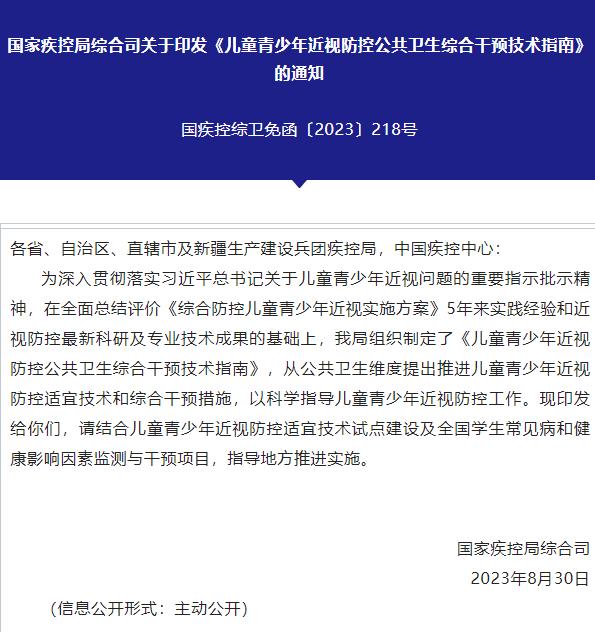
Notice of the General Office of Beijing Municipal People’s Government on Printing and Distributing the Implementation Opinions on Further Promoting Planning Environmental Impact Assessment

No.30 [2011] of Beijing Zhengban Fa

The people’s governments of the districts and counties, the commissions, offices and bureaus of the municipal government, and the municipal institutions:

  "Implementation Opinions on Further Promoting Planning Environmental Impact Assessment" has been approved by the municipal government and is hereby issued to you, please implement it carefully.

  May 31, 2011  

Implementation Opinions on Further Promoting Planning Environmental Impact Assessment

  In order to thoroughly implement Scientific Outlook on Development, comprehensively promote planning environmental impact assessment (hereinafter referred to as planning environmental impact assessment) in accordance with the law, prevent environmental pollution and ecological damage from the source, and promote comprehensive, coordinated and sustainable development of economy, society and environment, according to the relevant provisions of the Environmental Impact Assessment Law of the People’s Republic of China and the Regulations on Planning Environmental Impact Assessment (the State Council Order No.59, hereinafter referred to as the Regulations), combined with the actual situation of this Municipality, we hereby put forward the following opinions on further promoting planning environmental impact assessment.

  First, fully understand the significance of carrying out planning environmental assessment.

  Planning EIA is a method and system to analyze, predict and evaluate the possible environmental impact after planning implementation, put forward countermeasures to prevent or mitigate adverse environmental impact, and conduct follow-up evaluation in the process of planning preparation and approval. Compared with the construction project EIA, the planning EIA pays more attention to the cumulative environmental impact, regional and indirect joint environmental impact, and emphasizes the development requirements of environmental management from micro to macro, from end to source, and from point source to region. The implementation of planning environmental assessment is of great significance for preventing environmental problems caused by unreasonable distribution of productive forces and resource allocation from the source and ensuring the coordination between economic and social development and environmental resources. All regions and departments should attach great importance to the importance and necessity of planning environmental assessment, fully understand its legal status in the process of planning, strengthen organization and coordination, improve mechanisms, standardize procedures and make solid progress.

  Second, the scope of planning EIA

  In accordance with the requirements of the Regulations, combined with the actual situation of this Municipality, the focus of the planning EIA is "one place, two areas and ten special projects", that is, the relevant planning of land use and the construction, development and utilization planning of regions and river basins (hereinafter referred to as comprehensive planning) organized by relevant municipal departments, district and county governments and their relevant departments, as well as industry, agriculture, animal husbandry, forestry, energy, water conservancy, transportation, urban construction, tourism and nature. Among them, comprehensive planning must prepare an environmental impact chapter or explanation, and special planning must prepare an environmental impact report.

  The specific scope of planning that requires environmental impact assessment shall be implemented in accordance with the Notice on Printing and Distributing the Specific Scope of Planning for Preparing Environmental Impact Report (for Trial Implementation) and the Specific Scope of Planning for Preparing Environmental Impact Chapters or Explanations (for Trial Implementation) (No.98 [2004] of Environment and Development).

  Three, conscientiously fulfill the planning EIA approval and review procedures.

  In accordance with the requirements of the "Regulations", the comprehensive planning approved by the municipal government and its relevant departments, before the draft plan is submitted for approval, the planning department shall send the environmental impact chapter or explanation together with the draft plan to the municipal environmental protection department for comments; Comprehensive planning approved by the district and county governments and their relevant departments shall, before the draft planning is submitted for approval, send the environmental impact chapter or explanation together with the draft planning to the district and county environmental protection departments for comments.

  Special planning approved by the municipal government and its relevant departments, before the draft plan is submitted for approval, the planning department shall send the environmental impact report together with the draft plan to the municipal environmental protection department, which will convene relevant departments and experts to demonstrate the environmental impact report and put forward review opinions; For the special planning approved by the county government and its relevant departments, before the draft planning is submitted for approval, the planning department shall send the environmental impact report together with the draft planning to the county environmental protection department, which will convene relevant departments and experts to demonstrate the environmental impact report and put forward review opinions.

  The planning examination and approval department shall require the comprehensive planning draft that fails to prepare the environmental impact chapter or explanation in accordance with the provisions, and the special planning draft that fails to prepare the environmental impact report in accordance with the provisions and is reviewed by the review team; If it is not supplemented, the planning examination and approval department will not approve it. Major adjustments or revisions are made to the approved plan in terms of scope of implementation, applicable period, scale, structure and layout, etc., and the planning department shall re-or supplement the environmental impact assessment.

  When examining and approving the draft special plan, the planning examination and approval department shall take the conclusions of the environmental impact report and the review opinions as an important basis for decision-making. If the conclusions of the environmental impact report and the review opinions are not adopted, it shall explain the reasons in writing item by item and file them for future reference. At the same time, notify the competent department of environmental protection that originally organized the review of the environmental impact report of planning.

  Four, a clear responsibility for the preparation and implementation of planning EIA.

  The relevant departments that undertake the planning task are responsible for the preparation and implementation of planning EIA. In order to ensure the implementation of major projects in this Municipality as soon as possible and improve the efficiency of examination and approval, all regions and departments must organize the early preparation of environmental impact chapters or entrust qualified technical institutions to prepare environmental impact reports according to law, and organize the implementation of relevant contents in planning EIA.

  The expenses required to carry out planning environmental assessment shall be included in the financial budget in accordance with the provisions of budget management, and the expenditure management shall be strictly controlled and subject to audit supervision.

  Five, strengthen the organization and coordination of planning environmental assessment

  All localities and departments should earnestly strengthen the organization, leadership, supervision and management of planning environmental assessment. Planning examination and approval authorities, planning EIA review authorities and planning preparation authorities should clarify their responsibilities, carry out their work according to laws and regulations, and ensure the coordinated progress of planning EIA and planning preparation. The relevant departments of cities, districts and counties should summarize the preparation or revision of their annual plans and planning EIA before the end of the first quarter of each year, and notify the competent department of environmental protection at the same level to determine the planning and EIA forms that need to be carried out according to law as soon as possible. The competent department of environmental protection should track the implementation progress of planning EIA in a timely manner, strengthen communication with relevant departments, and coordinate and solve the problems in the preparation of planning EIA.

  Six, strengthen the supervision and inspection of planning environmental impact assessment.

  The competent department of environmental protection shall, when examining and approving the environmental impact assessment documents of construction projects included in the planning, take the conclusion of the planning EIA as an important basis for review, and deal with the construction projects included in the planning that have not been carried out, failed to pass the review of the planning EIA, and undergone major adjustments without re-supplementing the environmental impact assessment in accordance with relevant regulations. The relevant departments of the city will timely organize supervision and inspection on the work of planning environmental assessment, notify the planning department and planning examination and approval department that do not implement the relevant provisions of the state and this Municipality, and hold the relevant responsible persons accountable.

Supreme law: strictly implement the requirement of closing the case within the trial limit and put an end to not accepting the case at the end of the year

  Judicial trial data is the most intuitive reflection of the trial work, and the Supreme Court emphasized in advance that courts at all levels should "resolutely put an end to not accepting cases at the end of the year".

  On October 17th, the Supreme People’s Court held a consultation on data analysis and judgment of judicial trials in the first three quarters of 2023. Zhang Jun, president of the Supreme Court, said that the quality, efficiency and effectiveness of trials in the first three quarters of the country have steadily increased, and it is necessary to strictly implement the requirements of the settlement rate within the trial limit, and no longer use the annual settlement ratio and settlement rate indicators, and resolutely put an end to not accepting cases at the end of the year.

  At the chamber of commerce, the leaders of the Supreme Court and the heads of various business chambers spoke line by line in combination with detailed data reports, problems reflected in case trials and problems found in field research, and put forward opinions and suggestions on strengthening and improving the work.

  "Since the two sessions this year, we have conducted three data meetings, and the analysis and judgment have become more and more in-depth and accurate, and a fixed mechanism has been formed. In view of the problems found in the data consultation, each business office deeply analyzes the reasons and studies the improvement measures in combination with the actual work, and has done a lot of extra-case ‘ Grasp the front end and cure the disease before it happens ’ The work of grasping the quality and efficiency of trials has achieved remarkable results. " Zhang Jun pointed out that it is necessary to give full play to the role of data consultation, and promote the modernization of judicial work with scientific research and judgment of judicial trial data.

  Combined with the problems reflected in the data and work measures, Zhang Jun put forward three requirements:

  First, the Supreme Law should grasp the top priority of judicial trial, pay close attention to studying, improving and perfecting work measures in view of the fact that its own trial execution is not in place, and ensure the successful completion of the trial task throughout the year. For the problem of "debt owed" in the trial work of local courts reflected by the data, it is necessary to urge and guide to seize the time to fill in the shortcomings, while ensuring high quality and efficiency, and preventing "radish from washing the mud".

  Second, make full use of the results of the consultation, and seriously sum up and popularize the experience of the courts that rank in the top five in terms of data indicators, especially those whose work has improved significantly since this year. For the court whose work is obviously lagging behind, it is necessary to earnestly supervise and guide, and conduct pressure at all levels. The leaders in charge of the hospital and the main responsible comrades of the business department should lead a team to conduct on-the-spot investigation, find out the root cause of the problem and clarify the improvement measures. It is necessary to strictly implement the requirements of the settlement rate within the trial limit, and no longer use the annual settlement ratio and settlement rate indicators. Through scientific trial management, we will resolutely put an end to not accepting cases at the end of the year. Take the initiative to accept the supervision from all walks of life, and verify one case and one case in informed criticism for violating scientific management and leading some grass-roots courts not to accept cases at the end of the year. For cases that may occur at the end of the year, such as arrears of wages for migrant workers, we should take the initiative to judge in advance and promote the settlement as soon as possible.

  Third, all business courtrooms should enhance their awareness of active justice, carefully study the deep-seated reasons for the increase of a case in each line, take the initiative to communicate with relevant departments and relevant courts, and do the source treatment with the concept of win-win and win-win. On the basis of giving full play to the role of "bringing in" mediation organizations, we should devote more energy to the guidance of "going out", and constantly improve the ability of people’s mediators and industry mediation organizations to resolve disputes through case guidance, business training, and attending court trials. It is necessary to give full play to the role of "answering the law" and improve the ability of judges to understand and apply the law. It is necessary to speed up the construction of the case database of the people’s courts, unify the judgment standards through typical cases, and promote the settlement of similar cases.

Quanzhou Municipal Government Notifies Quangang District of Chemical Leakage and Disposal.

  China Network November 9 According to the news of Quanzhou Municipal Government Information Office, Quanzhou Municipal Government Information Office informed Fujian Donggang Petrochemical Industry Co., Ltd. of the chemical leakage incident and its disposal. The following is the full text of the notification:
  The following is the report on the chemical leakage incident and disposal of the dock of Fujian Donggang Petrochemical Industry Co., Ltd.:

  I. What happened

  At about 16: 00 on November 3, 2018, the "Cilan 1" tanker docked at the dock of Donggang Petrochemical Company in Quangang District, Quanzhou City; At 19: 20 on November 3, the loading operation of industrial cracked carbon nine began from the oil pipeline of Donggang Petrochemical Terminal; At 0: 51 am on November 4, the oil pipeline jumped; At 1: 13 a.m., the operators of Donggang Petrochemical Terminal found that the industrial cracking C9 chemical leaked during the loading process. On-site staff immediately took measures to stop the pump and close the valve, and entrusted qualified units to the dock to recover dirty oil quickly. At 1: 23 am, the oil stopped leaking; At 2 o’clock in the morning, the disposal unit rushed to the dock to recover the dirty oil; At 4: 30 in the morning, the cleaning operation in the oil boom basically ended. However, some dirty oil moved to the adjacent Xiaocuo sea area, and the air in some areas of Quangang appeared pungent smell. It was initially identified as an environmental pollution incident caused by a production safety accident.

  Second, the disposal situation

  After the incident, the main leaders of Quanzhou gave instructions at the first time, and rushed to the scene to guide the emergency response work, assigned the first-line dispatching command of the leaders in charge of the city, and asked Quangang District to immediately set up working groups such as on-site response, mass work, marine impact assessment and response, and incident investigation, and quickly carry out emergency response work separately: (1) Put the health and safety of the people first, do the oil pollution clean-up and environmental recovery work as quickly as possible, and invite professionals to participate in guiding the response work; (2) Do a good job in the dynamic monitoring of the atmosphere, water quality and aquatic products, as well as the medical observation of the impact on people’s health, timely and truly release information, and do a good job in the explanation of the people; (3) Start the damage assessment of farmers, coordinate and solve the problem of loss compensation according to law, and earnestly safeguard the legitimate rights and interests of the people; (4) Start to find out the cause of the incident and seriously investigate the responsibility of the relevant responsible persons; (5) Further improve the long-term mechanisms such as preventive inspection and emergency response, and organize large-scale investigation of petrochemical enterprises, so as to draw inferences from others and resolutely put an end to such incidents from happening again. At present, the work of incident handling is active and orderly.

  By 15: 00 on the 8th, more than 400 ships, more than 2,500 people, 732 bags of oil-absorbing felt and 70 barrels of oil-cleaning agent had been dispatched to adsorb oil pollution, and the oil pollution floating in the affected sea areas had been basically cleaned up. Ships and personnel continue to be dispatched to adsorb the residual oil pollution on the shore, fishing rafts and so on, and this work is still going on.

  As of 17: 00 on the 8th, Quangang District Hospital successively received 52 people suspected to be exposed to carbon nine leakage from the coastal areas of Nanpu Town and Houlong Town. The chief complaint of such patients is "physical discomfort after contact with irritating gas", and its main symptoms are dizziness, nausea, vomiting and pharyngeal discomfort. Among them, 42 cases were treated in outpatient department and 10 cases were observed in hospital. At present, the symptoms of 9 patients have improved significantly compared with those before admission; Another patient drowned in the incident waters and developed aspiration pneumonia. He has been transferred from ICU (intensive care unit) to general ward, and his condition is stable.

  Iii. Environmental monitoring

  Provincial and municipal environmental protection, marine fisheries, safety supervision and other departments started monitoring the atmosphere, marine environment and aquatic products in the affected areas from the 4th day. In terms of atmosphere, at 12: 00 on November 4th, the monitoring results of VOCs were 14.9mg/m3 in Shangxi Village (the village closest to the leakage point), 0.4934mg/m3 in Fengqian Village and 0.9756mg/m3 in Xiaocuo Village respectively. On November 4th, the monitoring results of VOCs in Shangxi Village decreased to 4.929mg/m3 at 3pm, and 0.429mg/m3 at 4pm. At 10: 00 am on November 5th, the monitoring results of VOCs were 0.0574mg/m3 in Shangxi Village, 0.5200mg/m3 in Fengqian Village and 0.7740mg/m3 in Xiaocuo Village. It remained between 0.018 mg/m3 and 0.239 mg/m3 from 6th to 7th, and between 0.102mg/m3 and 0.422mg/m3 at 11: 00 on 8th. Through synchronous analysis of VOCs, the concentrations of naphthalene and styrene in the air at 12: 00 on November 4 were 12.07mg/m3 and 1.77 mg/m3, respectively, accounting for 81% and 11.88% of VOCs in the air, and their concentrations were lower than the time-weighted average allowable concentration limit in the national occupational health standard "Hazardous Factors in the Workplace: Chemical Hazardous Factors in occupational exposure limits" (GBZ 2.1-2007).Among them, the time-weighted average allowable concentration limit of naphthalene is 50mg/m3, and the time-weighted average allowable concentration limit of styrene is 50mg/m3. Since then, the monitoring data of atmospheric environment are also less than the limit value of Occupational Exposure Limits of Hazardous Factors in Workplace (the above limit value refers to the allowable exposure level of repeated exposure for a long time in the process of occupational activities, which does not cause harmful effects to the health of most contacts). At present, Quanzhou Environmental Monitoring Center Station in Fujian Province is still continuously monitoring the atmospheric environmental quality. In terms of water quality, as detected by Quanzhou Marine Environment Monitoring and Forecasting Center, at about 10: 00 on the 6th, the oil content and chemical oxygen demand (COD) of the monitoring points in Xiaocuo cage culture area were 154.6ug/L and 0.86mg/L, respectively, and the oil content met the third seawater quality standard and the chemical oxygen demand met the first seawater quality standard. The content of petroleum and chemical oxygen demand at the monitoring point in the dock area of Donggang Petrochemical Company is 363.5ug/L and 0.79mg/L, respectively. The petroleum meets the fourth seawater quality standard and the chemical oxygen demand meets the first seawater quality standard. By the 7th, the chemical oxygen demand (COD) of the nine monitoring points had reached the first class seawater quality standard, and the oil had reached the first to third class water quality standards. On the 8th, the chemical oxygen demand (COD) of all 11 monitoring points reached the first class seawater quality standard, and the other 10 monitoring points met the first (second) class seawater quality standard for petroleum except Xiaocuo Wharf. In terms of aquatic products,The Provincial Marine and Fishery Monitoring Center took three samples from the aquaculture area at 9: 00 on the 4th for initial inspection. According to the inspection regulations, it is necessary to detect no cracked carbon nine residues for two weeks before the control can be lifted. In order to ensure food safety, Quangang District suspended the catching, selling and eating of cage-cultured aquatic products in the affected waters on the 4th. The incident directly affected the sea area of about 0.6 square kilometers, and the aquaculture damage was concentrated in Xiaocuo cage culture area of about 300 mu, involving 152 farmers and 99 units of culture area, of which 20 units were empty boxes, and 20 units of 79 units were seriously sunk, and the rest were damaged to varying degrees. On the 6th, we began to repair them, and on the 7th, we began to enter the farmers to investigate and evaluate the damage, so as to prepare for the next claim.

  In the next step, the city will continue to do a good job in monitoring the atmosphere, marine environment, aquatic products, loss assessment and claims, incident investigation and responsibility determination; Pay close attention to the changes of related patients’ condition and do a good job in follow-up treatment; And continue to organize personnel to carry out home visits to ensure that the incident is handled in accordance with the law and regulations. Subsequent information will be released one after another.

Central Meteorological Observatory: It rains a lot in South China and South China, and the temperature in the north fluctuates.

CCTV News:According to the website of the Central Meteorological Observatory, it is estimated that in the next 10 days (March 27th to April 5th), the cumulative precipitation in the eastern part of northwest China, western North China, eastern Jianghan, Jianghuai, eastern southwest China, Jiangnan, South China and southeastern Tibet, eastern Shandong and western Henan will be 25-50 mm, including 70-150 mm in the central and western Jiangnan and central and eastern South China, and the local area will reach about 200 mm.

  In the next 10 days, there will be a strong cold air process affecting most parts of China. Except for the northeast of Inner Mongolia and the northeast, the average temperature is 1 ~ 3℃ higher than normal, the temperature in most other parts of China is close to normal or low, and the temperature in eastern Xinjiang, Qinghai-Tibet Plateau, central Inner Mongolia and central and eastern Jiangnan is 1 ~ 2℃ lower.

  Main weather process

  From 28 to 30, there were moderate to moderate rains in the eastern part of southwest China, south of the Yangtze River and south China, with heavy rains in parts of south-central Jiangnan and south China.

  On April 1-4, there will be a strong cold air process. The temperature in most parts of China will drop by 4~8℃, and in some areas it will be around 10℃. There will be large-scale precipitation in the central and eastern regions, and dusty weather will occur in the southern Xinjiang basin, Hexi in Gansu, central and western Inner Mongolia, Ningxia and other places.

  Long-term weather outlook

  In the next 11-14 days (April 6-9), the cumulative precipitation in Jiangnan, South China, the eastern part of Southwest China, the south-central part of Northeast China and the southeastern part of Tibet will be 10-20mm.

  In the next 11-14 days, the average temperature in most parts of China will be lower than normal, with the Qinghai-Tibet Plateau, North China and Northeast China being 1~3℃ lower.

  High-impact weather and concern

  1. There is a lot of rainfall in Jiangnan and South China.   

  It is estimated that in the next 10 days, the accumulated rainfall in the central and western parts of the south of the Yangtze River and the central and eastern parts of South China will be 70-150 mm, and the local area will reach about 200 mm.

  2、The temperature in the north fluctuates.

  On April 1-4, there will be a strong cold air process affecting most of China.