Interpretation of National Planting Structure Adjustment Plan (2016-2020) by Ministry of Agriculture
Vigorously promote the adjustment of planting structure
Promote agricultural quality improvement, efficiency improvement and sustainable development
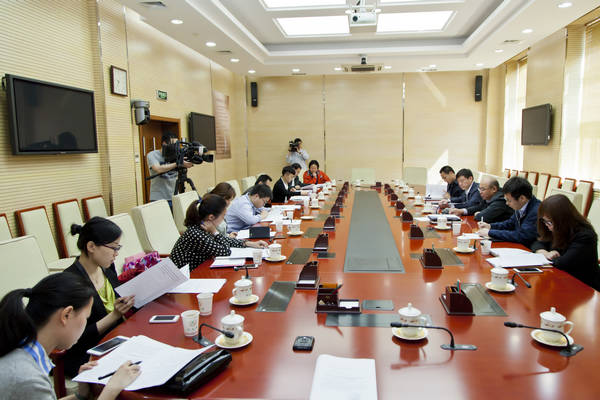
In order to implement the spirit of the No.1 Document of the Central Committee, solidly promote the structural reform of the agricultural supply side, and strive to improve the quality and efficiency of the agricultural supply system, the Ministry of Agriculture recently issued the National Planting Structure Adjustment Plan (2016-2020) (hereinafter referred to as the Plan), which made specific arrangements for the current and future planting structure adjustment. On April 28th, the relevant person in charge of the Planting Management Department of the Ministry of Agriculture gave a brief explanation on the Planning and interpreted the key issues. And answered the specific questions that the reporter was concerned about.
First, the importance and urgency of the adjustment of planting structure.
Under the new situation, the main contradiction of agriculture has changed from gross shortage to structural contradiction, which is mainly manifested in the coexistence of staged and structural oversupply and insufficient supply. Promoting the structural reform of agricultural supply side and improving the quality and efficiency of agricultural supply system is an important task of agricultural and rural economy at present and in the future. At present, China’s agricultural development environment is undergoing profound changes, old problems are constantly accumulating, new contradictions are constantly emerging, and it is also facing difficulties and challenges such as unbalanced variety structure, increasing pressure on resources and environment, upgrading consumption structure, deepening industrial integration, and strengthening market linkage at home and abroad. Facing the new situation and challenges, we must take the initiative and follow the trend, speed up the optimization and adjustment of planting structure, promote the transformation and upgrading of planting industry and promote the sustainable development of agriculture.
Second, the ideas, principles, objectives and tasks of planting structure adjustment.
Generally speaking, during the 13th Five-Year Plan period, the structural adjustment of planting industry will be guided by the new development concept, and the national grain security strategy and grain storage in the land and technology strategy will be implemented under the new situation, and the market orientation, scientific and technological support and ecological priority will be adhered to, the development mode will be changed, the transformation and upgrading will be accelerated, the grain production capacity will be consolidated and improved, the structural adjustment of planting industry will be promoted, the variety structure and regional layout will be optimized, and the first, second and third industries will be built.
On the basic principle, we should achieve "six persistences". That is, adhere to the bottom line thinking, ensure food security, adhere to market orientation, promote industrial integration, persist in highlighting key points, maintain pressure, persist in innovation-driven, pay attention to improving quality and efficiency, persist in ecological protection, promote sustainable development, and persist in focusing on the whole world and coordinating the two markets.
In terms of development goals, realize "two guarantees, three stability and two coordination". "Two guarantees", that is, food rations and grains, "three stabilities", that is, stabilizing the self-sufficiency level of cotton, edible vegetable oil and sugar, and "two coordinations", that is, coordinated development of vegetable production and demand, and coordinated development of forage production and animal husbandry.
In the task of adjustment, there are mainly "four constructions", that is, to construct a crop structure with coordinated development of grain, economy and feed, to construct a variety structure adapted to market demand, to construct a regional structure with coordinated production ecology, and to construct a farming system combining land cultivation with land cultivation.
Third, the overall consideration of variety structure and regional layout.
Variety structure and regional layout are the core contents of the Plan. Comprehensive consideration of resource endowment, ecological conditions, industrial base, planting benefits, market demand and other factors, to further optimize the variety structure and regional layout.
From the adjustment of variety structure. Grain, the focus is on ensuring rations and grains, focusing on developing rice and wheat in rations, optimizing the structure of corn, and developing edible soybeans, potatoes and miscellaneous grains and beans according to local conditions. Cotton, the key is to stabilize the area, improve the yield, improve the quality and increase the efficiency. Oil-bearing crops, mainly two oils, with more oil at the same time, focus on developing rapeseed and peanuts, and develop small oil-bearing crops such as sunflower, sesame and flax that are drought-tolerant, salt-tolerant and barren according to local conditions. Sugar material, stable area, double extraction and double increase (increase unit yield, increase sugar content, increase yield and increase benefit). Vegetables, stable area, quality and efficiency, balanced supply. Forage crops should be cultivated with seeds and diversified development. According to the layout and scale of aquaculture production, we should focus on the development of silage corn, develop high-quality forage such as alfalfa, forage oats, ryegrass and forage rape according to local conditions, and gradually establish a ternary structure of grain, economy and feed.
From the perspective of regional layout adjustment.
In Northeast China, the key points are "stabilizing, reducing, expanding and building", that is, stabilizing rice, reducing corn in non-dominant areas, expanding soybean, coarse cereals, potatoes and forage crops, and constructing a reasonable rotation system.
In the Huang-Huai-Hai area, the emphasis is on keeping the word stable, keeping the pressure and ensuring the safety, coordinating the grain supply and feeding, stabilizing the area of wheat and vegetables, appropriately reducing the wheat which is seriously over-exploited by groundwater in North China, planting drought-tolerant cotton, oil sunflower and potato, appropriately reducing the area of low-yield summer corn, and expanding the planting of peanuts, soybeans and forage crops.
In the middle and lower reaches of the Yangtze River, the focus is on "two stabilities and one promotion", that is, stabilizing the area of double-cropping rice and rapeseed, developing high-quality weak-gluten wheat and double-low rapeseed, and improving the quality. Develop and utilize coastal saline-alkali beach resources around the lake along the river to grow cotton, and develop winter fallow fields to expand forage crops.
In South China, the focus is on "two stabilities and one expansion", that is, stabilizing the rice area, stabilizing the sugar area and expanding the winter planting area.
In southwest China, the focus is on stabilizing grain and expanding menstruation, increasing feeding and promoting grazing, intercropping multiple crops and increasing production and income. Stabilize rice, wheat and highland barley in Tibetan areas, expand the planting of potatoes and miscellaneous grains and beans, expand the production of high-quality rapeseed, reduce the corn in non-dominant areas of Yunnan-Guizhou Plateau, switch to high-quality forage, promote intercropping and ecological compound planting, improve the land yield and promote the increase of production and income.
In the northwest region, the focus is on stabilizing summer and autumn, stabilizing cotton supply and increasing efficiency with characteristics. Stabilize summer crops such as wheat, actively develop potatoes, spring wheat, miscellaneous grains and beans, and develop forage crops such as silage corn and alfalfa according to local conditions. Stabilize cotton planting and develop small grain and oil crops with characteristics. Strengthen the construction of seed production bases such as corn, vegetables, potatoes and alfalfa.
Fourth, policies and measures to promote the adjustment of planting structure.
Planting structure adjustment is a systematic project, which needs to strengthen top-level design, do a good job in planning guidance, and also need to strengthen project support and policy support. The Plan puts forward seven policy measures, including improving agricultural product price policy, establishing reasonable crop rotation subsidy policy, strengthening the construction of high-standard farmland, promoting agricultural science and technology innovation, improving the level of agricultural machinery and equipment, improving financial and insurance policies, strengthening ecological protection, and strengthening agricultural product market regulation.
Since the second half of last year, agricultural departments at all levels, with a high degree of self-awareness, firm confidence and innovative ideas, have focused their efforts, strengthened guidance services and paid close attention to the implementation of measures, and vigorously and orderly promoted the adjustment of planting structure, and achieved initial results. According to the reflection from various places and the analysis of the agricultural situation of the Ministry of Agriculture, the adjustment of corn structure has made a good start this year. It is expected that the corn planting area will decrease in the whole year, especially in Heilongjiang Province, where the inventory pressure is the greatest, the corn area will be reduced more and the soybean area will be restored.
Key issues
First, several characteristics of the National Planting Structure Adjustment Plan (2016-2020)
The National Planting Structure Adjustment Plan (2016-2020) is a five-year plan compiled in the decisive stage of building a well-off society in an all-round way, which has designed the route and outlined the blueprint for guiding the structural adjustment of various places at present and in the future, and has four distinct characteristics.
The first is to maintain continuity. Looking back on the past, the last time we compiled and printed the planting structure adjustment plan was in 1999. At that time, the Ministry of Agriculture compiled the Tenth Five-Year Plan and the Plan for 2015 for the Adjustment of Planting Production Structure, focusing on the short-term and medium-term development, and put forward the strategic objectives and basic ideas for the adjustment of planting structure during the Tenth Five-Year Plan period and the next 15 years. After that, in 2003-2007 and 2008-2015, two rounds of regional layout planning of advantageous agricultural products such as grain, cotton, oil and sugar were implemented successively, mainly to highlight the regional layout of sub-varieties and the construction of industrial belts according to the supply and demand situation and regional development advantages of agricultural products. After a lapse of 17 years, we have compiled the National Planting Structure Adjustment Plan. The planning period of this plan is focused on the "Thirteenth Five-Year Plan", that is, 2016-2020, which is connected with the last round of planting structure adjustment plan in time, and is also well connected with the dominant regional layout plan of major agricultural products such as grain, cotton, oil and sugar, which maintains the continuity of planting development planning and design.
The second is to highlight pertinence. After the "twelfth consecutive increase" of grain, the relationship between supply and demand has been improved. At present, the problem of total grain is not big, and the biggest problem is structural. Under the new situation, the main contradiction of agriculture has changed from insufficient aggregate to structural contradiction, which is mainly manifested in the coexistence of staged oversupply and insufficient supply. Some supplies are not well adapted to the changes in demand, and there is a big gap in soybeans, while the increase in corn production exceeds the increase in demand, so it is difficult for milk to meet consumers’ requirements for quality and credit protection. It can be said that this round of planting structure adjustment planning has the advantages of maintaining pressure, taking and giving up, stabilizing grain varieties such as rice and wheat, reducing corn with high inventory pressure, and developing products such as soybeans, miscellaneous grains and beans, potatoes and high-quality forage in market demand. Not only in the quantity of agricultural products, but also in improving the structure, improving quality and efficiency, adding and subtracting together, and laying a good "combination boxing" for structural adjustment.
The third is to pay attention to leadership. The Plan outlines the adjustment direction and technical path of planting structure adjustment from two aspects: variety structure and regional layout. From the perspective of variety structure, the direction and focus of structural adjustment are put forward for six kinds of products: grain, cotton, oil, sugar, vegetable and feed, and the grain is subdivided into rice, wheat, corn, soybean and potato. For example, in the Plan, it is proposed that rice should be both stable in area and high in quality, and hybrid rice and conventional rice should be equally important; Wheat stabilizes winter wheat and restores spring wheat, grasping both ends and taking the middle in quality; Consolidate and upgrade the dominant corn producing areas, appropriately reduce non-dominant areas, reduce grain corn, expand silage corn, and appropriately develop fresh corn; Soybean grain-bean rotation, restoring area, improving quality and increasing benefit. From the perspective of regional layout, the adjustment focus and direction of grain, cotton, oil, sugar and vegetable feeding in six regions, namely, Northeast China, Huang-Huai-Hai region, middle and lower reaches of the Yangtze River, South China, Southwest China and Northwest China, were defined.
The fourth is to adhere to the integrity. Based on China’s national conditions, agricultural conditions and grain conditions, a ternary structure of grain, economy and feed is constructed in the internal structure. The main crops adjusted in the Plan are grain, cotton, oilseeds, sugar, vegetables and forage crops, and forage grass is included in the adjustment of planting structure for the first time. In terms of development layout, the Plan proposes to build a crop structure with coordinated development of grain and forage crops (the development direction of grain crops, cash crops and forage crops), build a variety structure that meets the market demand (focusing on developing high-quality agricultural products, special agricultural products and special agricultural products), build a regional structure with coordinated production ecology (upgrading the main producing areas, establishing functional areas and establishing protected areas), and build a farming system combining land cultivation with land cultivation (establishing cultivated land according to the resource conditions and ecological characteristics of different regions) In terms of industrial integration, taking the transformation and upgrading of related industries as an opportunity, we will promote the combination of agriculture and animal husbandry, develop the processing industry of agricultural products, expand the multi-function of agriculture, and build a pattern of integrated development of grain, economy, feeding, planting and processing, and the integration of primary, secondary and tertiary industries.
Second, compared with the previous rounds of structural adjustment, what is the difference between this round of planting structural adjustment?
Looking back on history, since the reform and opening up, China’s agricultural structure adjustment has generally experienced four rounds. The first round was in the mid-1980s. At that time, after the household contract system, the grain was harvested for many years and there was a relative surplus. However, non-food products such as cotton, oil, sugar, fruit, vegetables and tea were in short supply, and the focus of structural adjustment was to suppress grain and expand the economy. In the second round, in the early 1990s, the comprehensive production capacity of agricultural products was generally improved. In 1991, the phenomenon of "difficult to sell grain" appeared, mainly in early indica rice in the south, but the price of high-quality agricultural products was higher and the market was better. The focus of this round of structural adjustment was to develop high-yield, high-quality and efficient agriculture. In the third round, at the end of the 1990s, the grain output reached a record high (reaching 1,024.6 billion Jin in 1998), with the output exceeding 1 trillion Jin in three years. The "difficulty in selling grain" reappeared, and the country implemented strategic structural adjustment, and the areas of the three main grains of rice, wheat and corn were greatly reduced. From 1998 to 2003, the grain area decreased from 1.71 billion mu to 1.49 billion mu in five years, a decrease of 220 million mu, which was the biggest decrease in grain area since the founding of New China, and it also had the deepest impact.
The fourth round, that is, this round of structural adjustment, is different from the previous rounds of structural adjustment. Under the new situation, the main contradiction of agriculture has changed from gross shortage to structural contradiction. Promoting the structural reform of agricultural supply side and accelerating the transformation of agricultural development mode are the important tasks of agricultural and rural economy at present and in the future. Judging from the three staple foods, the balance of rice is slightly surplus, wheat is basically balanced, and the supply of corn exceeds demand in stages. Therefore, the focus of this round of structural adjustment, in terms of quality, is to stabilize the area of rice, wheat and other rations, while optimizing the quality structure to meet market demand; In terms of quantity, the key point is to reduce the corn area in non-dominant areas.
Three, the main work of the Ministry of Agriculture to promote the adjustment of corn structure has been carried out.
Since the beginning of this year, the Ministry of Agriculture has closely focused on the main line of work of changing the mode and adjusting the structure, adhered to green development, improved quality and efficiency, and focused on reducing the corn area in the non-dominant areas in the "sickle bend" area. All localities have the same understanding, firm attitude and solid measures to promote the adjustment of corn structure. According to the reflection of all localities and the analysis of the agricultural situation of the Ministry of Agriculture, this year’s corn structure adjustment momentum is better than expected, the task implementation exceeds expectations, all the work is progressing smoothly, and the corn structure adjustment has made a good start.
First, strengthen the top-level design and do a good job in planning and guidance. In view of the new changes in the supply and demand situation after increasing grain production year after year, the Ministry of Agriculture made early analysis and judgment, strengthened top-level design and put forward countermeasures. On the basis of in-depth investigation, the National Planting Structure Adjustment Plan (2016-2020) was compiled, and the adjustment opinions of variety structure and regional layout were put forward, so as to accelerate the construction of a modern agricultural development pattern of overall planning of grain, economy and feed, combination of agriculture and animal husbandry, integration of planting, breeding and processing, and integration of primary, secondary and tertiary industries. At present, there are many grain stocks, mainly corn, and corn is the focus of planting structure adjustment. In November last year, the Ministry of Agriculture formulated the Guiding Opinions on the Adjustment of Corn Structure in the Sickle Bend Area, proposing to reduce the corn area by more than 50 million mu by 2020 and by more than 10 million mu this year. At present, there is a serious shortage of soybeans in China. Recently, the executive meeting of the Ministry of Agriculture focused on promoting the development of soybean production, and formulated and issued the Guiding Opinions on Promoting the Development of Soybean Production. By optimizing regional layout, paying close attention to policy implementation, and promoting scientific and technological innovation, we will strive to reach 140 million mu of soybean area by 2020, an increase of 40 million mu. All localities, in combination with reality, take the initiative and take advantage of the situation to formulate specific plans for the adjustment of planting industry, especially corn structure.
The second is to strengthen organizational promotion and arrange deployment as soon as possible. Adjusting the agricultural structure and promoting the structural reform of the agricultural supply side are major tasks for the development of agricultural and rural economy this year. At the end of last year, the Ministry of Agriculture made arrangements for the adjustment of agricultural structure at the national agricultural work conference, put forward the main line of work of "improving quality and increasing efficiency, stabilizing grain and increasing income sustainably", and specially convened the national planting structure adjustment work conference to make specific arrangements for the adjustment of planting structure, focusing on the implementation of the corn structure adjustment task. In February this year, a national video conference on spring field management and spring ploughing preparation was held to put forward requirements for corn structure adjustment. At the same time, five working groups led by department leaders and bureau-level cadres were sent to areas with heavy structural adjustment tasks, such as Northeast China, Huang, Huai and Hai, to supervise and inspect the implementation of key tasks such as changing rice to beans and changing grain to feed. The agricultural departments at all levels organized nearly 300,000 government officials and agricultural technicians to go deep into the front line of production, and took the form of casing pieces and entering villages and households to effectively help farmers solve practical difficulties in structural adjustment. On April 26, the Ministry of Agriculture held a national video conference on the adjustment of planting structure and the promotion of grain-bean rotation to feed, and re-mobilized, re-arranged and re-implemented key tasks such as corn structure adjustment, grain-bean rotation and grain-to-feed in the "Sickle Bend" area. All localities have strengthened their target responsibilities, decomposed tasks at different levels, and made efforts to promote implementation. Heilongjiang province, which has the heaviest task of structural adjustment, has included the task of reducing corn into the index system of performance management evaluation of leading cadres of party and government in counties and cities by the organization department of the provincial party Committee. At present, the relevant provinces have implemented their tasks in counties and cities and in towns and villages.Implement it to the business entity.
The third is subtraction and addition, focusing on key forces. This round of corn structure adjustment is to consolidate and enhance the production capacity of dominant areas and appropriately reduce the corn planting area in non-dominant areas. Subtraction and addition should be done together, and the combination of structural adjustment should be done well, which not only reduces the corn with high inventory pressure, but also increases the agricultural products in short supply in the market. Do a good job of "subtraction", focusing on reducing the corn in the non-dominant areas in the "sickle bend" areas such as the fourth and fifth accumulated temperature zone in Northeast China, the farming-pastoral ecotone in North China, the sandstorm arid area in Northwest China and the rocky desertification area in Southwest China. Since last year, the Ministry of Agriculture has repeatedly cooperated with the "Sickle Bend" areas, especially the four northeastern provinces, to reduce corn production by province. At the same time, in accordance with the requirements of the No.1 Document of the Central Committee, we will explore the implementation of the pilot system of farmland rotation fallow with relevant departments, and plan to carry out pilot fallow in groundwater funnel areas, heavy metal pollution areas and areas with serious ecological degradation. Do a good job of "addition" and actively guide farmers to reduce the corn area and expand the crops such as soybeans, miscellaneous grains and beans, potatoes, silage corn and high-quality forage that the market needs. This year, it is planned to implement 5 million mu of rice-to-bean pilot in four northeastern provinces and regions to promote the "one main and four auxiliary" planting model; In 18 provinces (regions) in the "Three North" area, arid and semi-arid area and farming-pastoral ecotone, 100 counties were selected to carry out the pilot project of changing grain to feed, so as to raise with seeds and promote raising with seeds, and vigorously develop herbivorous animal husbandry.
The fourth is to integrate technical models and pay close attention to guidance services. To promote the adjustment of corn structure, it is necessary to increase technical guidance services and demonstration guidance. Organized experts from the Ministry of Agriculture to guide the composition of regions and crops, and formulated 19 technical plans for the adjustment of planting structure, guiding the adjustment of adaptability, combination of agriculture and animal husbandry, ecological protection, combination of farming and cultivation, maintenance and pressure, and around the market. Strengthen demonstration and guidance, create more than 160 counties with green, high yield and high efficiency, and take the lead in implementing the integrated technology model of corn structure adjustment. Supervise and urge all localities to implement structural adjustment as soon as possible to replace the seeds of crops and supporting machinery and other materials, do a good job in adjusting the surplus and deficiency, and ensure the needs of planting structure adjustment. The Ministry of Agriculture has organized seven trainings in Heilongjiang, Jilin, Liaoning, Guizhou, Yunnan and other provinces to change farmers’ planting habits and master the corresponding cultivation techniques. In May, combined with the survey of "100 rural households", we organized government officials and agricultural technicians to go deep into key areas of structural adjustment, do a good job in technical guidance and services, and promote the implementation of various measures.
The fifth is to strengthen policy support and release positive signals. Adjusting and optimizing the corn structure needs market information guidance, but also needs policy support, so that farmers are willing to adjust, adjust and stabilize. This year, the Ministry of Agriculture, together with the Ministry of Finance, integrated more than 3 billion yuan of funds to support the adjustment of agricultural structure, focusing on subsidies for changing grain to feed and grain-bean rotation in the "sickle bend" area. Actively cooperate with the National Development and Reform Commission, the Ministry of Finance and other departments, improve the policy of purchasing and storing corn, and promote the reform of "market-oriented acquisition" and "subsidy". Conscientiously implement the soybean target price policy, scientifically adopt the price, reasonably calculate, safeguard the interests of farmers, and guide the expansion of soybeans. At the beginning of April, the Ministry of Agriculture held a press conference to introduce the adjustment of corn structure to the society in a timely manner, publicize and interpret the reform policy of corn storage and storage, let local governments and farmers understand the content and requirements of the policy, and guide local governments to rationally arrange planting structure. At the same time, three working groups led by bureau-level cadres were sent to go deep into the front line of spring ploughing production, conduct research and preach policies. Open a column in Farmers Daily to publicize the good experiences and practices of corn structural adjustment in various places and create a good public opinion atmosphere.
Four, this year the central government issued a policy to support the adjustment of planting structure.
This year, when the financial resources of the central government are very difficult, the Ministry of Agriculture and the Ministry of Finance have integrated more than 3 billion yuan of funds to support the adjustment of agricultural structure, focusing on the grain-bean rotation in the "sickle bend" area, the subsidy for changing grain to feed, and the pilot project of arable land rotation and fallow.
First, support the development of grain-soybean rotation in Northeast China. Last year, the Ministry of Agriculture carried out a pilot project of grain-bean rotation in Bei ‘an City, Zhaoguang Farm and Jianshan Farm in Heilongjiang Province, and achieved good results. This year, we will expand the pilot scope of grain-bean rotation and give financial support. It is planned to arrange 5 million mu of grain and bean rotation tasks, including 2.5 million mu in Heilongjiang, 1 million mu in Jilin and Inner Mongolia, and 500,000 mu in Liaoning. Focus on the promotion of the "one main and four auxiliary" planting model, with corn and soybean rotation as the main, supplemented by potato, forage, miscellaneous grains and beans, and oil crops.
The second is to expand the pilot program of changing grain to feed. On the basis of summing up the experience of last year’s pilot project, this year’s pilot project of changing grain to feed was extended to the whole "sickle bend" area and the main corn producing areas in Huang, Huai and Hai, and the number of pilot counties increased from 30 to 100. The funds for grain-to-feed conversion go to the province, the tasks go to the province, and the responsibilities go to the province, giving the local authorities full autonomy. All relevant provinces are required to formulate and improve the implementation plan, refine the principles of policy implementation, improve the assessment and supervision system, and ensure the completion of the task of changing 5 million mu of grain to feed. Support large-scale cattle and sheep farms and forage enterprises to store and store high-quality forage such as whole-plant silage corn. We will cultivate high-quality forage crops such as silage corn, forage oats, sweet sorghum, etc., and transform herbivorous livestock such as cattle and sheep on the spot, so as to promote the construction of an agricultural development pattern of overall planning of grain and feed, integration of planting and breeding, and combination of agriculture and animal husbandry.
The third is to explore the pilot system of fallow farmland. Implementing the pilot system of arable land rotation and fallow is an important measure to promote the sustainable development of agriculture and an important content of planting structure adjustment. This year, it is planned to take the lead in carrying out pilot projects in groundwater funnel areas, heavy metal pollution areas and areas with serious ecological degradation, give appropriate subsidies to the pilot projects of fallow, and explore different fallow modes such as seasonal fallow, fallow every other year and fallow year after year.
Notice of the Ministry of Agriculture on Printing and Distributing the National Planting Structure Adjustment Plan (2016-2020)
Provinces, autonomous regions and municipalities directly under the central government, agriculture (agriculture, animal husbandry and rural economy), agricultural machinery, animal husbandry and reclamation bureau (department, committee), Agricultural Bureau of Xinjiang Production and Construction Corps:
In order to implement the spirit of "Several Opinions of the Central Committee of the Communist Party of China and the State Council on Implementing New Development Ideas and Accelerating Agricultural Modernization to Achieve the Goal of a Well-off Society in an All-round Way" (Zhongfa [2016] No.1), solidly promote the structural reform of the agricultural supply side, and strive to improve the quality and efficiency of the agricultural supply system, the Ministry of Agriculture has compiled the National Planting Structure Adjustment Plan (2016-2020), which is now issued. Please seriously organize the implementation according to the actual situation.
Ministry of agriculture
April 11, 2016
National planting structure adjustment plan
(2016-2020)
Planting is an important foundation of agriculture, and grain, cotton, oil, sugar and vegetables are important products related to the national economy and people’s livelihood. During the "Twelfth Five-Year Plan" period, China’s grain production increased year after year, and the planting industry continued to develop steadily, which provided a strong support for the overall economic development and reform. The "Thirteenth Five-Year Plan" period is the decisive stage of building a well-off society in an all-round way, and the situation it faces is more complicated and the task of development is more arduous. In order to adapt to the new normal of economic development and promote the structural reform of agricultural supply side, we must speed up the transformation of development mode, adjust and optimize planting structure, improve the quality of development in an all-round way, and make every effort to ensure national food security and effective supply of important agricultural products.
The main crops adjusted in this plan are grain, cotton, oilseeds, sugar, vegetables and forage crops, and the planning period is 2016-2020.
First, the necessity and urgency of planting structure adjustment
Since the Twelfth Five-Year Plan, especially since the 18th National Congress of the Communist Party of China, the central government has attached great importance to the work concerning agriculture, rural areas and farmers, made a series of major arrangements, and issued a series of policies to strengthen agriculture, benefit farmers and enrich farmers, which effectively promoted the sustained and stable development of grain and planting industry and made great achievements. Agricultural production capacity has been steadily improved. The grain output exceeded 550 million tons for five consecutive years and 600 million tons for three consecutive years, and the comprehensive production capacity exceeded 550 million tons. At the same time, horticultural crops such as fruit, vegetable and tea have developed steadily, and the yield level of industrial raw materials such as cotton, oil and sugar has been further improved. A number of production bases of important agricultural products such as grain, cotton, oil and sugar have been built, and the production base of "rice bags" and "vegetable baskets" has been continuously consolidated. The basic conditions of agriculture continued to improve. The effective irrigation area of farmland reached 986 million mu, accounting for 54.7% of the total cultivated area, and the effective utilization coefficient of farmland irrigation water reached 0.52; A new batch of high-standard farmland was built to ensure the harvest of drought and flood, and the quality of cultivated land was improved. The level of scientific and technological support has been significantly enhanced. The contribution rate of agricultural scientific and technological progress exceeds 56%, and the improved varieties of major crops, especially food crops, have basically achieved full coverage; The total power of agricultural machinery reached 1.1 billion kilowatts, and the comprehensive mechanization rate of main crops reached 63%. The degree of production intensification has been continuously improved. The transfer area of contracted cultivated land reached 403 million mu, accounting for 30.4% of the contracted cultivated land area of households; There are 1,288,800 farmers’ professional cooperatives, and the farmers who join the cooperatives account for about 36% of the total number of farmers in the country; The coverage rate of major pests and diseases of major crops reached 30%. The dominant zones of major products have taken shape.Wheat focuses on Huanghuaihai, rice on Northeast China and Yangtze River valley, corn on Northeast China and Huanghuaihai, soybean on Northeast China and South Huanghuaihai, cotton on Xinjiang, rape on Yangtze River valley, and sugar on Guangxi and Yunnan, forming a number of advantageous industrial belts of agricultural products with distinctive characteristics and concentrated layout.
At present, China’s agricultural development environment is undergoing profound changes, with old problems accumulating and new contradictions emerging, facing many difficulties and challenges. First, the variety structure is unbalanced. The supply and demand of wheat and rice rations are balanced, the supply of corn exceeds demand in stages, and the gap between supply and demand of soybeans is widening year by year. Cotton, oilseeds, sugar, etc. are subject to resource constraints and the impact of the international market. Imports have increased substantially and production has declined. There is a shortage of high-quality forage, and imports are increasing year by year. Second, the pressure of resource and environment constraints is increasing. The rapid progress of industrialization and urbanization will occupy a part of cultivated land and squeeze a part of agricultural water space. Problems such as the degradation of cultivated land quality, over-exploitation of groundwater in North China and eutrophication of surface water in South China are prominent, and the "hard constraint" on agricultural production is intensified, and the extensive development mode of fighting for resource consumption and material factors investment is unsustainable. Third, the demand for upgrading the consumption structure is getting higher and higher. With the development of economy, the ability to pay and living standards of urban and rural residents have been continuously improved. Consumers’ demand for agricultural products has changed from full to good, safe and healthy, and has entered a new stage of consumption-led agricultural development transformation. Fourth, the degree of industrial integration is getting deeper and deeper. With the continuous extension of the modern agricultural industrial chain and the increasing industrial added value, it is necessary to develop multiple functions and multiple values of agriculture, promote the combination of agriculture and animal husbandry, and realize the integrated development of the primary, secondary and tertiary industries. Fifth, the linkage between domestic and international markets is getting tighter and tighter. With the deepening of economic globalization and trade liberalization, the domestic and international markets are deeply integrated, the flow of resource elements and products is accelerated, the competitive advantage of domestic agricultural products is insufficient, and the import pressure is increasing. Besides,Affected by global warming, extreme weather, such as high temperature, drought, floods, etc., frequently recur, and the occurrence of pests and diseases is increasing, which poses a threat to the safety of agricultural production.
Under the new situation, the main contradiction of agriculture has changed from gross shortage to structural contradiction. Promoting the structural reform of agricultural supply side and accelerating the transformation of agricultural development mode are the important tasks of agricultural and rural economy at present and in the future. These major arrangements and requirements have brought rare opportunities to the adjustment of planting structure. First, there is a new concept of development. The five new development concepts of "innovation, coordination, green, openness and sharing" provide basic follow-up for adjusting and optimizing planting structure. Second, there is a huge market consumption. There are still five years to achieve the goal of the first century. In addition, with the rapid advancement of industrialization and urbanization, it has entered an important stage of sustained growth in consumer demand, accelerated upgrading of consumption structure, and obvious enhancement of the role of consumption in stimulating the economy. There is huge market space and external motivation continues to increase. Third, there is the support of accelerating scientific and technological innovation. A new round of scientific and technological revolution and industrial transformation centered on biology, information, new materials and new energy technologies are gaining momentum. A number of new technologies such as the Internet of Things, intelligent equipment and DNA bio-memory cards are constantly emerging. With the in-depth implementation of the national science and technology innovation-driven strategy and "mass entrepreneurship and innovation", new formats such as smart agriculture and ecological agriculture have emerged as the times require, and their internal motivation has been continuously enhanced. Fourth, the deepening of rural reform. The reform of rural collective property rights system, the reform and improvement of the price formation mechanism and purchasing and storage system of agricultural products such as grain, the improvement of the mechanism of sustained growth of agricultural and rural investment, and the promotion of more financial resources to the countryside will further release the reform dividend. Fifth, there is deep integration at home and abroad.China has been deeply integrated into the globalization pattern, and the accelerated implementation of the "Belt and Road" strategy has coordinated the international and domestic markets and resources, expanding the space for adjusting and optimizing the planting structure.
In the face of the new situation and new challenges, we must take the initiative and follow the trend, accelerate the transformation of agricultural development mode, promote the structural adjustment of planting industry, enhance quality and efficiency and competitiveness, ensure national food security and promote the sustainable development of planting industry.
Second, the ideas, principles, objectives and tasks of planting structure adjustment
(A) the overall thinking
Fully implement the spirit of the 18th National Congress of the Communist Party of China and the Third, Fourth and Fifth Plenary Sessions of the 18th Central Committee, thoroughly implement the spirit of the series of important speeches by the Supreme Leader General Secretary, implement the national food security strategy and the strategy of storing grain in the land and technology under the new situation, adhere to market orientation, scientific and technological support and ecological priority, change the development mode, accelerate transformation and upgrading, consolidate and enhance grain production capacity, promote the structural adjustment of planting industry, and optimize the variety structure and regional layout. We will build a pattern of overall planning of grain economy and feeding, combination of agriculture and animal husbandry, integration of planting, breeding and processing, and integrated development of primary, secondary and tertiary industries, and take the road of agricultural modernization with high output efficiency, product safety, resource conservation and environmental friendliness.
(2) Basic principles
1. Adhere to the bottom line thinking to ensure food security. The adjustment of planting structure should be based on China’s national conditions and grain situation, concentrate on keeping the most basic and important, and keep the strategic bottom line of "grain is basically self-sufficient and rations are absolutely safe". Strengthen the construction of major grain producing areas, establish grain production functional zones and important agricultural products production protection zones, and consolidate and enhance grain production capacity.
2. Adhere to market orientation and promote industrial integration. Give play to the decisive role of the market in allocating resources and guide farmers to arrange production and planting structures. Taking the upgrading and transformation of related industries as an opportunity, we will promote the combination of agriculture and animal husbandry, develop agricultural products processing industry, expand agricultural multi-functions, realize the integrated development of primary, secondary and tertiary industries, and enhance agricultural benefits.
3. Insist on highlighting key points, so as to keep pressure. According to the resource endowment and regional differences, the pressure is maintained in an orderly manner and the trade-offs are moderate. Optimize the variety structure, focusing on ensuring rations and grains, taking into account the production of cotton, oil, sugar and vegetables, and developing marketable high-quality varieties. Optimize regional layout, give full play to comparative advantages, consolidate and upgrade advantageous areas, and appropriately reduce non-advantageous areas. Optimize crop structure and establish ternary structure of grain, economy and feeding.
4. Adhere to innovation drive and pay attention to improving quality and efficiency. Promote scientific and technological innovation, strengthen the basic conditions of agricultural science and technology and the construction of equipment support capacity, and improve the scientific and technological level of planting structure adjustment. Promote mechanism innovation, cultivate new agricultural business entities and new agricultural service entities, develop moderate scale operations, and enhance the level of intensification and organization.
5. Adhere to ecological protection and promote sustainable development. Establish the concept of respecting nature, conforming to nature and protecting nature, save and efficiently use agricultural resources, promote the reduction and efficiency increase of chemical fertilizers and pesticides, establish a farmland rotation system, realize the combination of land use and land conservation, and promote the sustainable utilization of resources and the coordinated development of production ecology.
6. Insist on focusing on the whole world and coordinating the two markets. On the premise of ensuring the bottom line of national food security, we should make full use of international agricultural resources and product markets, maintain moderate imports of some short varieties, and meet the domestic market demand. Guide domestic enterprises to participate in international capacity cooperation, allocate resources and industries in the international market, and enhance the international competitiveness and global influence of China’s agriculture.
(3) Development goals
The goal of planting structure adjustment is mainly "two guarantees, three stability and two coordination".
"two guarantees", that is, food and grain. By 2020, the grain area will be stable at about 1.65 billion mu, including 800 million mu of rice and wheat rations, and 1.4 billion mu of grain.
"Three stabilities" means stabilizing the self-sufficiency level of cotton, edible vegetable oil and sugar. By 2020, we will strive to stabilize the cotton area at about 50 million mu, the oil area at about 200 million mu and the sugar area at about 24 million mu.
"Two coordinations" means the coordinated development of vegetable production and demand, forage production and animal husbandry. By 2020, the area of vegetables will be stable at about 320 million mu, and the area of forage grass will reach 95 million mu.
(4) Adjusting tasks
1. Build a crop structure with coordinated development of grain and feed. To adapt to the new trend of agricultural development, establish a ternary structure of grain crops, cash crops and forage crops. Grain crops: strengthen the construction of major grain producing areas, build a number of functional areas for high and stable grain production, strengthen infrastructure construction, improve the level of science and technology and material equipment, and constantly consolidate grain production capacity. Cash crops: stabilize the planting area of cotton, oilseeds and sugar crops and build a number of stable commodity production bases. Stabilize vegetable area, develop facility production and realize balanced supply. Forage crops: actively develop high-quality forage crops in accordance with the principle of cultivating with seeds and promoting cultivation with seeds.
2. Build a variety structure that meets the market demand. The upgrading of consumption structure requires agriculture to provide products with sufficient quantity and excellent quality. Develop high-quality agricultural products, giving priority to the development of high-quality agricultural products such as high-quality rice, strong gluten and weak gluten wheat, "double low" rapeseed, high-protein soybean, high-oil peanut, high-yield and high-sugar sugarcane. Develop special agricultural products, actively develop special varieties for processing such as sweet glutinous corn, processed early indica rice, high lysine corn, high oil corn and high starch potato, and develop alfalfa and silage corn with high biological yield, high protein content and low crude fiber content. Develop characteristic agricultural products, develop rice that inherits farming civilization and protects characteristic germplasm resources according to local conditions, miscellaneous grains and beans with regional characteristics, small oil crops with unique flavor and agricultural products with geographical indications. Cultivate well-known brands, expand market influence, and provide consumers with nutritious, healthy, quality and safety agricultural products.
3. Construct a regional structure with coordinated production ecology. Considering the factors such as resource carrying capacity, environmental capacity, ecological type and development foundation, we will determine the development direction and focus of different regions, make classified policies and promote them step by step, and build a scientific, reasonable and professional production pattern. To promote the main producing areas, the key points are to develop the advantageous grain and oil producing areas such as the Northeast Plain, the Huang-Huai-Hai Region, the middle and lower reaches of the Yangtze River, the inland cotton region of Xinjiang, the advantageous sugarcane region of Guangxi, Yunnan and Guangdong, develop the transportation base of southern vegetables to the north and the vegetable facilities in the north, strengthen the infrastructure construction and steadily increase the production capacity. Establish functional zones, giving priority to the delineation of wheat and paddy fields with good water and soil resources matching and relatively concentrated contiguous areas as food production functional zones, especially the Hangjiahu Plain, Guanzhong Plain, Hexi Corridor, Hetao Irrigation Area and Southwest Multi-cropping Area, which are not the main producing areas, as food production functional zones. Establish protected areas, speed up the priority of important agricultural products with outstanding resource advantages and obvious regional characteristics, and focus on the development of protected areas for important products such as northeast soybeans, "double low" rapeseed in the Yangtze River basin, cotton in Xinjiang, and "double high" sugarcane in Guangxi.
4. Construct a farming system combining land cultivation with land cultivation. According to the resource conditions and ecological characteristics of different regions, the cultivated land rotation system is established to promote sustainable development. Eco-friendly farming systems, such as corn-soybean rotation, corn-alfalfa rotation and wheat-soybean rotation, are implemented in the cold and cold areas of Northeast China to play the role of biological nitrogen fixation and soil fertility. In the farming-pastoral ecotone in the north, we will focus on developing crops and pastures that are water-saving, drought-tolerant and stress-resistant, so as to prevent soil erosion and achieve a win-win situation for ecological restoration and production development. According to the conditions of precipitation and irrigation, the crops should be planted with water, and miscellaneous grains, beans and drought-tolerant grasses with less water consumption should be planted to improve the utilization rate of water resources in the sandstorm arid area of northwest China. In the multi-ripened areas in the south, we should develop various forms of intercropping and interplanting modes, such as Gramineae and Leguminosae, tall and short stalks, paddy fields and dry fields, and effectively use light and temperature resources to achieve sustainable development. In addition, on the premise of ensuring national food security and basically stabilizing farmers’ planting income, we will carry out fallow pilot projects in groundwater funnel areas, heavy metal pollution areas and areas with serious ecological degradation. It is forbidden to abandon farming and waste farming, and farmers are encouraged to take protective measures against fallow farmland.
Third, the variety structure and regional layout
(A) the focus of variety structure adjustment
1. Food. Stick to the bottom line of "grain is basically self-sufficient and food rations are absolutely safe", adhere to the principle of maintaining pressure and giving priority, with emphasis on maintaining food rations and grains, focusing on developing rice and wheat production in food rations, optimizing the structure of corn, and developing edible soybeans, potatoes and miscellaneous grains and beans according to local conditions.
—— Rice: Stabilizing the area and improving the quality, and paying equal attention to hybrid rice and conventional rice.
Stabilizing area and improving quality simultaneously. Consolidate the japonica rice producing areas in the north, stabilize the production of double-cropping rice in the south, expand the planting area of high-quality rice, and promote quality improvement and efficiency improvement. By 2020, the rice area will be stable at 450 million mu, and the proportion of high-quality rice will reach 80%.
Both hybrid rice and conventional rice are equally important. Give full play to the advantages of hybrid rice breeding technology in China, speed up the breeding of new hybrid rice varieties with high yield, high quality and high resistance, stabilize the area of hybrid rice, and promote the increase of yield and quality. Using modern breeding technology, we can speed up the purification and rejuvenation of conventional rice varieties, reduce the cost of using seeds, give play to the quality advantages of conventional rice, and improve planting efficiency.
-wheat: stabilize winter wheat and restore spring wheat, grasp both ends and take the middle.
Stabilize winter wheat and restore spring wheat. Stabilize winter wheat in the main producing areas such as Huanghuaihai and the middle and lower reaches of the Yangtze River. Combined with the establishment of a reasonable rotation system, spring wheat will be properly restored in the cold areas of Northeast China, Hetao area of Inner Mongolia and northern Tianshan area of Xinjiang. By 2020, the wheat area will be stable at about 360 million mu, of which winter wheat will be stable at 330 million mu.
Grab both ends and take the middle. "Catch both ends" and vigorously develop high-quality strong gluten wheat for processing bread and high-quality weak gluten wheat for processing biscuit cakes, which are in short supply in the market. "With the middle", the quality of medium gluten or medium strong gluten wheat used for processing steamed bread and noodles will be improved.
-Corn: reduce grain corn, expand silage corn, and appropriately develop fresh corn.
Reduce grain corn. Consolidate and enhance the dominant areas of corn, appropriately reduce the non-dominant areas, focusing on reducing the area of spring corn in the cold northeast area, the farming-pastoral ecotone in the north, the sandstorm and arid area in the northwest, and the low-yield summer corn in the Huang-Huai-Hai area, vigorously promote varieties suitable for grain harvesting and promote the whole process of mechanized production. By 2020, the corn area will be stable at about 500 million mu, with the focus on reducing the corn area in the "sickle bend" area by more than 50 million mu.
Expand silage corn. According to the requirements of breeding with seeds and promoting breeding with seeds, we should develop silage corn according to local conditions, provide high-quality feed sources, and transform and add value on the spot. By 2020, the area of silage corn will reach 25 million mu.
Appropriately develop fresh corn. To meet the needs of residents’ consumption upgrading, we will expand the cultivation of fresh corn and provide residents with nutritious and healthy dietary fiber and fruits and vegetables. By 2020, the area of fresh corn will reach 15 million mu.
-soybean: rotation of grain and beans, restoration of area, improvement of quality and efficiency.
Grain-bean rotation and restoration area. Carry out grain-soybean rotation according to local conditions, promote corn-soybean rotation mode in Northeast China, and promote corn-soybean rotation, wheat-soybean double cropping or corn-soybean intercropping in Huang-Huai-Hai area to restore soybean planting area appropriately. By 2020, the soybean area will reach 140 million mu, an increase of about 40 million mu.
Improve quality and efficiency. According to the dietary habits of Chinese residents and the current situation of supply and demand in soybean market, the area of high-quality edible soybeans in Northeast China will be expanded and the area of oil soybeans will be stabilized. Huang-Huai-Hai area should focus on high-quality and high-protein edible soybeans and restore the area appropriately. Accelerate scientific and technological innovation, increase policy support, promote the innovation of management system, and realize increasing production and efficiency, saving costs and increasing efficiency, improving quality and efficiency. Realize the dislocation competition between domestic soybeans and foreign high-oil soybeans, and meet the national consumption demand for healthy plant protein.
-Potato miscellaneous grains: expand the area, optimize the structure, process and transform, improve the quality and increase efficiency.
Expand the area and optimize the structure. Appropriately reduce the corn area in the "sickle bend" area and replant drought-tolerant and barren potatoes and miscellaneous grains and beans to meet the market demand and protect the ecological environment. By 2020, the planting area of potato miscellaneous grains will reach about 230 million mu.
Processing and transformation, improving quality and increasing efficiency. According to the requirements of "nutrition guides consumption and consumer guide production", the multi-functions of potato coarse cereals with nutrition and health and homology of medicine and food are developed, which are widely used in the fields of staple food product development, brewing, nutrition and health care, deep processing, etc., to promote the connection between large-scale planting and production and marketing, realize the transformation and value-added of processing, and drive farmers to increase production and income.
2. cotton. Stabilize the area and increase efficiency by double lifting.
Stable area. Affected by factors such as declining planting benefits, cotton production is concentrated in dominant areas, in saline-alkali beaches and sandy dry land, and in high-efficiency planting mode areas. Under the existing "three-legged" pattern of inland cotton areas in the northwest, cotton areas in the Yellow River Basin and cotton areas in the Yangtze River Basin, Xinjiang cotton areas will be upgraded and the coastal cotton areas along the Yellow River and the Yellow River Lake will be consolidated. By 2020, the cotton area will be stable at about 50 million mu, of which the cotton area in Xinjiang will be stable at about 25 million mu.
Double lifting and efficiency improvement. Focus on improving yield, quality and efficiency. Accelerate the breeding of high-yield cotton varieties with salt and alkali tolerance, strong resistance and suitable for mechanical harvesting, and integrate technologies such as transplanting and harvesting of cotton production machinery. At the same time, it solves the quality problems of foreign fibers such as cotton "three filaments", as well as mechanical impurities, fiber length and strength reduction, and realizes increasing production and efficiency, saving costs and increasing efficiency, improving quality and efficiency.
3. Oil. Give priority to two oils, with more oil at the same time.
Two oils are the main ones. Focus on the development of rapeseed and peanut production. Stabilize the area of rapeseed and peanut in the Yangtze River basin and the area of peanut in Huanghuaihai, and expand the area of peanut in the farming-pastoral ecotone in Northeast China according to local conditions. By 2020, the rapeseed area will be stable at about 100 million mu, and the peanut area will be stable at about 70 million mu.
More oil at the same time. According to local conditions, we will develop small oil crops such as sunflower, sesame and flax, which are drought-tolerant, salt-tolerant and barren, and actively develop high-oil corn. Demonstration and promotion of oil peony and Cyperus esculentus in suitable areas to increase new oil sources. Make full use of cottonseed, rice bran and other raw materials to develop edible vegetable oil.
4. sugar. Stable area, double lifting and double increase.
Stable area. By improving the price formation mechanism of sugarcane and integrating the cost-saving and efficiency-increasing technologies based on mechanical harvesting, farmers’ enthusiasm for planting sugarcane was mobilized. The key point is to stabilize the advantageous producing areas such as Guangxi and Yunnan, and appropriately reduce the sugarcane producing areas that do not have comparative advantages. By 2020, the area of sugar will be stable at about 24 million mu, of which the area of sugarcane will be stable at about 21 million mu.
Double increase and double increase. Efforts should be made to increase yield per unit area, sugar content, yield and benefit. Accelerate the breeding of new varieties with high yield, high sugar content, stress resistance and suitable for mechanical harvesting, vigorously promote virus-free healthy sugarcane seedlings, and integrate supporting light, simple and efficient cultivation techniques to improve yield, quality and efficiency.
5. vegetables. Stable area, high quality and efficiency, and balanced supply.
Stable area. Coordinate the production of superior vegetable producing areas and "vegetable gardens" in large and medium-sized cities, consolidate and enhance the vegetable production in northern facilities, and stabilize the vegetable planting area. By 2020, the vegetable area will be stable at about 320 million mu, including 63 million mu of protected vegetables.
Quality and efficiency. The key point is to popularize technologies such as water saving, environmental protection and green prevention and control, and establish a systematic and complete product quality traceability system from field to table to ensure the quality and safety of vegetable products. Improve the protection ability of protected agriculture, promote the integration of fertilizer and water and small working machinery, and promote modern technologies such as intelligent monitoring and "internet plus" according to local conditions, so as to increase production and increase efficiency, save costs and increase efficiency.
Balanced supply. Coordinate the vegetable production in the vegetable base transported from south to north and the protected vegetable production in the north, and develop the vegetable production in early spring, late autumn and overwintering. Improve circulation facilities, strengthen the construction of cold chain in producing areas, focus on solving the contradiction of uneven distribution of vegetable supply in time and space, and achieve balanced supply throughout the year.
6. Forage crops. Cultivate and bring species and develop in a diversified way.
To raise and bring seeds. According to the layout and scale of aquaculture production, we will develop high-quality forage such as silage corn according to local conditions, and gradually establish a ternary structure of grain, economy and feed. By 2020, the area of silage corn will reach 25 million mu and the area of alfalfa will reach 35 million mu.
Diversified development. In the northern region, high-quality forage grasses such as alfalfa, silage corn and forage oats will be developed, while in the southern region, ryegrass, clover, Pennisetum, forage rape, forage ramie and forage mulberry leaves will be developed.
(B) the focus of regional layout adjustment
Considering the natural ecological conditions, production development status and structural adjustment potential comprehensively, the adjustment focus and direction of the six regions are defined.
1. Northeast China.
-regional characteristics. This area has a vast territory and a large area of cultivated land. Songnen Plain, Sanjiang Plain and Liaohe Plain are located in the core of this area, and the cultivated land is fertile and concentrated, which is suitable for agricultural machinery cultivation. Abundant rainfall, the annual precipitation is 500-700 mm, the frost-free period is 80-180 days, the first frost day is in the first and middle of September, the accumulated temperature is ≥10℃ and the sunshine hours are 2300-3000 hours. It is suitable for crop growth in the same season, and it is the best planting area and commodity grain production base in China. The light, warm and hot conditions in the area can meet the planting needs of spring wheat, corn, soybean, japonica rice, potato, peanut, sunflower, beet, miscellaneous grains, miscellaneous beans and temperate fruits and vegetables. Since the beginning of the new century, the specialization of planting production in this area has been rapidly improved, and it has become an important concentrated corn and japonica rice producing area in China. At the same time, the area of other crops is decreasing, especially the planting area of traditional dominant crop soybean is decreasing. Due to the climate and variety, there are few special varieties and weak market competitiveness in grain production in this area to some extent.
-Adjust the direction: stress the four-word essentials of "stabilization, reduction, expansion and construction", that is, stabilize the rice area, reduce the corn area, expand the planting of soybeans, miscellaneous grains, potatoes and forage crops, and build a reasonable rotation system.
Stabilize the rice area. Stabilize the rice area in the advantageous producing areas such as Sanjiang Plain and Songnen Plain. Accelerate the continuous construction and water-saving transformation of large and medium-sized irrigation areas, especially increase the construction of water conservancy projects of "two rivers and one lake" (Heilongjiang, Wusuli River and Xingkai Lake), improve rice irrigation methods, expand self-flow irrigation area, reduce well irrigation area and control groundwater exploitation. By 2020, the proportion of gravity irrigation area of rice in Northeast China will reach about 2/3.
Reduce the area of corn. Reduce the corn planting area in the fourth and fifth accumulated temperature zones such as northern Heilongjiang and Hulunbeier, Inner Mongolia, and the farming-pastoral ecotone. By 2020, the area of grain corn will be reduced by more than 30 million mu.
Expand soybean, coarse cereals, potatoes and forage crops. The reduced corn area is replanted with soybeans, spring wheat, miscellaneous grains and beans, silage corn and other crops. Among them, in 2020, the soybean area will reach 81 million mu, and the silage corn area will reach 10 million mu.
Construct a reasonable rotation system. Carry out corn soybean, wheat soybean and potato soybean rotation in the fourth and fifth accumulated temperature zones of Heilongjiang and Inner Mongolia, carry out corn soybean rotation in southern Heilongjiang, Jilin and eastern Liaoning, carry out "525 rotation" (i.e. 5-year alfalfa, 2-year corn and 5-year alfalfa) in the farming-pastoral ecotone in northeast China, and carry out wheat rape rotation in the foothills of Daxing ‘anling, so as to realize the combination of land cultivation and gradually establish a reasonable rotation system.
In addition, the region should develop greenhouse and other facilities vegetables in large and medium-sized cities according to local conditions, and improve the self-sufficiency rate of vegetables in winter and spring off-season.
2. Huanghuaihai area.
-regional characteristics. Located in the vast area north of Qinling-Huaihe line and south of the Great Wall, this area belongs to temperate continental monsoon climate, with good agricultural production conditions, flat land and rich light and heat resources. The annual precipitation is 500-800 mm, the accumulated temperature is ≥10℃ and 4000-4500℃, the frost-free period is 175-220 days, and the sunshine hours are 2200-2800 hours. It can be triple-cropped every two years to double-cropped every year. It is the dominant producing area and traditional cotton area of winter wheat, corn, peanuts and soybeans in China, and it is an important producing area of seasonal vegetables and protected vegetables. Lack of water resources, over-exploitation of groundwater and decline in the quantity and quality of cultivated land are the main limiting factors of agricultural production in this area. Beijing and Tianjin are two municipalities directly under the central government, and the coordinated development of Beijing, Tianjin and Hebei has special requirements for the agricultural production structure in this area.
—— Adjust the direction: pay attention to the stability of words, keep pressure and guarantee in advance, and make overall plans for grain, economy and feeding.
Keep the word steady. This area is an important production base of grain, cotton and rape in China, and has formed a set of mature farming system and planting mode. The key point is to stabilize the wheat area, improve the planting mode of wheat/corn and wheat/soybean (peanut) twice a year, do a good job of stubble connection, and vigorously develop high-quality strong gluten wheat. Stabilize the area of vegetables and expand the area of silage corn. By 2020, the area of wheat will be stable at 240 million mu, the area of corn will be stable at 160 million mu and the area of vegetables will be stable at 100 million mu.
Pressure and protection go hand in hand On the premise of steadily increasing grain production capacity, we will moderately reduce the wheat planting area in the severely over-exploited area of groundwater in North China, replant crops such as cotton and oil sunflower that are drought-tolerant and salt-tolerant, and expand crops such as potatoes and alfalfa that are drought-tolerant. Keep the cotton area in coastal saline-alkali land and tidal flat stable.
Overall planning of grain, economy and feeding. Coordinate the production of grain, cotton and rape feed, and appropriately expand the planting of peanuts, soybeans and forage grass. By 2020, the peanut area will be more than 37 million mu, the soybean area will reach 40 million mu, and the alfalfa area will reach 5 million mu.
3. Middle and lower reaches of the Yangtze River.
-regional characteristics. This area belongs to subtropical monsoon climate, with rich water and heat resources, dense river network and developed water system. It is a traditional land of plenty in China. The annual precipitation is 800-1600 mm, the frost-free period is 210-300 days, the accumulated temperature is ≥10℃ and 4500-5600℃, and the sunshine hours are 2000-2300 hours. The farming system is mainly two or three crops a year, and double-cropping rice can be developed in most areas and three crops a year can be implemented. Paddy fields are the main cultivated land, accounting for about 60% of the total cultivated land area. Planting is mainly rice, wheat, rape, cotton and other crops, and it is an important production base of grain, cotton and oil in China. This area is the main producing area of rice and wheat double cropping in China, and the season of japonica rice and wheat double cropping is tight. How to coordinate the upper and lower crops to achieve annual high yield is the main problem at present.
—— Adjust the direction: "two stables and one lift", that is, stabilize the area of double-cropping rice, stabilize the area of rapeseed and improve the quality.
Stabilize the area of double cropping rice. Popularize centralized rice seedling raising and mechanical transplanting, improve seedling quality, reduce labor intensity, and maintain the stability of double-cropping rice area. Standardize the development of direct seeding rice, reduce the use of herbicides, avoid disasters such as late spring cold and cold dew wind, restore the ecology of rice fields, and develop ratooning rice according to local conditions. By 2020, the area of double-cropping rice will be stable at 110 million mu.
Stabilize the rape area. Accelerate the breeding and promotion of rapeseed varieties with short growth period and suitable for harvesting by machine, and do a good job of stubble connection. Develop and utilize winter fallow fields and expand rape planting. Accelerate the breeding of rapeseed varieties with different uses, and actively expand various functions such as vegetable use, flower use, fertilizer use and feed use. By 2020, the rape area will be stable at 60 million mu.
Improve quality. Breeding and popularizing high-quality indica and japonica rice varieties with moderate growth period, high yield and good quality, assembling supporting technical models and reasonably arranging stubble. Breeding and popularizing special varieties of weak gluten wheat with high yield and high quality, integrating and supporting high yield and high efficiency technical models, expanding high quality weak gluten wheat according to local conditions and increasing market supply. Popularize "double low" rapeseed to improve rapeseed quality.
In addition, the coastal saline-alkali beach resources around the lake along the Yangtze River are developed to grow cotton, and winter fallow fields are developed to expand forage crops such as ryegrass.
4. South China.
-regional characteristics. Most of this area belongs to the humid climate in the south subtropical zone, and it is the region with the richest water and heat resources in China, with annual precipitation of 1300-2000mm, frost-free period of 235-340 days, accumulated temperature of ≥10℃ of 6500-9300℃ and sunshine hours of 1500-2600 hours. The south has a tropical climate, which is frost-free all year round and can be harvested three times a year. This area is densely populated, with less arable land per capita. Cultivated land is mainly paddy fields; The terrain is complex and diverse, with valleys, plains, intermountain basins and middle and low mountains staggered. It is an important tropical fruit, sugarcane and anti-season vegetable producing area in China, and its products are sold to Hong Kong and Macao. Traditional food crops are mainly rice and fresh corn, and potatoes have developed rapidly in recent years. Oil crops are mainly peanuts.
-Adjustment direction: "two stables and one expansion", that is, stabilizing the rice area, stabilizing the sugar area and expanding the winter planting area.
Stabilize the rice area. Stabilize the area of double-cropping rice, integrate and popularize key technologies such as centralized seedling raising, machine transplanting and seedling throwing, and improve the degree of production organization; Breeding and popularizing high-quality indica rice, focusing on improving rice quality, promoting rice processing and transformation, and improving market competitiveness. Develop ratooning rice according to local conditions. By 2020, the rice area will be stable at 75 million mu.
Stabilize the sugar area. Popularize the application of virus-free healthy seedlings, strengthen the infrastructure construction of "double high" sugarcane fields, promote the scale, specialization and intensification of production, accelerate the pace of mechanical harvesting, vigorously promote sugarcane planting in autumn and winter, dig deep into the potential of saving costs and increasing efficiency, and promote stable development.
Expand the winter planting area. Make full use of winter light and temperature resources, develop winter fallow fields, expand winter planting of potatoes, corn, silkworm peas, green manure and forage crops, strengthen the infrastructure construction of the South-to-North vegetable transportation base, realize off-season listing and balanced supply, and increase farmers’ income.
5. Southwest China.
-regional characteristics. This area is located in the upstream ecological barrier area of the Yangtze River, Pearl River and other major rivers in China, with complex terrain, staggered distribution of mountains, hills and basins, obvious vertical climate characteristics, diverse ecological types, mild winter, long growing season, and the same season of rain and heat, which is suitable for the growth of various crops and conducive to the development of ecological agriculture and three-dimensional agriculture. The annual precipitation is 800-1600 mm, the frost-free period is 210-340 days, the accumulated temperature is ≥10℃, 3500-6500℃, and the sunshine hours are 1200-2600 hours. Corn, rice, wheat, soybean, potato, sweet potato, rape, sugarcane, tobacco leaf, ramie and other crops are mainly planted, which is an important vegetable and Chinese herbal medicine in China. The main restrictive factors in this area are land fragmentation, tension between human and land, rocky desertification, soil erosion, seasonal drought and other outstanding problems, and the proportion of sloping farmland is large, which is not conducive to mechanical operation.
-Adjust the direction: stabilize grain, expand menstruation, increase feeding and promote grazing, interplant multiple cropping, and increase production and income.
Stabilize grain, expand menstruation, increase feeding and promote grazing. Promote light and simple cultivation and small machines and tools according to local conditions, stabilize the production of rice and wheat, develop ratooning rice, stabilize the area of highland barley in Tibetan areas, and expand the planting of potatoes and miscellaneous grains and beans. Popularize rape seedling transplanting and mechanical direct seeding and other technologies to expand the production of high-quality rape. The cultivated land with a slope of more than 25 degrees should be returned to forest and grassland, the corn area in the non-dominant areas of Yunnan-Guizhou Plateau should be reduced, and high-quality forage grass should be planted to develop herbivorous animal husbandry. By 2020, the area of rice will be stable at 67 million mu, that of wheat at 29 million mu, that of corn at 55 million mu and that of rape at 33 million mu.
Intercropping multiple crops, increasing production and income. Give full play to the advantages of abundant light and temperature resources, diverse production types and flexible planting modes, promote ecological compound planting such as corn/soybean, corn/potato and corn/sweet potato intercropping, rationally utilize cultivated land resources, improve land output rate, and increase production and income.
6. Northwest China.
-regional characteristics. Most of this area is located in arid and semi-arid areas of China, with vast land, abundant light and heat resources, abundant cultivated land, sparse population and great potential for increasing production. However, drought and lack of rain, soil erosion and soil desertification are serious. The annual precipitation is less than 400 mm, the frost-free period is 100-250 days, the first frost day is at the end of October, the accumulated temperature of ≥10℃ is 2000-4500℃, and the sunshine hours are 2600-3400 hours. Agricultural production modes include rain-fed agriculture, irrigated agriculture and oasis agriculture. It is a traditional production area of spring wheat, potato, miscellaneous grains, spring rape, sugar beet, sunflower and temperate fruit in China, and an important high-quality cotton production area.
—— Adjustment direction: stable summer and good autumn, stable cotton supply and special efficiency.
Stable summer and excellent autumn. To promote film mulching technology as a carrier, adapt to the weather, seek advantages and avoid disadvantages, stabilize summer crops such as wheat, actively develop potatoes, spring wheat, miscellaneous grains and beans, and develop forage crops such as silage corn, alfalfa, forage rape and forage oats according to local conditions.
Stabilize cotton supply. Promote large-scale cotton planting, standardized production and mechanized operation, and improve production level and efficiency. Give full play to the advantages of light and heat and land resources in Xinjiang, promote cost-saving and efficiency-increasing technologies such as drip irrigation under plastic film and integration of water and fertilizer, actively promote cotton mechanical harvesting, stabilize cotton planting area and ensure domestic cotton demand. By 2020, the cotton area will be stable at more than 25 million mu.
Characteristic efficiency. Actively develop characteristic miscellaneous grains and beans, expand the variety of characteristic oil, increase market supply, and promote farmers’ income. Make full use of the advantages of light and heat resources in northwest China, and strengthen the construction of seed production bases such as corn, vegetables, virus-free potatoes and alfalfa to meet the needs of production.
Fourth, policies and measures to promote the adjustment of planting structure
Planting structure adjustment is a systematic project, which needs to strengthen top-level design, do a good job in planning guidance, and build a working mechanism of up-and-down linkage and coordinated promotion. At the same time, it is necessary to strengthen project support and policy support, and mobilize the enthusiasm of local governments and farmers.
(1) Improve the agricultural product price policy. Overall consideration of the comparative benefits of rice, wheat, corn, soybeans, oilseeds, cotton and other crops, improve the price formation mechanism of major agricultural products, release price signals, and guide farmers to adjust and optimize planting structure according to market demand. Adhere to the minimum purchase price policy for rice and wheat, and keep the prices basically stable. To improve the policy of purchasing and storing corn, corn prices should reflect the relationship between market supply and demand, adjust production and demand, implement corn production subsidies, and maintain the basic stability of corn planting income in advantageous areas. Reasonably determine the target price level of soybeans, improve the subsidy method, and announce the annual target price in advance. Improve the policy of purchasing and storing rapeseed, sugar and cotton target price.
(2) Establish a reasonable crop rotation subsidy policy. Integrate project funds, increase subsidies, support local governments to implement farmland rotation mode according to local conditions, and gradually establish farmland rotation systems such as grain-bean rotation, grain-economy rotation and grain-feed rotation to promote sustainable agricultural development. Expand the pilot scope of changing grain to feed, combine farming with animal husbandry, and promote the coordinated development of forage production and animal husbandry. In addition, pilot projects of fallow farmland system were carried out in groundwater funnel areas, heavy metal pollution areas and areas with serious ecological degradation, and the subsidy standards were reasonably determined.
(3) Strengthen the construction of high-standard farmland. We will implement the strategy of "storing grain in the ground", speed up the implementation of the National Master Plan for the Construction of High-standard Farmland and the National Plan for Increasing the Production Capacity of 100 Billions Jin of Grain, increase capital investment, speed up the construction of high-standard farmland that is concentrated and contiguous, ensures the harvest in drought and flood, and is stable and high-yield, and is eco-friendly, and give priority to the construction of ration fields. Strengthen the protection and promotion of cultivated land quality, carry out soil improvement, fertility improvement and nutrient balance, prevent cultivated land degradation and improve the level of fertility. Do a good job in the comprehensive management of black land degradation areas in Northeast China, soil acidification areas in South China and soil salinization areas in North China to protect and improve the quality of cultivated land.
(4) Promoting agricultural science and technology innovation. We implemented the strategy of "storing grain in technology", strengthened the research on key common agricultural technologies, and achieved a number of important practical technological achievements in saving costs and reducing consumption, water-saving irrigation, agricultural machinery and equipment, green inputs, prevention and control of major biological disasters, and comprehensive utilization of straw. Promote scientific and technological innovation in seed industry, further promote the reform of rights and interests distribution of scientific research achievements in seed industry, and explore the mechanism of rights and interests sharing, transfer and transformation of scientific research achievements and classified management of scientific research personnel. Comprehensively promote the joint research of major scientific research on improved varieties, innovate breeding methods and technologies, improve breeding materials, accelerate the cultivation and popularization of a number of breakthrough new varieties with high yield, high quality and multi-resistance suitable for machine harvesting, and accelerate the new round of variety upgrading of major grain crops. Strengthen the implementation of modern seed industry upgrading project and improve the conditions of innovative equipment for seed industry breeding. Promote technology integration and innovation, carry out in-depth green high-yield and high-efficiency creation and model research, integrate and assemble a number of high-yield, high-efficiency, resource-saving and eco-friendly technology models, and demonstrate to promote balanced production increase and sustainable development.
(5) Improve the level of agricultural machinery and equipment. Give play to the important role of agricultural machinery in integrating technology, saving costs and increasing efficiency and promoting scale operation in structural adjustment. Carry out research and development of new and efficient agricultural machinery, and popularize a number of new machines and tools suitable for different regions, different crops and different links. Promote the integration of agricultural machinery and agronomy, focus on solving the outstanding problems of mechanical transplanting of rice and harvesting of corn, rape, sugarcane, cotton, peanuts and potatoes, increase the research and development and demonstration application of machinery and equipment for vegetable and forage production, and improve the level of production mechanization. Promote the whole mechanization of major crops production, and explore and summarize the technical path, technical mode, equipment matching, operating procedures and service methods of the whole mechanization.
(6) Improve financial and insurance policies. Increase the support of financial insurance for the adjustment of planting structure. Give full play to the leverage of financial input, incite financial capital and social capital to enter through subsidies and interest subsidies, and form a multi-party investment mechanism. Accelerate the establishment of agricultural credit guarantee system and solve the financing problem of new business entities. Expand the coverage of agricultural policy insurance and steadily improve the level of protection. Explore the pilot project of agricultural product price insurance.
(7) Strengthen ecological protection. Fight the tough battle of agricultural non-point source pollution and strive to achieve the goal of "one control, two reductions and three basics". Promote water-saving and efficiency-increasing agriculture, develop dry farming, water-saving agriculture and rain-fed agriculture, focus on popularizing water and fertilizer integration technology, and improve the utilization rate of water resources and fertilizers. We will promote the reduction and efficiency increase of chemical fertilizers and pesticides, promote precision fertilization and application technology and high-efficiency fertilization and application machinery, and promote technologies such as replacing chemical fertilizers with organic fertilizers, replacing high-toxic and low-residue pesticides with high-toxic and high-residue pesticides with biological pesticides. We will promote the rule of soil testing, formulated fertilization and unified prevention and control of pests and diseases, and improve the utilization rate of chemical fertilizers and pesticides. Promote the resource utilization of agricultural wastes, and establish a "five-oriented" comprehensive utilization system of agricultural wastes: fertilizer, feed, energy, base materials and raw materials. Carry out the total amount and regional control of plastic film and the demonstration of regional residual film recycling, and innovate the mechanism of plastic film recycling and reuse.
(8) Strengthening market regulation of agricultural products. Strengthen the monitoring of key links such as production, consumption, import and export, storage and transportation of major agricultural products, and establish and improve the medium and long-term total supply and demand balance mechanism, market monitoring and early warning mechanism, information consultation mechanism and information release mechanism. Improve the regulation system of major agricultural products reserves, optimize the layout of reserves, and establish a throughput rotation mechanism. Strengthen import and export control, and grasp the pace, scale and opportunity of agricultural products import according to the supply and demand situation at home and abroad. Make overall plans for the import and export of agricultural products, scientifically determine superior export products and scarce imported products, rationally arrange international production capacity, establish overseas stable production bases for important agricultural raw materials, and enhance the right to speak in the international market.