New progress has been made in accurate identification of rice germplasm resources

  Beijing, April 22 (Reporter’s Common Sense) China Academy of Agricultural Sciences recently revealed that the "Accurate Identification of Rice Germplasm Resources" project of the Ministry of Agriculture and Rural Affairs, led by the Institute of Crop Science of Chinese Academy of Agricultural Sciences, has unearthed 38 excellent germplasm that can be used for breeding with high yield, high quality, disease resistance, stress resistance, suitable for mechanized planting and resistance to false smut, providing resource support for speeding up the sharing and utilization of excellent germplasm resources and the breeding of new rice varieties.

  Qian Qian, an academician of China Academy of Sciences, said that the project of "Accurate Identification of Rice Germplasm Resources" has achieved remarkable results, but it is still necessary to intensify accurate identification, speed up the exploration of excellent genes, strengthen the protection of intellectual property rights, speed up the transformation of excellent resources into excellent varieties, and cultivate breakthrough new varieties with independent intellectual property rights.

  It is understood that the protection and utilization of wild rice germplasm resources in China is being strengthened. The National Wild Rice Germplasm Resources Garden Project, led by the Institute of Agricultural Sciences of China, is located in Yazhou District, Sanya City. It is expected to be completed in June this year. After completion, the resource conservation capacity will reach 40,000 copies, and the annual appraisal and evaluation will be more than 1,000 copies.

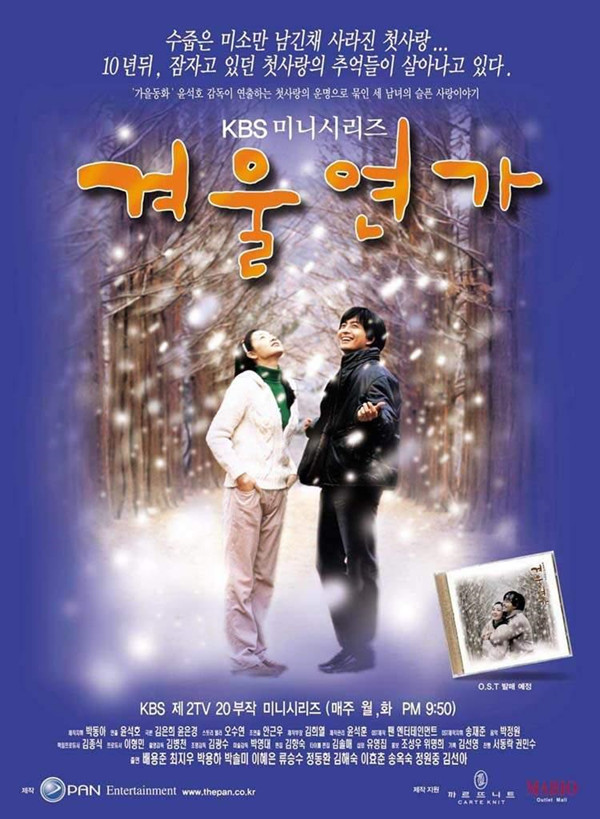
Love Song in Winter: Remember the surging Korean Wave?

  Editor’s note: This is a nostalgic theater.

  Since the late 1990s, Korean pop songs and film and television works have swept across the country. At that time, China media vividly named this phenomenon "Korean Wave". In fact, this unique noun also contains many derogatory meanings. Many people regard it as a cultural invasion of South Korea, and the voice of "boycott" is endless. When it comes to the "culprit", this Winter Love Song is absolutely indispensable.

  BYJ, a different teacher-nurse killer.

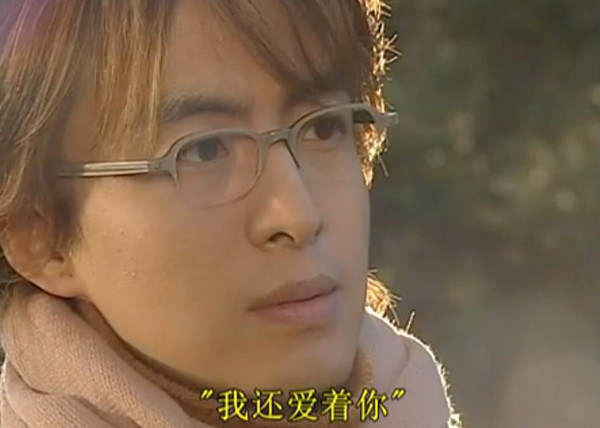
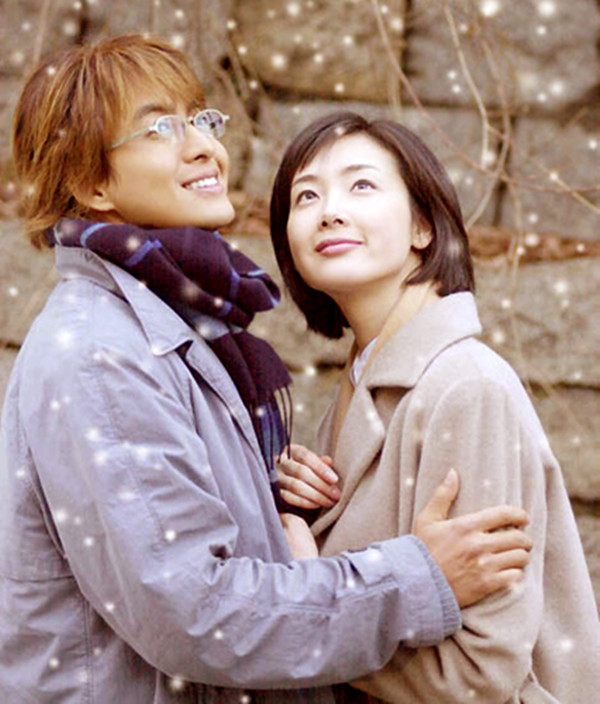
  Speaking of "Winter Love Song" broadcast in 2002, apart from the extremely beautiful snow scene, the actor BAE Yong-joon is undoubtedly the most impressive to the audience. Unlike today’s situation where fans have their own good hearts, he almost achieved a kill. The title of "teacher’s milk killer" is by no means a hollow reputation.

  How popular is BYJ in Asia? Japanese Prime Minister Shinzo Abe’s wife, Akie Abe, is a standard Korean drama fan. According to media reports, her favorite Korean drama is Love Song in Winter, which is also the ashes of the leading actor Bae Yong-joon. The Japanese drama "The Battle of Marriage Proposal" (2007) once described the popularity of BYJ in Japan that year. In the Japanese drama "The Companion of Justice" (2008), whenever the protagonist fantasizes about love, the soundtrack of "Winter Love Song" will be played. In the Thai film Hello Stranger (2010), the heroine ran to take a photo with the statue of Bae Yong Jun. It is no exaggeration to say that in that year, Bae Yong-joon alone brought a wave of wearing glasses, tying scarves, dyeing men’s hair and traveling in South Korea throughout Asia.

  To be fair, Bae Yong-joon is not a "handsome man" in the traditional sense. Regarding his face value, it is purely a matter of different opinions. But he has his own unique flavor, which boils down to maturity, warmth and affection. Different from today’s small fresh meat, Li Minheng played by Bae Yong-jun is not a "overbearing president" or a "rich young master". Bae Yong-jun’s performance style makes the audience feel more cordial and comfortable. From the shape of a scarf with glasses to a faint smile (not a crazy and cool evil smile), he always leaves a reliable and reliable image.

  Bae Yong-joon became affectionate, which killed the female audience. The general routine of love idol drama is the complicated relationship between the characters and the multi-angle love situation caused by them. In short, the more you cut it, the more chaotic it is. The more chaotic the scene, the greater the drama tension. But "Love Song in Winter" doesn’t follow the usual path, whether it’s Bae Yong-joon or Cui Zhiyou, they only have each other in their hearts and are faithful. The swing and entanglement that are common in idol dramas do not exist in this drama. If the hero doesn’t like the second girl, he will definitely break up with her and never drag his feet. Every step he takes is for the sake of the hostess.

  Remember that Polaris necklace in the play? The hero played by Bae Yong-jun expressed his affection to the heroine with it. "All the other stars have changed their positions, and the Polaris will still be in the same place. When others don’t understand you, don’t forgive you, or even leave you, as long as I stay in the same place, you won’t get lost." Hearing this, coupled with BAE Yong-jun’s affectionate eyes, the female audience at that time could not stand it. At the end of the play, the man kept his promise and finally built a house for his beloved, and waited silently. I would like to ask, who doesn’t want to get such a warm home all over the world?

  In retrospect, Doumyouji Tsukasa, played by Jerry Yan, was a rebellious and naive big boy in the same period’s popular idol drama Meteor Garden. In this way, it is not surprising that BYJ can win the hearts of female fans of a wider age.

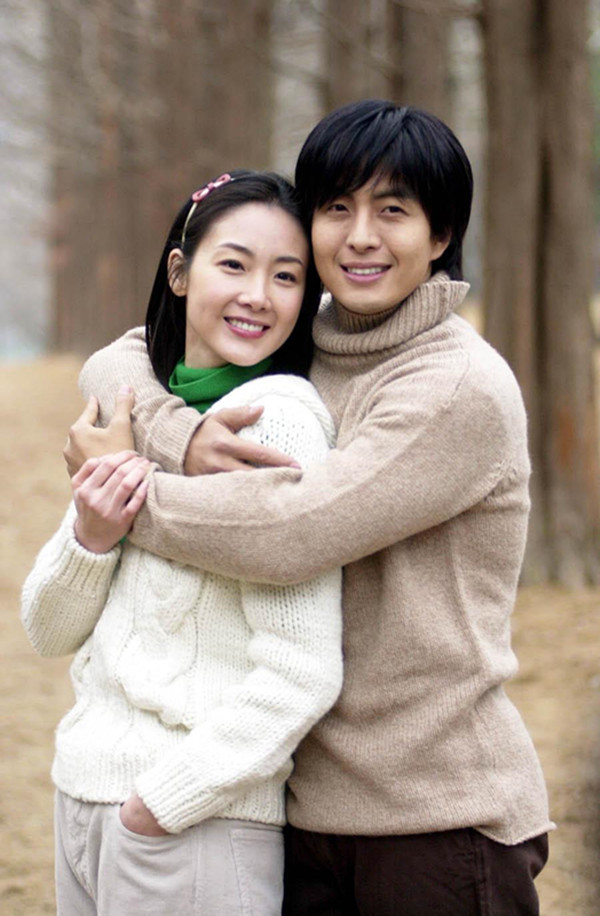
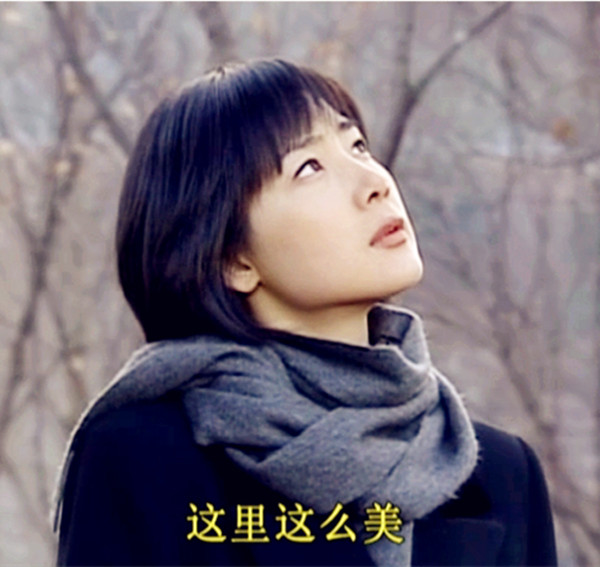
  Cui Zhiyou and Bae Yong-jun, the protagonists of Winter Love Song.

  The Origin of Three Treasures in Korean Drama

  Anyone who is a fan of Korean drama will know the "three treasures" of Korean drama: terminal illness, car accident and amnesia. I really don’t want to say that "Winter Love Song" has put them all together.

  Only a few episodes after the opening, the hero Jiang Junshang suffered a car accident, which made Wei Zhen mistakenly think that he was dead, which directly caused their first separation. What is more tragic is that the hapless man has lost his memory. This is one of the dog blood reversals. However, if it weren’t for this, there wouldn’t be so many stories to tell when they met many years later.

  Just as everything is developing in a good direction, seeing that lovers are about to get married, Jun Shang found a venous hematoma in his head and lost his sight. In order not to drag Wei Zhen down, Jun Shang is determined to let her go to study abroad and finish her unfinished dream while she is still visible — — Draw a sketch of the ideal house. This is the second reversal of dog blood.

  Of course, the reversal of the most dog blood is still beyond the three treasures, that is, the life experience of the man. Jiang Junshang first mistakenly thought that he and Weizhen were brother and sister, which almost completely ruined love and made the audience in front of the TV fall into despair. After a long time, he finally found that he and his male rival are brothers. Seriously, the emotional entanglements of the parents of these protagonists are enough to make another Korean drama. All in all, a "Winter Love Song" has almost all the elements of dog blood that we can think of, and now it is really emotional to recall.

  But at that time, most of the audience did not give up the play because of the above exaggerated settings. On the contrary, everyone still watched it with relish. Why is this? Probably because the feelings between the hero and heroine are too sincere and touching. To this day, Bae Yong-joon and Cui Zhiyou are still the best Korean drama screen lovers. It seems that nothing can stop this pair of bad karma Yuanyang except unpredictable external factors, which finally makes all kinds of stalks that the screenwriter has pondered over come into play.

  The most crucial point is that no one expected that these dog blood settings would become the routine operation of Korean dramas in the future. The so-called extremes meet, too much and too much use will naturally make the audience disgusted, but this may not be the fault of the three treasures of Korean drama.

  The Impact and Decline of Korean Drama Culture

  Jealousy in 1993 was probably the first Korean drama to appear on China’s screen in history, but it didn’t arouse much response. In 1997, What is Love was broadcast on CCTV, which also left a deep impression on a generation of China audiences. Later, dramas such as look for a star, Life and Death in Blue, Stairs to the Kingdom of Heaven, Romance Full House and Dae Jang Geum came one after another, which, like Ode in Winter, became a generation of classics.

  Why can Korean dramas once be popular and even become a cultural phenomenon? You know, in terms of aestheticism and bitterness, our aunt Qiong Yao is also too generous. The success of Korean dramas is the first time for Chinese people to see the strength and rigor of the TV drama industry assembly line. In 1998, the Ministry of Culture and Tourism of Korea set up the Cultural Industry Bureau to manage and support the domestic cultural industries such as TV and movies, paving the way for the industrialization of Korean dramas. At the end of May 2012, the "Korean Wave Export Impact Analysis and Financial Support Program" published by the Overseas Economic Research Institute of the Export-Import Bank of Korea showed that every $100 increase in the export of Korean cultural industries would increase the export of Korean goods by $412. It can be seen that South Korea once really regarded the production of Korean dramas as a major cause of cultural output.

  As the export object of Korean dramas, China audiences have a good impression on them. As "Love Song in Winter" shows, there are not only love that conforms to East Asian culture and aesthetics, but also fashion elements that domestic TV series did not have at that time. The shapes and costumes of Bae Yong-joon and Cui Zhiyou were once imitated by young people. The theme song sung by Yong-ha Park always rings at the right moment, and it is also covered by Jeff Chang Shin-Che. Needless to say, "Love Song in Winter" tries its best to show the beautiful and prosperous side of Korean cities. The above factors are superimposed together, creating a beautiful dream for China audience, especially urban men and women.

  But as long as it is a dream, it will wake up after all. With the broadening of China audience’s horizons and more diverse choices, the popularity of Korean dramas has faded unconsciously. This may also have something to do with the defects of Korean dramas themselves. In fact, in addition to the three treasures that people often spit out, the procrastination and verbosity of Korean dramas themselves have always been criticized. The length of the 26 episodes of Winter Love Song is not long, but there are still many paragraphs that make people feel sleepy. In the last few episodes, Cui Zhiyou’s teary-eyed close-up appeared repeatedly for N times. Even if the audience knows how to cherish the fragrance and cherish the jade, it will inevitably lead to aesthetic fatigue.

  On the morning of June 30th, 2010, Yong-ha Park, the male No.2 in Winter Love Song, was found by his mother to commit suicide in his room, at the age of 33. His passing seems to indicate that the Korean Wave that once swept through China is gone forever. And first hero’s Bae Yong-joon, also aware of the truth, gradually faded out of the film industry and transformed into a producer and the boss of a listed company. Kim Soo Hyun, the favorite "Professor Du" of China fans, was cultivated by him. Love Song in Winter is gradually buried in the memory of China audience.

  Nowadays, Korean dramas have basically abandoned the route of simple bitterness, and the theme is broader. There are romantic love works such as You from the Stars, Descendants of the Sun and Ghosts, as well as the series Please Answer about the lives of ordinary people, The Secret Forest, which reflects the power struggle, Live, which depicts the daily life of the police, and the black comedy City in the Sky, all of which are excellent works in Korean dramas in recent years. "Mourning" and "Diablo" have unconsciously become the new labels of Korean dramas. Looking back, those "Winter Love Songs" were really "silly and naive".

  But just like everyone’s youth, the purity and truth in Winter Love Song may be the most memorable.

Hook Shen | 30 years ago, the prize was a 14-inch color TV set for each person.

It has been 12 years since the "Fengyun Zheshang" was held in 2003, and Lu Guanqiu and other Zheshang "big bosses" have stood on the podium. CFP data

        On the evening of January 21st, the results of the 2014 "Fengyun Zheshang" selection were announced in Hangzhou.

        "Fengyun Zheshang" is the highest honor of Zhejiang businessmen who are "the first business group in China", and its award ceremony has become an annual event of Zhejiang business circles. It has been 12 years since it was held in 2003, and Lu Guanqiu, Zong Qinghou, Nan Cunhui, Ma Yun, Guo Guangchang and Li Shufu have all stood on the podium.

        However, this is not the earliest selection of entrepreneurs in Zhejiang. The Paper (www.thepaper.cn) verified that on January 20, 1985, Zhejiang held a prize-giving conference for the selection of factory directors (managers) who were praised by thousands of people, and 15 factory directors (managers) were elected, including Lu Guanqiu, the current chairman of the board of directors of Wanxiang Group and then the director of Hangzhou Universal Joint Factory.

        This is not only the first selection of entrepreneurs in Zhejiang, which was also called "business operators" at that time, but also the first similar selection in China, which was three years earlier than the first selection of "China’s outstanding entrepreneurs" sponsored by the former State Economic Commission and left a strong impression in the history of reform and opening up.

        "Since then, entrepreneurs, the most outstanding representatives of Zhejiang’s new wealth class, have really come into our field of vision as an increasingly powerful social force, and after more than 10 years, they have gathered to become the unique business culture concept of’ Zheshang’ in China." Hu Hongwei, a famous financial writer, commented on this selection in his book "Model Students in China-A Complete Record of Zhejiang’s 30 Years of Reform and Opening-up".

        Today, among the 15 benchmark figures of that year, Lu Guanqiu is still fighting in the front line.

Now it is called "Fengyun Zheshang", and the title at that time was "Ten thousand people praised the factory director"       

        In December 1984, Zhejiang Enterprise Management Association, Provincial Factory Director Research Association and Zhejiang People’s Broadcasting Station launched the selection of "Ten Thousand People Praise" factory directors (managers) in Zhejiang Province. A total of 63 factory directors and managers participated in the selection.

        Different from the various kinds of evaluations now, these factory directors and managers can be described as "real knives and guns". According to Zhang Guizhi, former deputy director of Zhejiang Radio and Television Department and director of Zhejiang People’s Broadcasting Station, 63 people gave a five-minute radio speech on the morning news and newspaper summary and the evening news broadcast of the whole province to introduce the reform experience and plans.

        The event received a strong response and received nearly 59,000 votes in less than one month. At that time, the main leaders of the provincial party Committee specifically talked about it at the enlarged meeting of the provincial party Committee plenary session: "Recently, a million people praised the selection of factory directors (managers) held by the provincial radio station, and a large number of factory directors gave speeches. Some of these people have diplomas, and many of them have no diplomas, but they are also talents."

        On January 20, 1985, the selection activity held an award-giving conference, and 15 factory directors and managers with more than 10 thousand votes were elected. According to the verification, they are:

        Bu Xinsheng, Director of Haiyan Shirt General Factory;

        Feng Gensheng, director of Hangzhou No.2 Chinese Medicine Factory;

        Lu Guanqiu, director of Hangzhou Universal Joint Factory;

        Zhang Siming, director of Hangzhou Iron and Steel Plant;

        Tao Defu, director of Hangzhou Rubber Factory;

        Luo Qilin, director of Shangyu County Environmental Protection Equipment General Factory;

        Lu Xianshun, director of Hangzhou Refinery;

        Yin Xiangquan, director of Lanxi Chemical Plant;

        Fan Haibo, Deputy Director of Ningbo Water Meter Factory;

        Zhang Zhenqi, director of Jiaxing Minfeng Paper Mill;

        Wang Siai, director of Pingyang Chemical Plant;

        Yu Jianming, manager of Hangzhou Second Light Industry Corporation;

        Luo Qi, director of Jiangshan Cement Plant;

        Zheng Yangsheng, director of Hangzhou Machine Tool Plant;

        Li Xinlong, director of Changxing Cement Plant.

        Among them, Bu Xinsheng topped the list with 54,000 votes, and Lu Guanqiu got 43,000 votes. Bu Xinsheng, Feng Gensheng and Lu Guanqiu, which rank in the top three, respectively come from urban collective enterprises, state-owned enterprises and township enterprises.

        It has been 30 years since 1985. Let’s take a look: where is the predecessor of Zheshang’s "Big Brother" 30 years ago?

        Around 1985, Zong Qinghou was still selling pollen oral liquid for health care products factory-he didn’t set up Wahaha Children’s Food Factory, the predecessor of Wahaha Group, until 1987; Nan Cunhui, who was born as a shoemaker, set up a workshop-style Kai Guanchang in a broken house last year; This autumn, Guo Guangchang, an 18-year-old country boy, took the train for the first time, and his destination was Fudan University. After two failures in the college entrance examination, Ma Yun was admitted to the Foreign Language College of Hangzhou Normal University last year, because the undergraduate course was not full and he was lucky enough to squeeze into the undergraduate course. Li Shufu, who was in his early twenties, didn’t have the idea of "building a car". At that time, he was the director of a refrigerator parts factory in Huangyan County, Taizhou.       

The iconic 1984 and former "reform idol" Bu Xinsheng.       

        Why did Zhejiang hold the "ten thousand people praise" factory director (manager) selection? Due to the long history, The Paper did not find more direct historical materials. However, it is not difficult to understand if it is related to the macro background at that time.

        There were several important events in 1984:

        At the beginning of the year, Deng Xiaoping visited Shenzhen and Zhuhai, the special economic zones, and the opening pattern of China spread rapidly. In April of that year, the central government decided to open the first batch of 14 coastal cities, including two in Zhejiang: Ningbo and Wenzhou.

        On March 24th, the appeal of 55 directors of key state-owned enterprises in Fujian, Please untie us, was published in Fujian Daily, which became the most sensational enterprise event of that year. This is the first time that China entrepreneurs have publicly appealed to the capital side-government departments on the autonomy of operators. Later, March 24th was once named "China Entrepreneur Activity Day". This call soon became a consensus. In May, the State Council issued the Interim Provisions on Further Expanding the Autonomy of State-owned Industrial Enterprises.

        In May, the "Seminar on World New Technological Revolution Wave and China Reform" organized by non-governmental organizations was held in Hefei, and Weng Yongxi, secretary of Fengyang County Party Committee at that time, Bu Xinsheng, director of Jiaxing Haiyan Shirt Factory, and Wang Zepu, director of Anshan Seamless Steel Tube Factory were invited. The conference was circulated under a resounding name: "National Reformers Conference".

        From September 3 to 10, the first national symposium for young and middle-aged economic scientists was held in Moganshan, Zhejiang Province, known as the "Moganshan Conference". This conference was later called "a groundbreaking event in the history of economic reform thoughts", which provided many important ideas for the reform in the 1980s, the most famous of which was the price dual-track system of "combining release with adjustment".

        On October 20th, the Third Plenary Session of the 12th Central Committee of the Communist Party of China was held. The Decision of the Central Committee of the Communist Party of China on Economic System Reform adopted at the meeting broke through the traditional concept of opposing planned economy and commodity economy, and put forward that socialist economy is a planned commodity economy on the basis of public ownership.

        A series of major events aimed at breaking the deadlock in reform made 1984 a landmark year in the history of China enterprises, with a special temperament and full of imagination. In the future, many companies were born in this year, including Haier, Vanke and Lenovo. In 1984, it was called "the first year of China Hyundai Company".

        In Zhejiang, in order to implement the central government’s decision on economic system reform, "two reforms and two opening-ups" have been identified as the main tasks of economic work, that is, economic system reform and technological transformation, as well as opening up to the outside world and developing marine and human resources. According to the report of Zhejiang Daily on December 30, 1984, when the provincial leaders listened to the report of the provincial planning work conference, they said that in the economic system reform, we should firmly grasp the center of enhancing the vitality of enterprises, "not only township enterprises, collective enterprises and small state-owned enterprises should be further invigorated, but also large and medium-sized enterprises for the whole people." He also said that respecting knowledge and talents is the key to doing a good job in economic construction. "We should fully develop human resources and boldly use a group of talents with knowledge, management and pioneering spirit."

        Bu Xinsheng was born around 1984, which should also be an important reason for Zhejiang to hold the selection of factory directors (managers) who were praised by thousands of people.

        Bu Xinsheng, director of Haiyan Shirt General Factory, was the most famous "reform director" and "reform idol" in China in the early 1980s. He became popular in 1983. In 1984, the "Bu Xinsheng fever" reached its climax. From March 9 to April 15, Xinhua News Agency alone broadcast 27 articles about him, accounting for more than 30,000 words. Mu Qing, then president of Xinhua News Agency, said afterwards that the breadth and intensity of Bu Xinsheng’s nationwide publicity was second only to that of Jiao Yulu and Lei Feng. Bu Xinsheng was elected as the "Special Invited Committee Member" by Chinese People’s Political Consultative Conference, and the cloth cutting scissors he used were included in the Museum of Chinese History. The pilgrims coming from all over the country almost blocked the narrow sand road leading to Haiyan County, with a maximum of tens of thousands of people a day. It is even stipulated that only cadres at or above the bureau level can meet Bu Xinsheng, and others can listen to the recording.

        At that time, one year later, Lu Guanqiu, who was on the list at the same time as Bu Xinsheng, was also "dwarfed" compared with the former. In May, 1984, Lu Guanqiu got into the van and went to Haiyan Shirt Factory to "visit and study".

        Hu Hongwei wrote in "China Model Student": The factory gate was crowded with visitors who were anxious to be interviewed, and Lu Guanqiu’s van was naturally stopped by the guard: "The factory director is very busy today." After several negotiations, the guard let go: "Otherwise, you can drive around the factory and breathe the air here, which is considered to be a study."

        Fortunately, a reporter from Zhejiang Daily, who is familiar with Lu Guanqiu, walked out of the factory. Under the introduction, Bu Xinsheng waved his hand: "Then meet."

        Shake hands and sit down. Bu Xinsheng said, "Reform is needed. Now, state-owned enterprises, such as pigs, have to be fed by others; Our collective enterprises are like chickens. When it’s good, someone scatters rice for you, and when it’s bad, you have to find your own food. Your township enterprises, like dogs, have always been born to raise … "       

Lu Guanqiu was "liked" by the supreme leader: always leading the trend.       

        Many years later, Lu Guanqiu and Feng Gensheng, who were among the top three directors (managers) who were praised by thousands of people, still remember this selection vividly.

        In July 2002, Hangzhou held a conference to revitalize the city through industry. Lu Guanqiu, Feng Gensheng and Zong Qinghou were awarded 3 million yuan by the municipal government. At the end of the year, three people and Mao Linsheng, the then mayor, attended the "Dialogue" program of CCTV Economic Channel.

        In the program, Lu Guanqiu took the initiative to talk about the selection in 1985. He said that among the awards he won over the years, he was most impressed twice: once, he was awarded 87,000 yuan for contracting in 1983. "At that time, I didn’t dare to take it, and I took 10% and 8,700 yuan. The excess part is handed over to the school, and the school is run "; The other time was the 14-inch color TV awarded by the director (manager) of "Ten Thousand People Praise".

        Lu Guanqiu revealed that he didn’t take the color TV home, but sent it to the dormitory of college students in the factory. "On the one hand, I didn’t dare to take it home because I didn’t have this ability at that time; Second, college students must have a good environment if they want to stay. "

        Feng Gensheng did take the color TV home, but according to him, the 14-inch color TV was very rare at that time. "I can’t bear to use it when I take it home, but I want to use it when my children get married." Because I was afraid of being stolen, I hid the TV under the bed.

        But this color TV didn’t come in handy in the end. "After three or four years, the 14-inch color TV was eliminated-our country has changed too much. Up to now, this color TV reduction box has been kept as a souvenir. " He said.

        Bu Xinsheng, Feng Gensheng and Lu Guanqiu have different experiences after being praised by thousands of people.

        As "the most famous director of reform in China", Bu Xinsheng started the "Great Leap Forward" and set up a "one-stop clothing production trust". But behind the glory are endless troubles: the project of the suit factory has been delayed for a long time, a large number of ties are overstocked, and the capital chain is broken. It seems that the reform experience that has been brilliantly preached in countless reports is not effective. In 1988, due to the blind expansion of scale and insolvency of enterprises, Bu Xinsheng was removed from office.

        After the "myth" was shattered, Bu Xinsheng still tried to prove himself. One month after he was removed from office, he left his hometown without saying goodbye to anyone. Start a business in Shanghai first; Then go north and contract a loss-making clothing factory in Beijing; Then go out to Panjin, Liaoning, and even drift to Russia. Since then, this faded "reform idol" has gradually become a historical term that sometimes evokes people’s memories. The former Haiyan Shirt Factory has now become a residential area.

        In 2001, Bu Xinsheng was diagnosed with kidney cancer, had his kidney and spleen removed, and retired from business. He chose Shanghai as his residence, not Haiyan, because it would remind him of too many past events.

        But in 2014, he changed his mind and decided to return to his hometown to settle down. In June this year, the 80-year-old man was filled with emotion at the related ceremony held in his hometown: As the saying goes, a tree soars, and its leaves fall to its roots …

        Feng Gensheng was elected as the first "National Outstanding Entrepreneur" in 1988. After that, it has repeatedly become the focus of news: in 1991, in the face of numerous examinations for factory directors of state-owned enterprises, it announced a "strike", which set off a "strike storm" that shocked the whole country; In 1992, suffering from the difficulties of the mechanism, he established China Qingchunbao Group, introduced Thailand Zhengda Group, and established Zhengda Qingchunbao Pharmaceutical Co., Ltd. with Hangzhou No.2 Chinese Medicine Factory as a joint venture, with foreign capital holding, which was a "foreign dress incident" for the bees. In 1998, Qingchunbao took the lead in promoting employee stock ownership. Feng Gensheng had to hold 2% of the shares, which was converted into RMB 3 million. However, his income could not afford it at all, which led to the "Feng Gensheng problem" of "whether 3 million individual shares should be held".

        In 2010, Feng Gensheng retired at the age of 76. He has been in charge of the enterprise for nearly 40 years, and is the longest-serving leader of state-owned enterprises in China, winning the reputation of "evergreen tree". At the annual award ceremony of "Fengyun Zheshang" in January of the following year, he was awarded "Meritorious Zheshang".

        Of the three people, only Lu Guanqiu is still active in shopping malls, and Wanxiang Group founded by him has developed into a multinational enterprise with more than 30,000 employees.

        Lu Guanqiu, who is 70 years old, is not strong enough. He is aiming at new energy, especially the field of new energy vehicles. In July last year, Lu Guanqiu said at a meeting celebrating the 45th anniversary of Wanxiang’s pioneering work, "We must concentrate our efforts, give full play to our full potential, increase investment and speed up, and build a stronger technological advantage and an international industrial platform on the basis of traditional manufacturing capabilities, so as to truly form the rising trend of clean energy and occupy the commanding heights of industrial development."

        On the eve of May 1, 2013, the Supreme Leader mentioned Lu Guanqiu at the National Forum of Model Workers: "Comrade Lu Guanqiu is our first batch of township enterprise reformers, and he is still at the forefront of reform. Forty years have passed, and many people have come along with him like this, and it is also a big wave to wash sand. Now look, how many people were there in that period? I have worked in Zhejiang, and Comrade Lu Guanqiu is reasonable in accordance with the law, modest and prudent, and has always kept a pragmatic low profile and kept pace with the times. He has always pondered Wanxiang, and until now, Wanxiang has always been in a leading position. "


Details of the corruption case of Xi’ an subway office are exposed: central enterprises pay bribes with public funds, and businessmen are asked for gold bars.

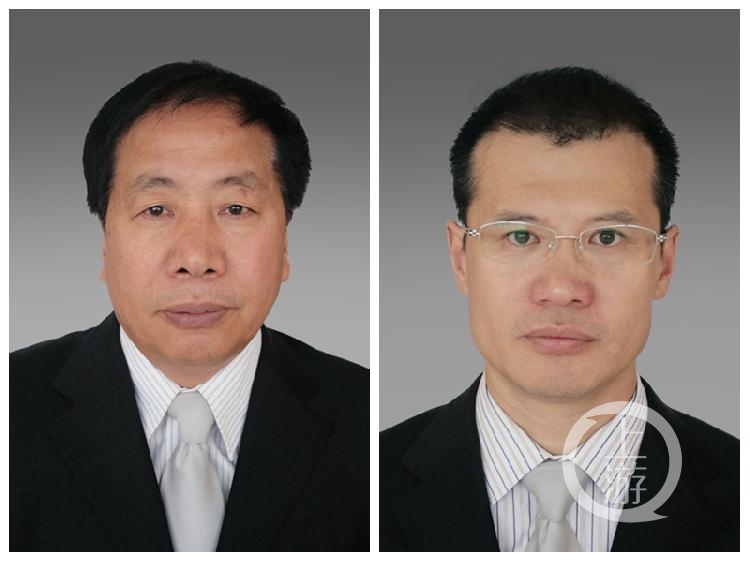
Recently, the upstream journalist (reporting micro-signal: shangyounews) learned from China Judgment Document Network that Wang Zhiqiang and Tang Hongbo, two deputy directors (deputy general managers) of the former Xi ‘an Metro Construction Command Office (hereinafter referred to as "Xi ‘an Metro Office"), were sentenced to five years’ imprisonment and fined 500,000 yuan in the first instance for accepting bribes.

Wang Zhiqiang (left) and Tang Hongbo (right), former deputy directors of Xi ‘an Metro Office. Official website Data Map of Xi ‘an Metro

Wang Zhiqiang was found to have taken bribes totaling 2.2 million yuan, of which 1.8 million yuan was paid by the project managers of three central enterprises involved. Tang Hongbo was found to have accepted benefits from others, demanded property from others and asked others to decorate his house, equivalent to 1,797,645 yuan.

Up to now, there are three director-level officials involved in the corruption case of Xi ‘an subway. On August 1, 2017, Chen Dongshan, former deputy director of Xi ‘an Municipal People’s Congress Urban and Rural Construction Environmental Resources Protection Committee, former director of Xi ‘an Metro Office and former general manager of Xi ‘an Metro Company, was arrested on suspicion of accepting bribes.

According to the statistics of upstream news, up to now, many people involved in the corruption case of Xi ‘an subway have been sentenced. In addition to Wang Zhiqiang and Tang Hongbo, Feng Ruixiang, the former director of the Electrical Products Testing Center of Xi ‘an Product Quality Supervision and Inspection Institute, was sentenced to six months in prison and fined 100,000 yuan for accepting the shopping cards and cash of the heads of Shaanxi Okay Cable Co., Ltd. and other companies. Du Moumou, former deputy director of the mechanical and electrical equipment department of Xi ‘an Metro Company, was sentenced to two years’ imprisonment and fined 200,000 yuan for accepting a thank-you fee of 400,000 yuan from Wang, an agent salesperson of Changjiang Hi-Tech Cable.

Three central enterprises offered 1.8 million yuan in cash to bribe Wang Zhiqiang, which was listed as public expenditure afterwards.

In March 2017, a net post reported that there was a problem with the cable of Xi ‘an Metro Line 3, which caused public concern. The Xi ‘an Municipal Government held a press conference to announce that the five specifications of cables used in Metro Line 3 and produced by Shaanxi Okay Cable Co., Ltd. were all unqualified.

A month later, an employee who claimed to be a subway company reported online that Wang Zhiqiang, deputy director of Xi ‘an Metro Office, was involved in bribery in project contracting, and illegally contracted more than ten subway export sites such as SpringJinqiao, Laodong Road and Anyuanmen of Xi ‘an Metro Lines 1, 2 and 3 to individual companies. A number of commercial buildings outside the station are illegal buildings, and the developer Shaanxi Helituo seeks to carve up a huge profit of 30 million yuan every year by renting out. According to the agreement, the total amount of corruption in 20 years exceeds 600 million yuan.

According to the judgment, in December 2007, China Railway 18th Bureau won the bid for the TJSG-1 section of the civil works from North Railway Station to Zhangjiabao Station of Xi ‘an Urban Rapid Rail Transit Line 2, which was managed by Yang, the project manager of the Third Company of China Railway 18th Bureau. In 2008, during the project construction, problems such as house demolition, relocation of heating pipeline and installation of temporary transformer affected the construction progress.

In order to solve the problem quickly, Yang found Wang Zhiqiang and hoped that he could help to coordinate and solve related problems. In January 2009, Yang went to Wang Zhiqiang’s home and gave him a cardboard box containing 400,000 yuan in cash, thanking him for his help in the North Railway Station project. A week later, Yang gave him a cardboard box containing 400,000 yuan in cash near Wang Zhiqiang’s home.

Subsequently, in order to solve the problems existing in the construction of China Railway 18th Bureau, Wang Zhiqiang found weiyang district Urban Construction, Xi ‘an Thermal Power Corporation and Xi ‘an Power Supply Bureau to communicate and coordinate, and organized a site meeting on behalf of the Metro Office to solve the problems affecting the construction progress.

However, the 800,000 yuan that Yang, the project manager of China Railway 18th Bureau, gave to Wang Zhiqiang was not his personal burden. At that time, Li, the financial director of the project department of the Third Company of China Railway 18th Bureau, confirmed that the money was handed over to Yang in the name of work coordination, with 400,000 yuan each. Later, in order to make up the cash inventory, the finance department of Xi ‘an North Station Project Department of China Railway 18th Bureau collected 800,000 yuan in cash from four construction teams by borrowing, and then the project planning department listed 800,000 yuan as the project cost by pricing, which was paid to the construction teams by the finance department in the form of project funds.

China Railway 18th Bureau is not the only one who embezzles public funds and pays bribes.

In December, 2009, China Railway No.9 Bureau and China Railway No.19 Bureau Group won the bid for the civil construction of the D2TJSG-26 and D2TJSG-22 sections from the Convention and Exhibition Center of Xi ‘an Urban Rapid Rail Transit Line 2 to the south section of Weiqu, respectively. Li, then the project manager of China Railway No.9 Bureau, and Wang, then the project manager of China Railway No.19 Bureau, were in charge. The following year, due to inadequate compensation for land expropriation, the villagers collectively blocked the work, and the construction progress was affected by the demolition and relocation of the pipeline of Sanyan Station and the relocation of the tap water pipeline in the D2TJSG-22 bid section of civil construction, so they turned to Wang Zhiqiang for help.

One day at the end of 2010, Wang, the project manager of China Railway 19th Bureau, went to the Wang Zhiqiang office and talked to Wang Zhiqiang about the project. When he left, he left a bag with 500,000 yuan in cash and told Wang Zhiqiang that he hoped Wang Zhiqiang would help solve the existing problems as soon as possible.

Through the coordination of Wang Zhiqiang, the problems existing in the above two enterprises have been solved one after another, thus ensuring the contract period.

Afterwards, in order to express his gratitude and hope to continue to get Wang Zhiqiang’s care, one day before the Spring Festival in 2010, Li, then the project manager of China Railway Ninth Bureau, came to Wang Zhiqiang’s office to express his gratitude. When he left, he left two black bags with a total of 500,000 yuan in cash.

Li and Wang respectively sent out a total of 1 million yuan in bribes, all of which were public funds of the project department.

According to Wang, then deputy manager of the project department of Xi ‘an Metro Line 2 of China Railway Ninth Bureau, the project department decided to pay the money in advance by three cooperative teams after research, and then supplemented it in the contract inspection. Later, the finance department of the project department gave 500,000 yuan to the assisting unit one after another with the imaginary engineering quantity. At that time, Xing Mou, the financial director of the project department of Xi ‘an Metro Line 2 of the 19th Bureau of China Railway, also said that the 500,000 yuan sent by the project department was later listed on the financial account by falsely listing labor expenses.

Tang Hongbo asked businessmen to decorate their houses and also asked for gold bars.

Tang Hongbo, another deputy director of Xi ‘an Metro Office, also accepted huge bribes.

According to official data, during his tenure in Xi ‘an Metro Office, Tang Hongbo was mainly responsible for the construction of Metro Line 3 and the land reserve of the subway, and concurrently served as the director of the land reserve center, in charge of the first project and the land reserve office (land reserve center). In addition, it is worth noting that Tang Hongbo used to be the secretary of Chen Baogen, the former mayor of Xi ‘an.

In March 2017, after the "Okay Cable Incident" broke out in Xi ‘an subway, the Xi ‘an Municipal Commission for Discipline Inspection released a list of 12 people who were investigated for suspected violation of discipline, the first one being Tang Hongbo.

According to the judgment, in October 2011, Xi ‘an Metro Company and Shaanxi Land Real Estate Co., Ltd. signed the Equity Cooperation Agreement for the Development Project of Jixiang Village Station of Metro Line 3 to jointly develop more than 50 mu of state-owned land acquired by the demolition of Xiaozhai West Road and Hanguang Road Cross in Yanta District of Xi ‘an. The two parties agreed to jointly fund the establishment of Metro Real Estate, with Tang Hongbo as the chairman and legal representative of Metro Real Estate on behalf of Xi ‘an Metro, and Wang, the legal representative of Shaanxi Land Real Estate Company, as the general manager of Metro Real Estate. Shaanxi Land Real Estate Company is responsible for the investment of project development funds, and Metro Real Estate is specifically responsible for the project implementation.

In June and July, 2013, after the delivery of Yu Feng Xin Yuan, a commercial house in Xi ‘an purchased by Tang Hongbo, he asked Wang, the legal representative of Shaanxi Land Property Company, to design and decorate the house. Wang has arranged for the subway real estate staff to be specifically responsible for the renovation. The renovation of the house and the purchase of furniture and appliances cost a total of 228,220 yuan, and all the required funds were paid from the financial loan of the subway real estate, and the subway real estate handled the expenses.

According to the reporter, Wang is Henry Hui Wang, the former general manager of Xi ‘an Metro Real Estate. On December 25th, 2017, the Yanta District Court of Xi ‘an convicted Henry Hui Wang of embezzlement of public funds and sentenced him to five months’ detention.

The judgment of the first instance also shows that at the end of December 2012, during the implementation of the project, Tang Hongbo asked Wang to provide him with two gold bars in the name of New Year greetings. Wang used a credit card to pay 138,800 yuan, bought four gold products (100 grams each), and gave two of them to Tang Hongbo in the office.

The judgment further revealed that Tang Hongbo had helped Silian Intelligent Technology Co., Ltd. (hereinafter referred to as Silian Intelligent), a company listed on the New Third Board, win the bid for the installation and decoration of station equipment in the first phase of Xi ‘an Metro Line 3. In May and June 2015, Zhang, then the legal representative of Silian Intelligent and Tang Hongbo’s "small hair", gave Tang Hongbo a benefit fee of 1.5 million yuan.

After Tang Hongbo received 1.5 million yuan, part of it was paid for building in Huyi District of Xi ‘an, and part of it was used to buy furniture, cars and other household consumption. 

(The original title is "Details of the corruption case of two deputy directors of Xi ‘an Metro Office: central enterprises paid bribes with 1.8 million yuan of public funds, and businessmen were asked for gold bars")

After spending 300 million yuan, I finally ruined the Fairy Sword.

Original slot value and little sister slot value

"Sweating, can’t we wait until we are dead?"

Recently, there has been a new drama in the series "Fairy Sword", but the fairy sword powder that heard the news was expected at first and collapsed after reading it.

On January 17th, "Fairy Sword IV" premiered, and on the 18th, "Pray for the Present (Fairy Sword VI)" premiered.

The original thought of "Fairy Sword IV" and "Pray for the Present (Fairy Sword VI)" has predecessors’ proofing, even if it is not so good, it is probably not bad.

However, after the story goes online, the reality is-

One was ridiculed by the audience that "you can’t make a good show with 300 million funds";

One was thanked by netizens for "it is your last kindness not to use the name of" Fairy Sword ".

Even Youku, who holds the copyrights of classic "Fairy Sword I" and "Fairy Sword III", came out to pour oil and announced that "Fairy Sword 135 will be exempted immediately".
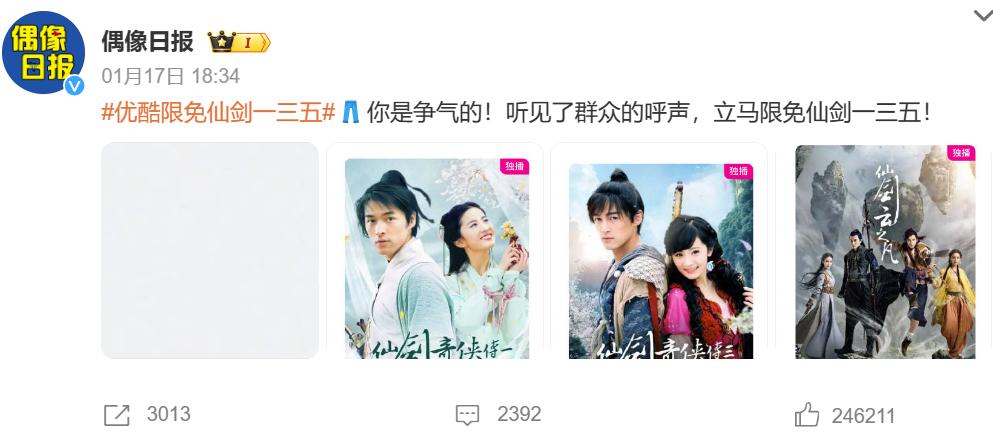
"You can watch the new drama here, and I’ll go and relive" Xian Jian Yi "for another hundred million times."

Last time, the upsurge of revisiting "Xian Jian Yi" rose, or it was because of the news that the play was going to be remake on the Internet.

At that time, in just a few days, the douban score of "Xian Jian Yi" soared from 8.8 to 9.1.
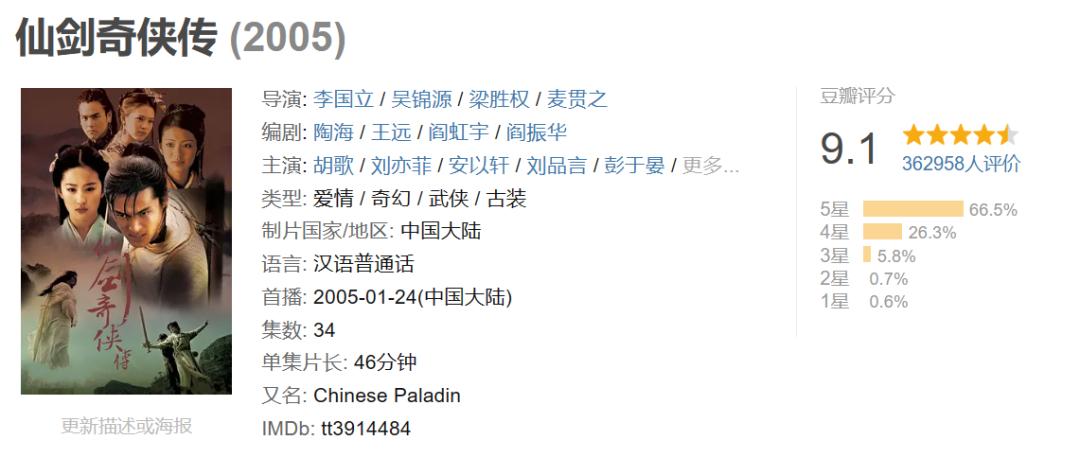
This score has been maintained until now, and the number of people scoring this drama has increased by 10w+

It seems that there is no drama fan who is more "long-lasting" than "Xian Jian Yi": up to now, it has been 19 years since the TV series was launched and 28 years since the Xian Jian game was released.

In the long years, why has this drama always occupied a place in the hearts of the audience?

In addition to the leading role group mentioned again and again, those supporting actors who are hard to understand may be the core meaning that the audience will never forget.

The supporting role of immortals in "Sword One"

If you ask how successful "Xian Jian Yi" is in shaping the role, the answer may be: not only the official match, but also every pair of combinations is good; Not only men and women, but also every character is three-dimensional.

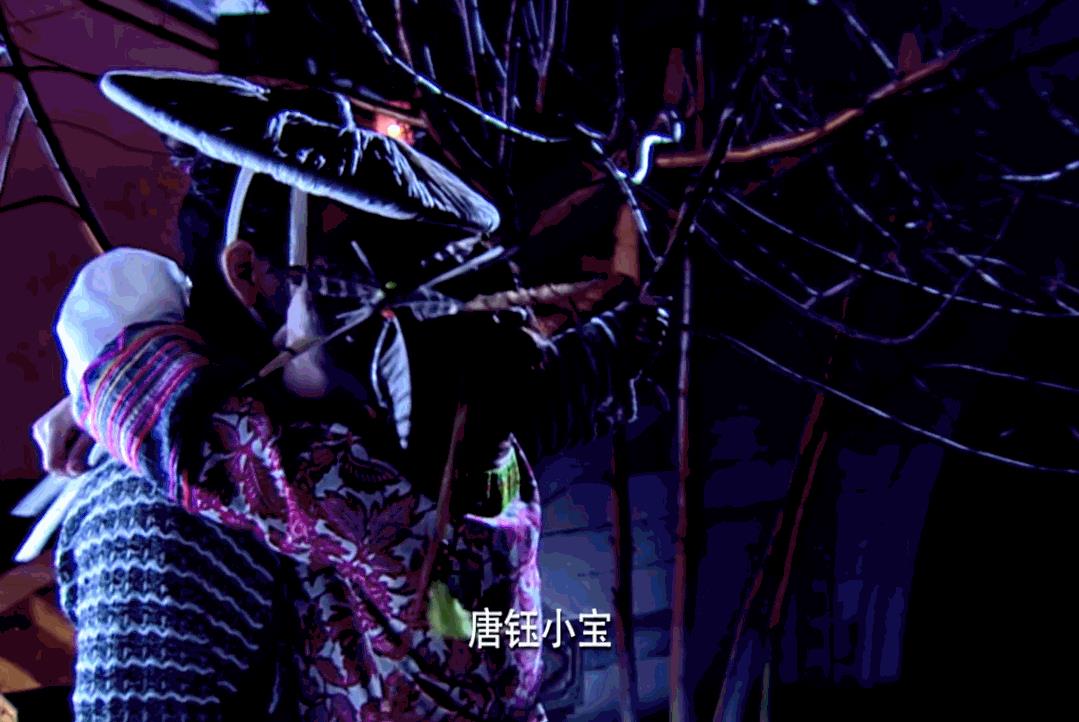
For example, Anu and Tang Yubao who contracted many people’s tears.

Anu’s elves are cute, and Tang Yubao is dull and silly. One makes trouble everywhere, and the other is spoiled and cleans up the mess.
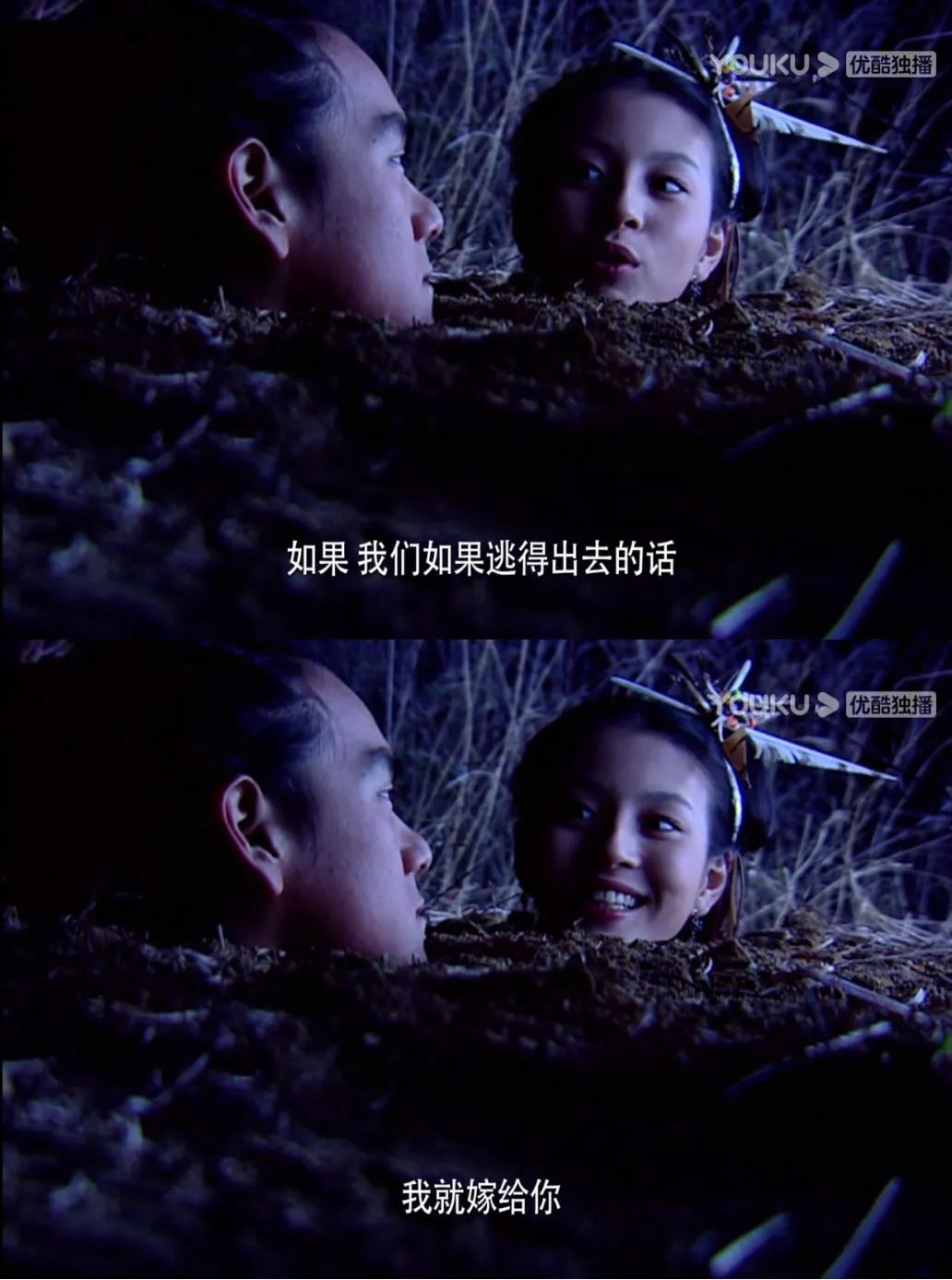
Their love, there is no sky falling apart, only you are making trouble, I am laughing, accompanying each other and never giving up.

Such happiness, I would like to ask which reader is not moved.
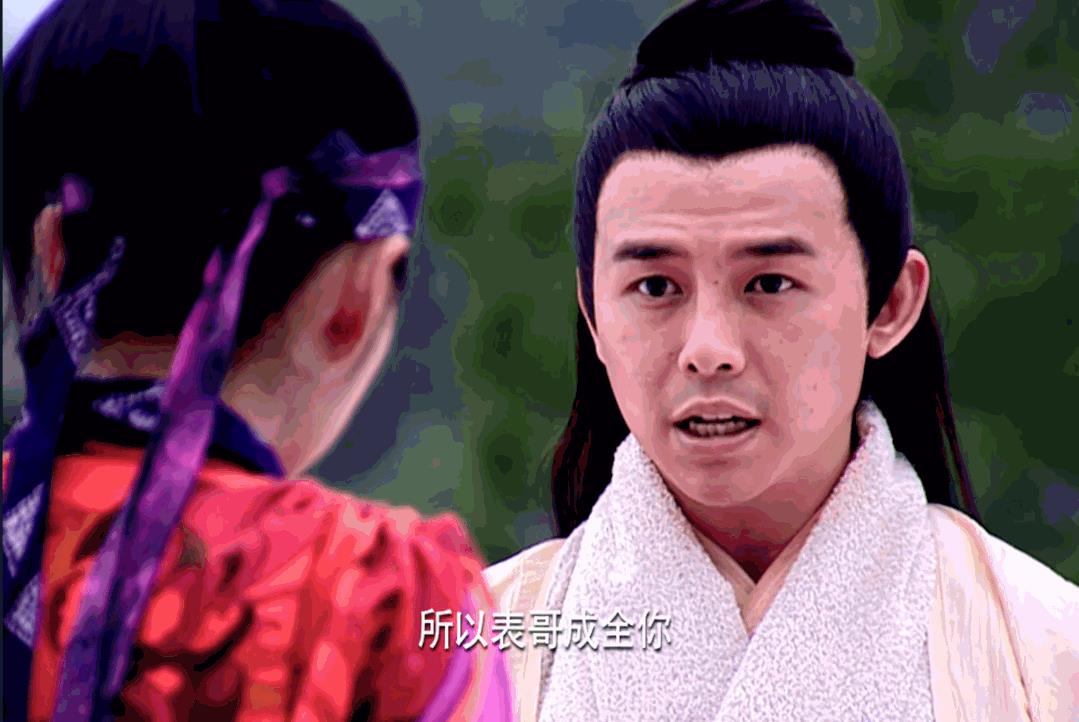
Let’s talk about another spoony, my cousin Liu Jinyuan.

I am infatuated with my cousin Lin Yueru, but I dare to take to my cousin’s tournament to attract relatives.

Although he is a scholar, he is not sour. He can drink sanhua with his master Li Xiaoyao and break his leg for his cousin’s words.

Infatuated but not lost, the phrase "it is better to know each other than to love each other" has fulfilled my cousin and myself.
"Royal sword with the wind, in addition to the magic between heaven and earth, there is wine, no wine I also jump.

A drink to sacrifice the river, and then a drink to swallow the sun and the moon, a thousand cups of drunkenness, only my wine sword fairy. "

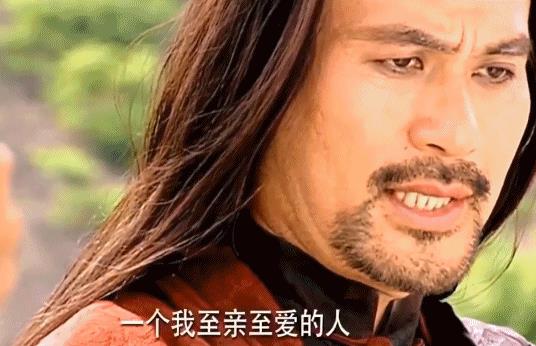
It is Jiu Jianxian who is bohemian, and Mo Yixi who is obsessed with love.

Every time there is a Xian Xia drama on the line, there will always be an audience who will sigh: "It’s hard to see such a unrestrained and charming wine sword fairy."
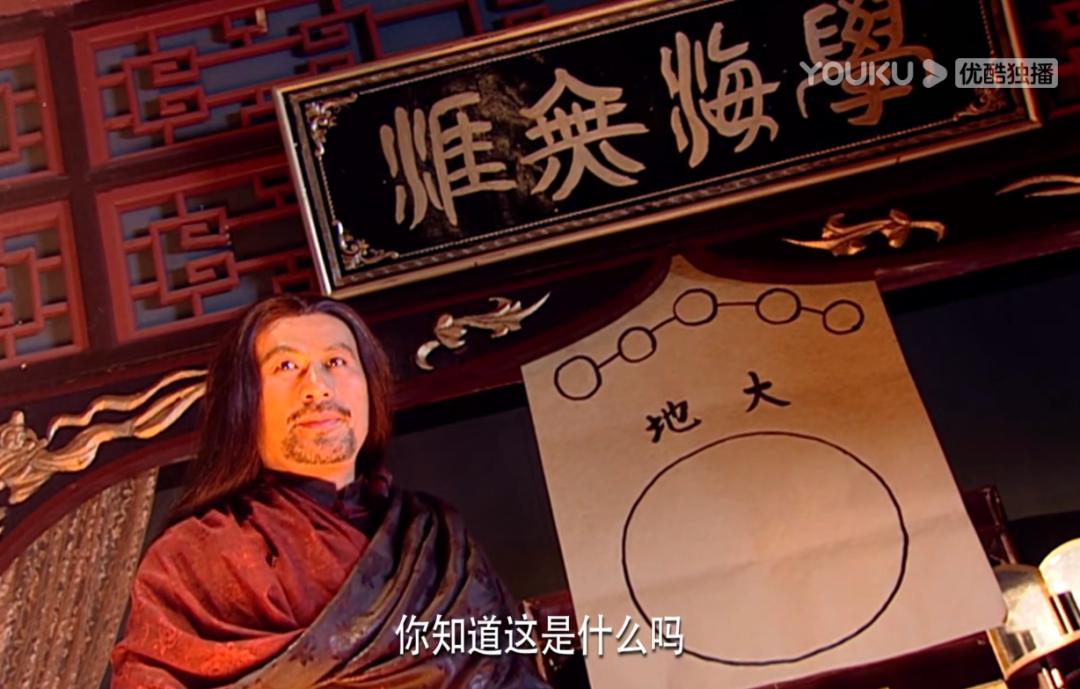
Do you know what this is?
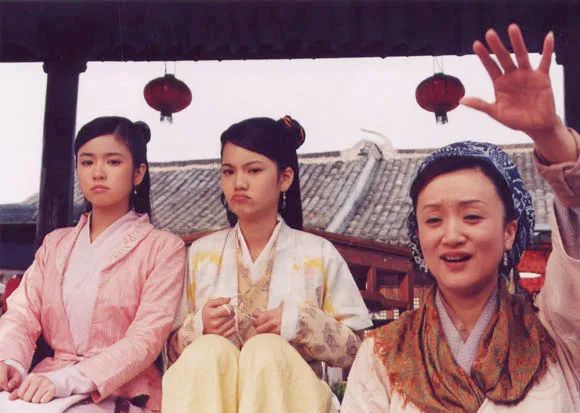
Other bit part in the play are worth pondering.

Chasing my aunt who runs around town all day, visitors kill her, steal vegetables and eggs, and cheat her, just like a "ghost woman in Luo Cha".

Such a person, however, was once a heartthrob in the Jianghu. He sacrificed his youth and raised himself alone. Even he opened an inn to let Xiaoyao’s parents find them.
There are also a short-lived snake demon and fox demon couple who eat people’s hearts in order to become human, and are willing to give up their lives for each other.
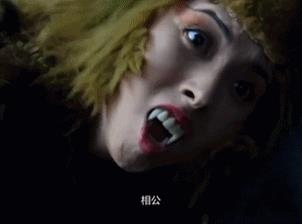
Butterfly demon Cai Yi only saved her from cobwebs because of Jin Yuan, and gave her a thousand years of life in exchange for Jin Yuan’s ten years of life.
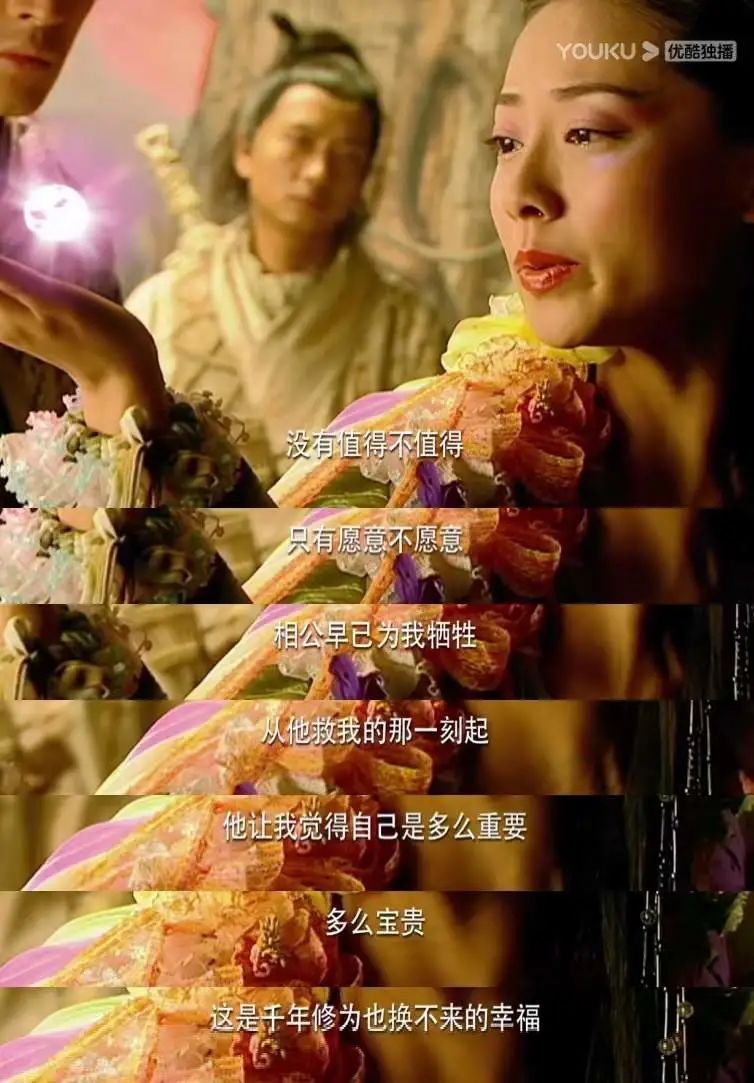
Look after Linger’s grandmother who grew up, Jiang Ming, the elder brother who fell into evil influence for love, and the Millennium fox demon who died at the risk of getting rid of his misery …
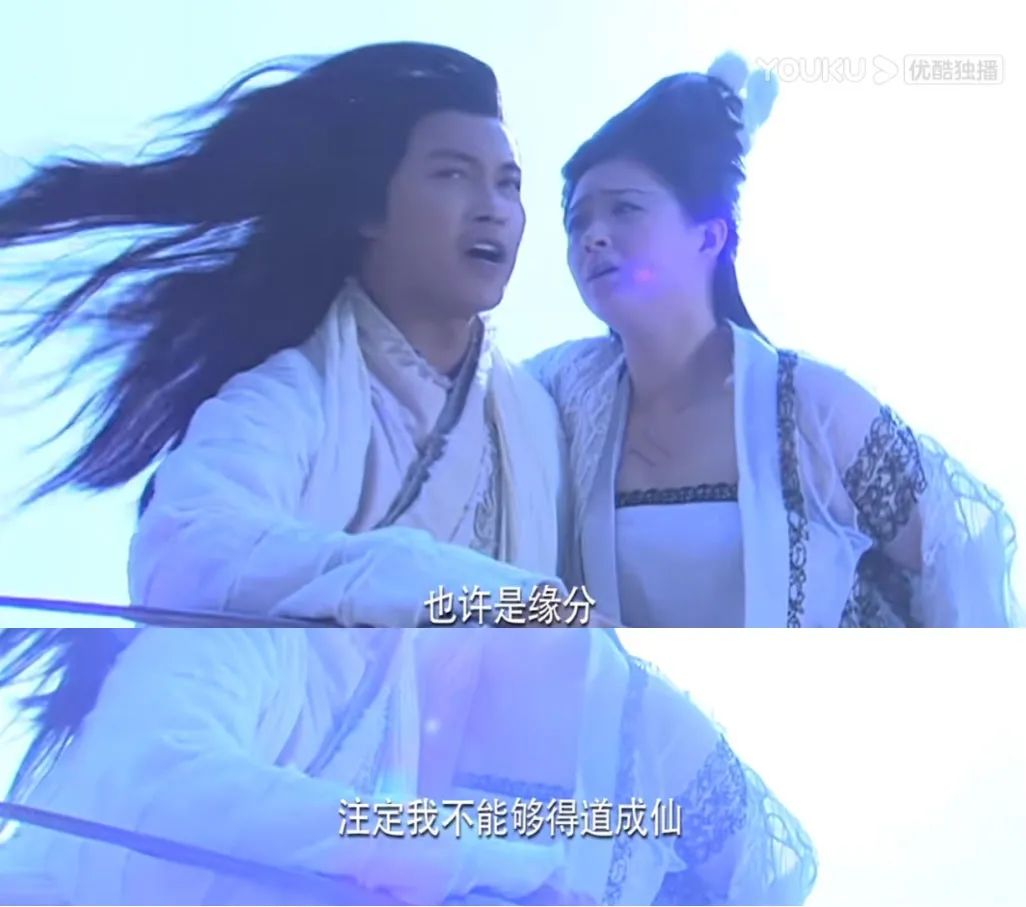
The theme of the fairy sword gradually appeared on them: it was never fate, but loss and growth that determined the direction of the story.

Yesterday’s old dreams, knowing each other and staying together, will never die.

In the era before Xianxia drama was flooded, a generation of audiences vaguely knew that "there is a fairy road, a man is humane, and a demon has a demon road."

Xian Xia, "Xia" is the original intention.

Some fans said: "In fact," Xian Jian Yi "has no supporting role."

In a play, the characters have primary and secondary roles, and the protagonist represents the theme and values of the whole work;

Supporting actors often serve, contrast, contrast, assist and promote the development of the plot, and inevitably become "tool people."

But in "Sword One", there are not only good guys and bad guys, but also chivalry, not just simple love.
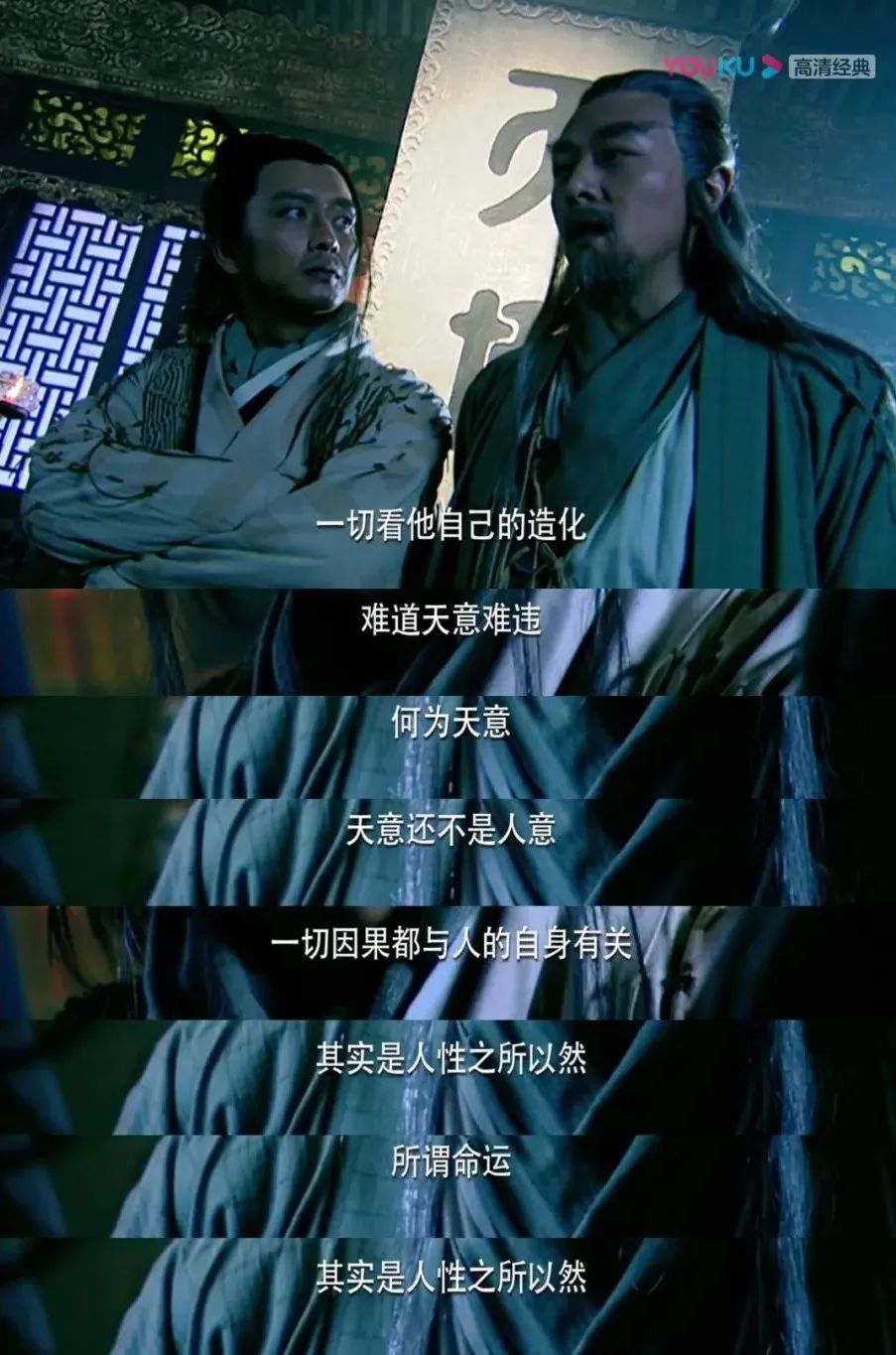
There is a scene in which everyone gathers at the top of the mountain to make a wish.

The protagonist group is expecting their own missions, and Xiaoyao wants to be the best warrior in the world, weeding out the strong and helping the weak, and leaving a name in history;

If Yue wants to be a master, let Lin Jiabao become the first big gang;

Shine, let all Nanzhao people be happy forever …
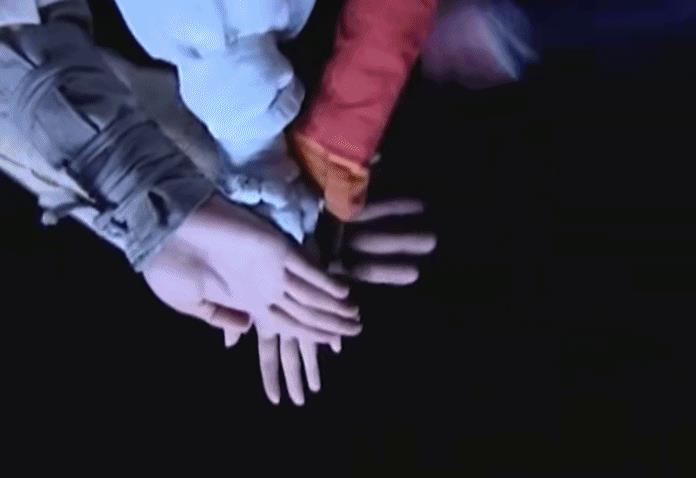
The supporting group is not inferior.

Jin Yuan should shed their blood and help the emperor of today to help Datang Jiangshan;

Tang Yu should not be afraid of difficulties, and be as loyal and courageous as her adoptive father to defend the country;

Anu will be happy all his life as long as he is happy every day.
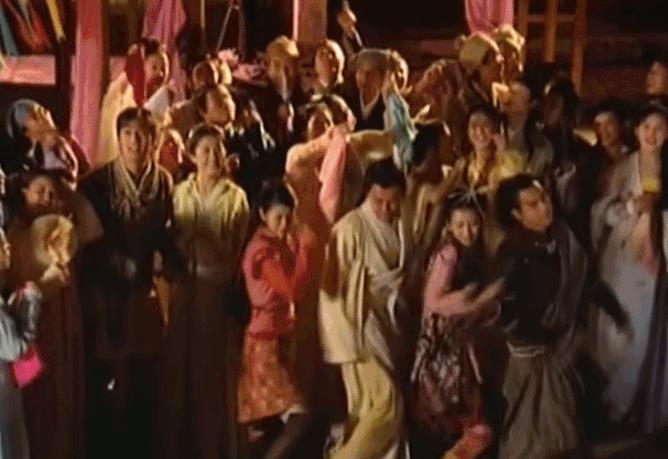
The young people who were happy at that time did not know their end yet.

Home, country, world, self, these young people are not trapped in love from beginning to end, just know "one pair for life", as in today’s Xian Xia drama.

As the plot progresses, the audience will realize that they are not just talking, nor are they falling in love in the name of career.
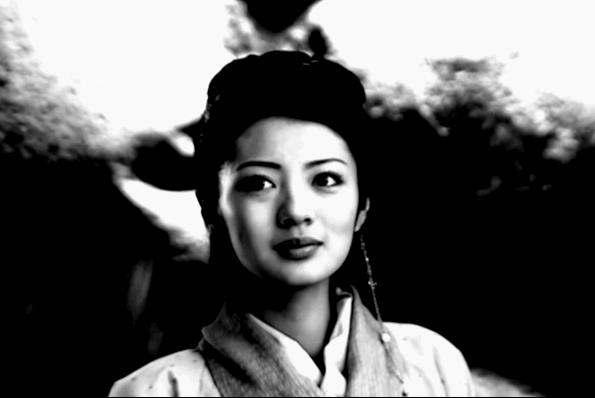
The pain in the hearts of countless drama fans

Man of great talent in Jin and Yuan Dynasties, a champion of new subjects and a teacher of the son of heaven, has a bright future, but because he and Xiaoyao Linger are close friends, he is unwilling to succumb to the leader of Yue Bai, and his family is ruined.
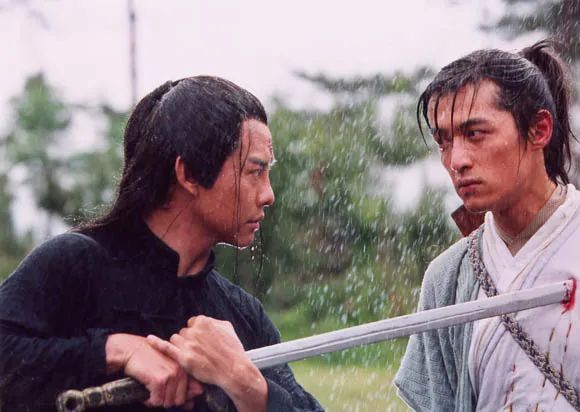
Design Li Xiaoyao’s "suspended animation"

It is said that "nothing is a scholar", and it is also such a scholar who can’t lift his hands and shoulders. In order to save the trapped butterfly, he was extremely poisonous, and in order not to hurt his friends, he finally committed suicide.

In his mind, "you can get a bosom friend in life and die without regret", not to mention that he has six.

So, he risked his life to lurk around the leader of Yue Bai, looking for the death hole of the devil for his best friend, even if he died, he would not regret it.
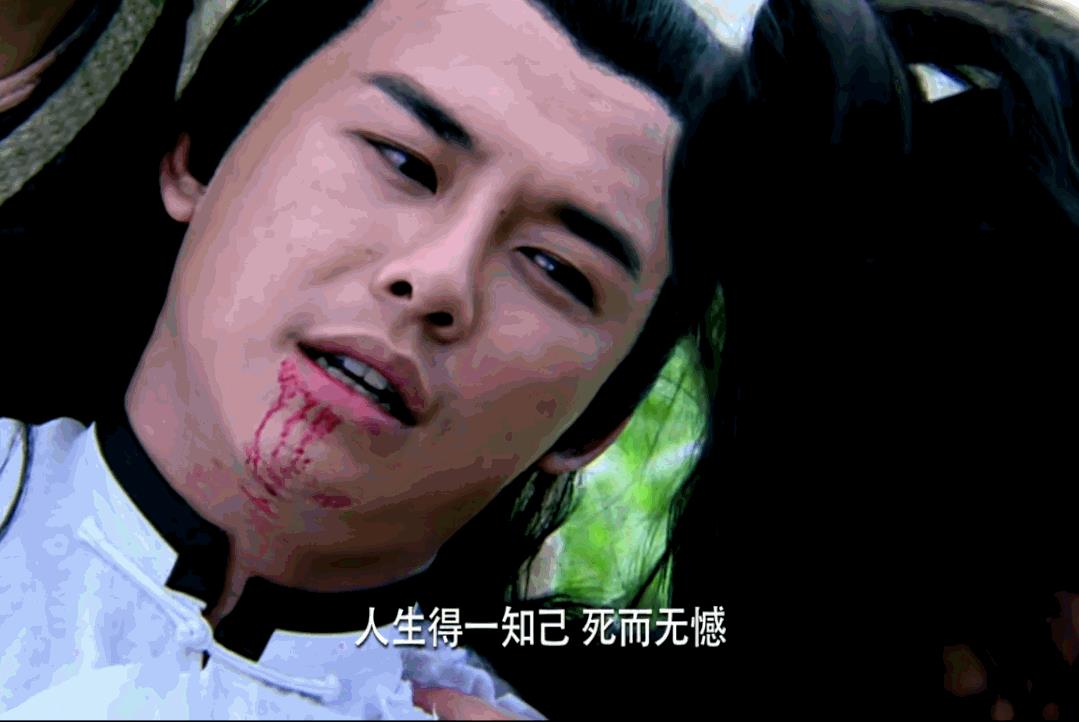
Parents and cousins are Ah Qi’s eternal regrets.

Anu is the simplest one in the play. His ideal in life is to be happy and eat every day.
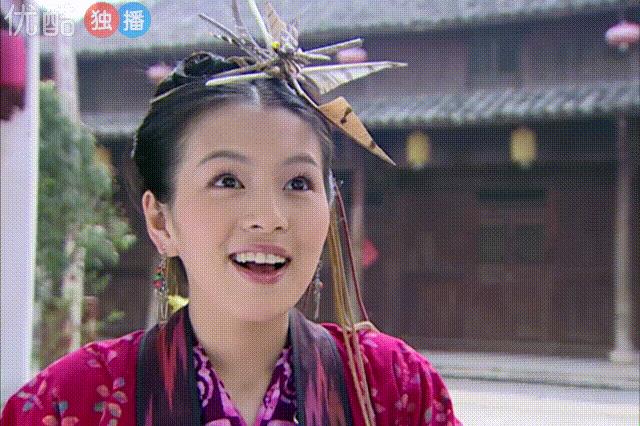
Everyone must grow up, and Anu is no exception.

Knowing that his father is the wine sword fairy Mo Yixi, his coming into the world is just an accident of his parents-

My father fell in love with his brother and the Queen Witch, while my mother was the sister of the Queen Witch, the saint of Nanzhao State, and her own teacher. They were drunk and infatuated with her.

After many changes, the simple-minded Anu was used by Yue Bai and became a poisonous knife in his hand, which not only personally caused Tang Yu to lose her arms, but also killed her biological father.
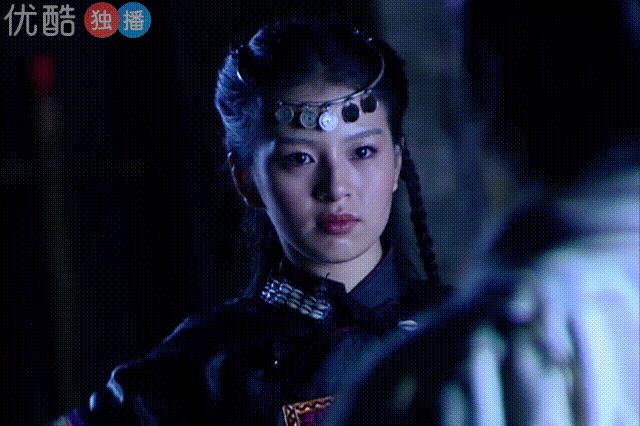
The sudden change of fate made people unprepared.

Fortunately, Anu is accompanied by Tang Yu Xiaobao. "Xiaobao", a special nickname for Anu, represents companionship, responsibility, love and sacrifice.

As the second adopted son of Elder Shi, Tang Yu is somewhat pitiful.
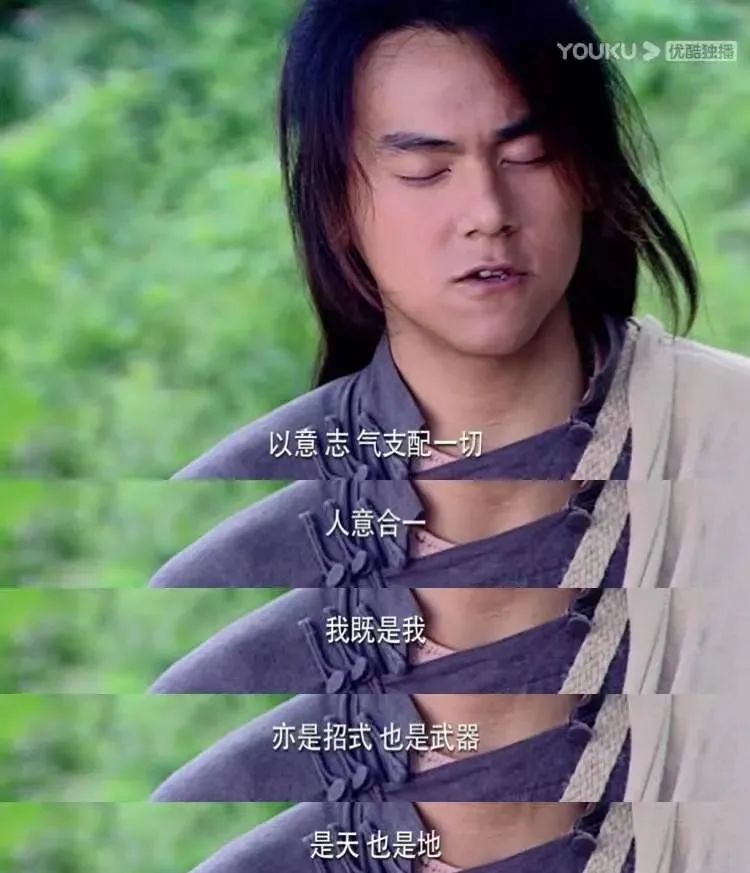
 

Some people say that "Fairy Sword I" is to understand the BE aesthetics.

From the older generation to the younger generation, the audience scratched their hearts for their ending, but could not say "I don’t understand why they did this."

Unlike the "immortals" who are ready to "destroy the three realms" and "bury all beings" for their lovers, the focus of Xianxia drama at that time was still on the word "Xia".

Qing Er, the descendant of Nuwa (Linger’s mother), awakened the instinct of Mother Earth early and made a lifelong agreement with the witch king.

Qing Er, who is inexperienced, has a longing for love. She spent three months experiencing the beauty of the world and met Ruozhuo, a disciple of Shushan School who also went down the mountain to seek Taoism, and fell in love.
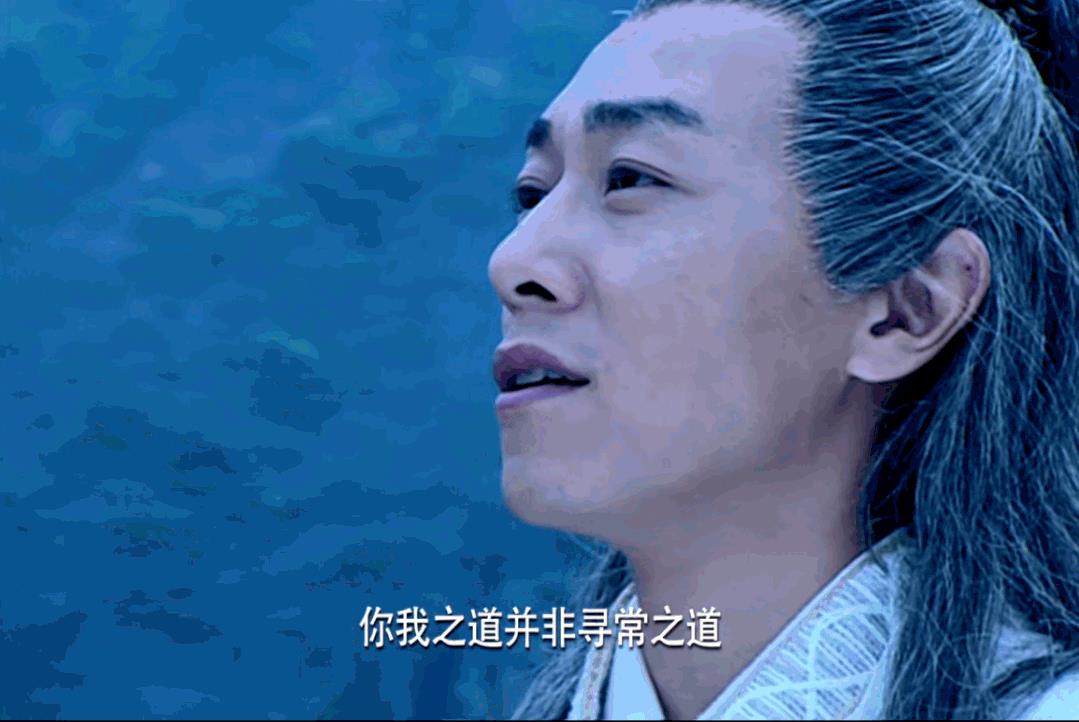
After seeing through everything, the two confirmed their love for each other, but they still chose to separate.

Qing Er and Ruozhuo, whose feelings are pure and passionate, should have been immortal couples, but because of their respective responsibilities, they gave up little love and saved all beings.

As a result, the two went to different fates.

If Zhuo continues his "Tao" and sticks to Shu Mountain, Qing Er will return to Nanzhao and marry the wizard king.

Here have to mention the villain Yue Bai hierarch.
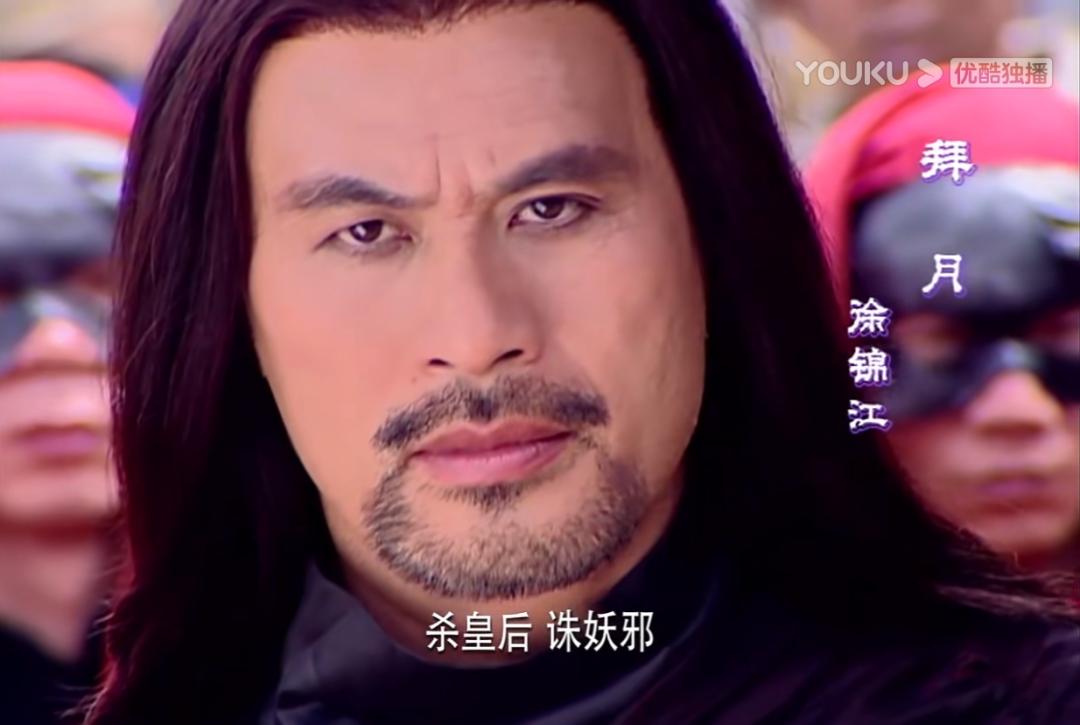
Nu Wa’s descendants’ duty is to protect their people, and Yue Bai wants to destroy the world, which leads to contradictions.

In order to get rid of obstacles, ten years ago, the leader of Yue Bai, whose mana was not strong enough, chose to look for a breakthrough from the witch king.

The Witch King, the husband of Qing Er and the father of Linger, is suspicious and cowardly.
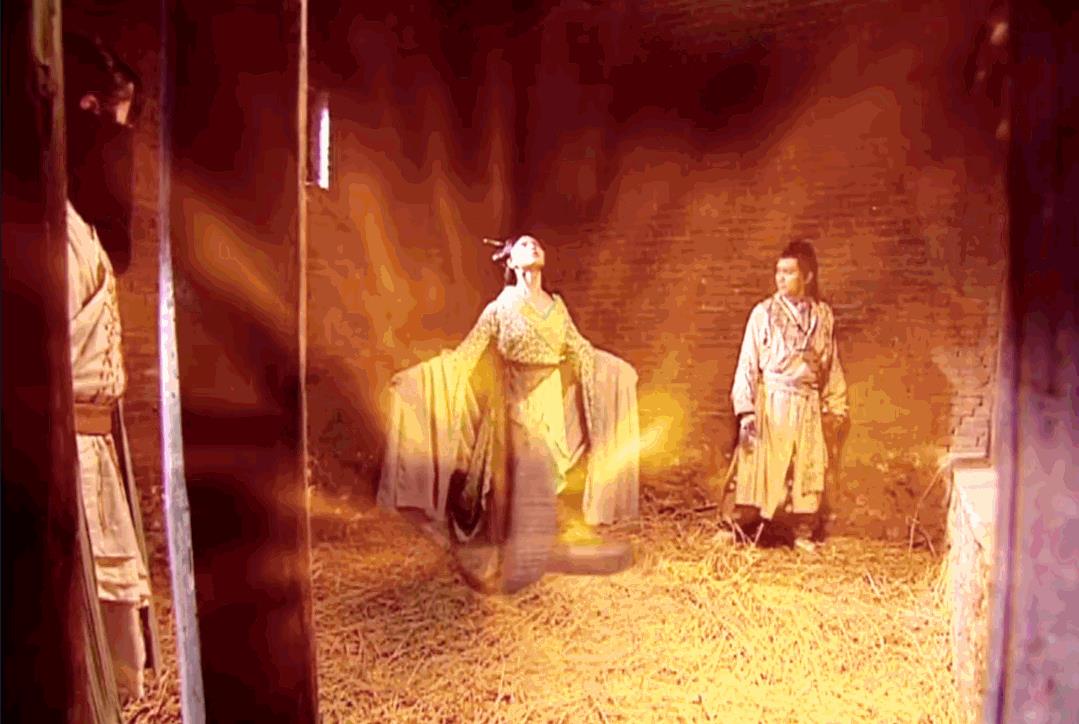
Qing Er’s identity is a thorn in his heart, and Yue Bai’s bewitch made him hesitate.
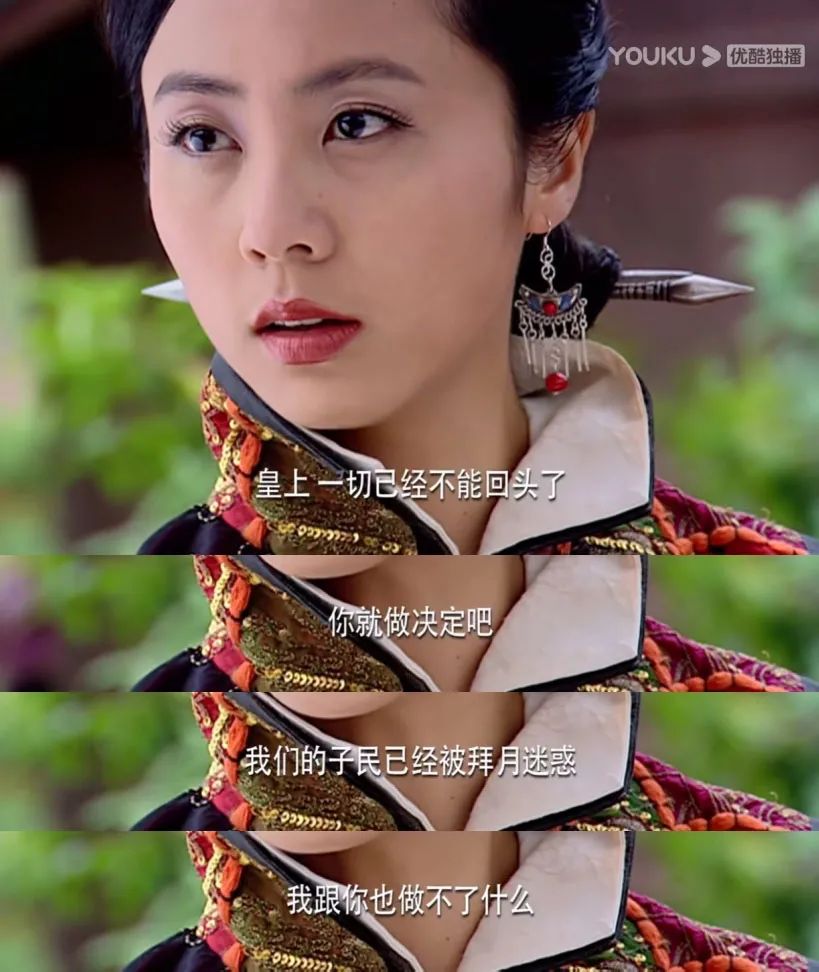
Qing Er, who knew the ending early, still chose to embark on the same road.

In the end, Yue Bai confuses his subjects and summons the water demon animal. Qing Er, the mother of the earth, has to suppress it with her own body to save the people from danger, which is another tragedy.

Although the characters in "Xian Jian Yi" came together because of love, they touched people’s hearts because of their broad mind and boldness of vision.

Want to buy osmanthus with wine,

Not after all, youth tour

"Sword One" is adapted from the RPG game of the same name "Legend of the Sword and the Chivalrous Man".

At that time, the game parties had strict requirements for rewriting scripts, just like the original party now.

Immature actors, changes to the game’s design and plot, and not high-level special effects have all been criticized.
Today, it’s 50 cents, and it can’t be more.

Is it true that times have changed, and the "bad drama" of that year has now turned into a classic?

Put the hour hand back to many years ago.

Although this drama can only be described as "poor enough to have only acting skills" today, in that year, both the music and makeup and the production lineup were already conscience-level.
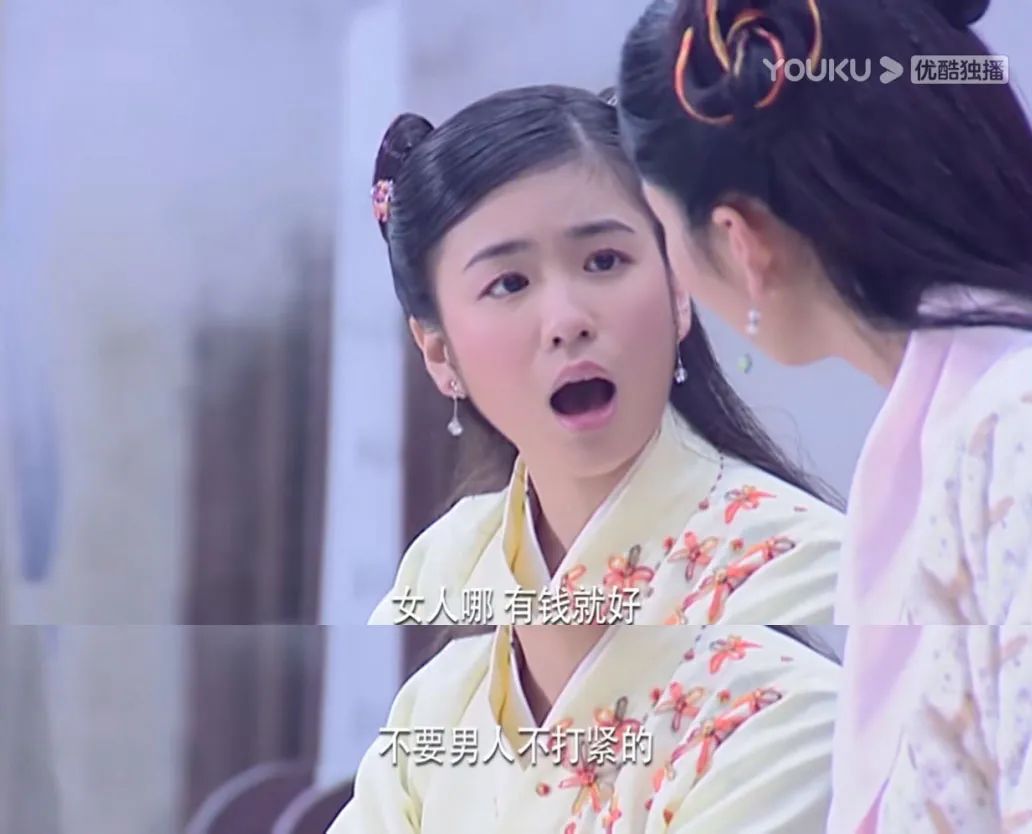
In the previous episodes, one of the small characters was Joanne, a member of Sweety group (the other was Liu Pinyan, the player of Anu), and the other was Zhang Xinyu, an actor.

Hu sang Rain in June and Happy Sigh; Sang sang "Always Quiet" and the theme song "kill the wolf" and "Finally Understand" …

Whether it’s "Love for you has been very quiet" or "A rain has trapped me here", it has occupied the lyrics of a generation of boys and girls, and now the melody will hum along with it.

Although there are many soundtracks and theme songs, they are not homogeneous, and every word is closely related to the fate of the character and the story.
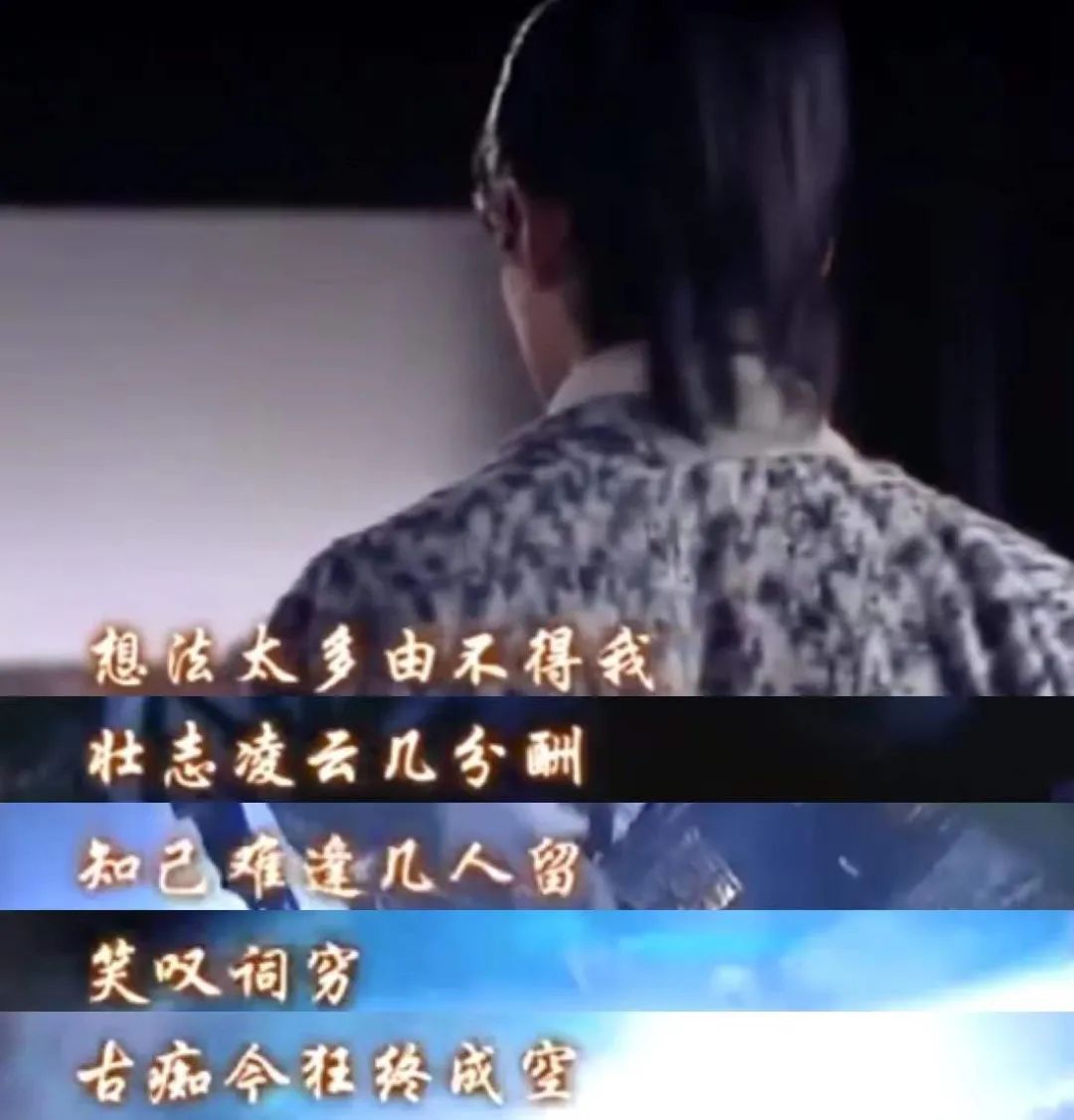
Happy sigh, sigh can not be happy.

The classics of the past are hard to reproduce, and so are the actors of the past.

Many people later discovered that there were so many familiar faces in this play.

Needless to say, Hugh and Liu Yifei, Xie Junhao (Jiu Jianxian), Loretta Lee (Shenggu), Tan Yaowen (Jiang Ming), Pei-Pei Cheng (Grandma), Huang Zhixian (Witch King), Zhang Qian (Caiyi) …
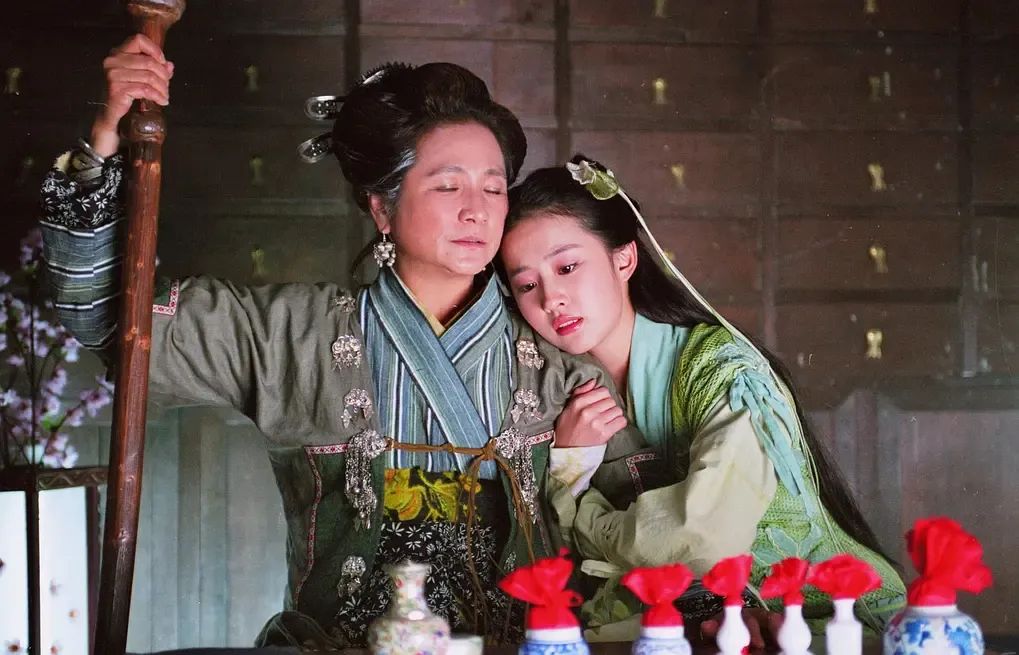
Deng Jiajia (Spider Spirit) and Rulu (Kyubi no Youko Fox), who were newcomers at that time and were later known to the audience.
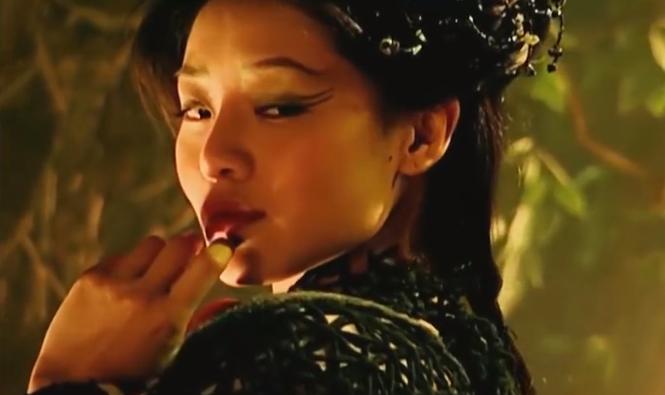
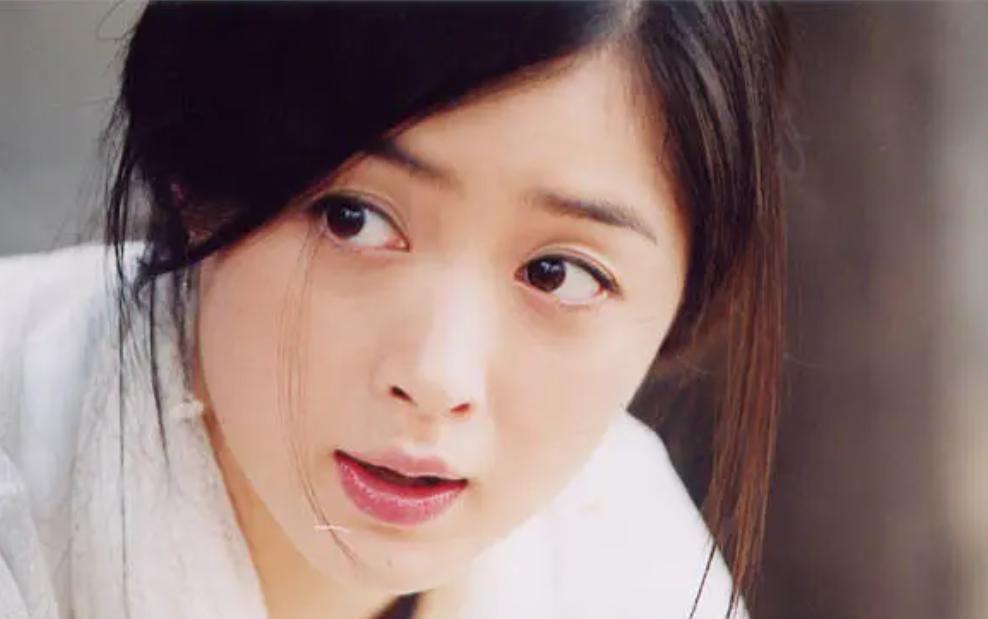
Even today’s lineup, which seems to be a "fairy combination", has been adjusted several times. Even the role of Li Xiaoyao did not belong to Hugh originally.

At that time, Hugh just went to the cast to audition for a small role.

There was a girl who tried spider essence next to her, but she kept staring at him and asked him, "Are you playing Li Xiaoyao?"
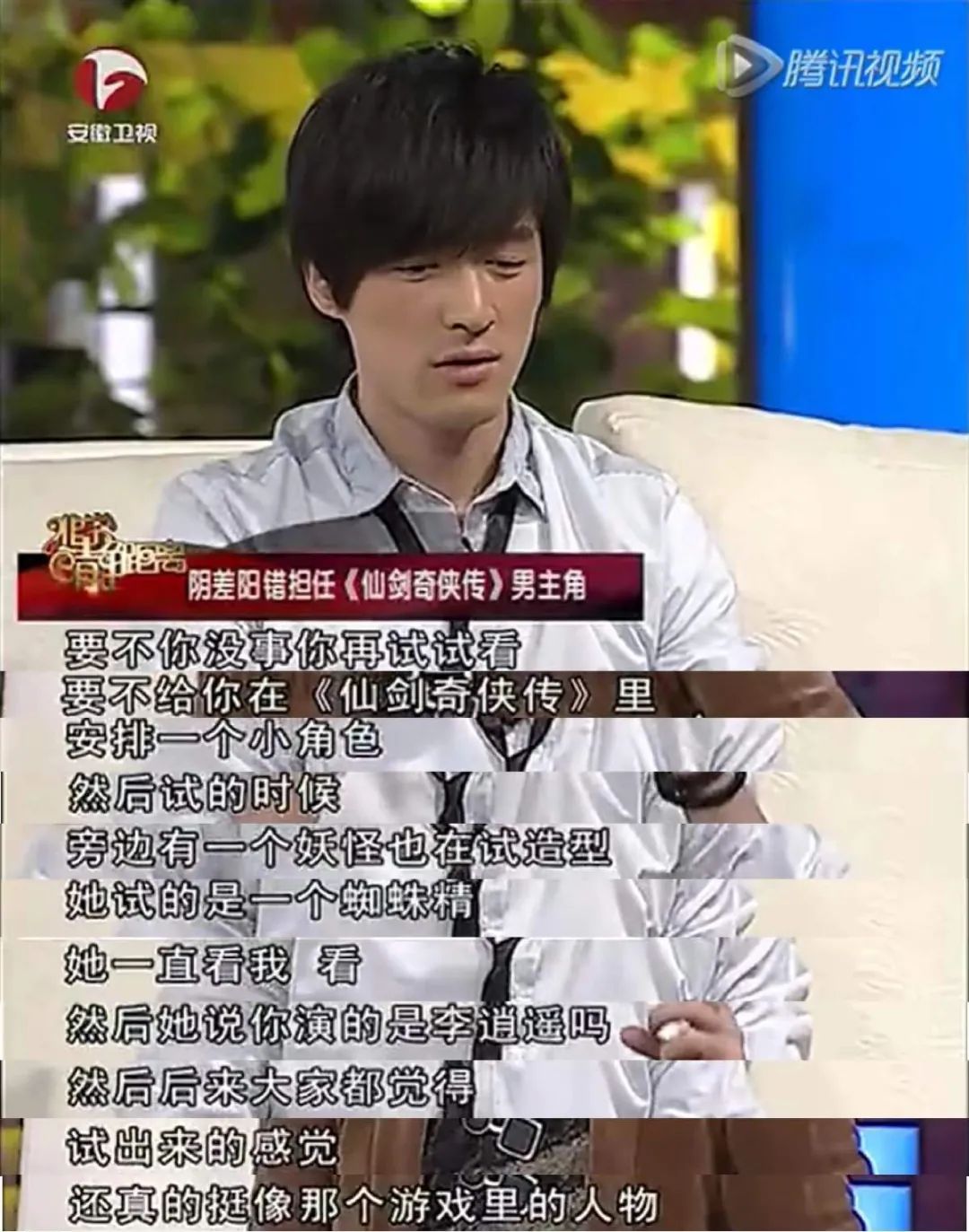
This question doesn’t matter. Many fans in the cast think that Hugh’s shape is really like Li Xiaoyao in the game.

Later, Yao Zhuangxian, as the "father of xianjian", pushed through the crowd, and replaced the original candidate with Hugh, so that "there is no Hugh, no freedom".
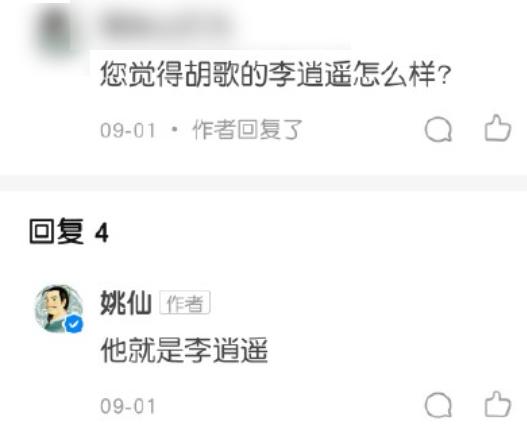
Affirmation from the father of xianjian years later

Looking back at 2005, The Legend of the Sword and the Chivalrous Man was broadcast on Hubei Satellite TV, which created a miracle of viewing with an average audience rating of 11.3%.

By 2024, the score will soar all the way, and the latest date in the message area will always be refreshed, which is also an exception in Xian Xia’s drama.
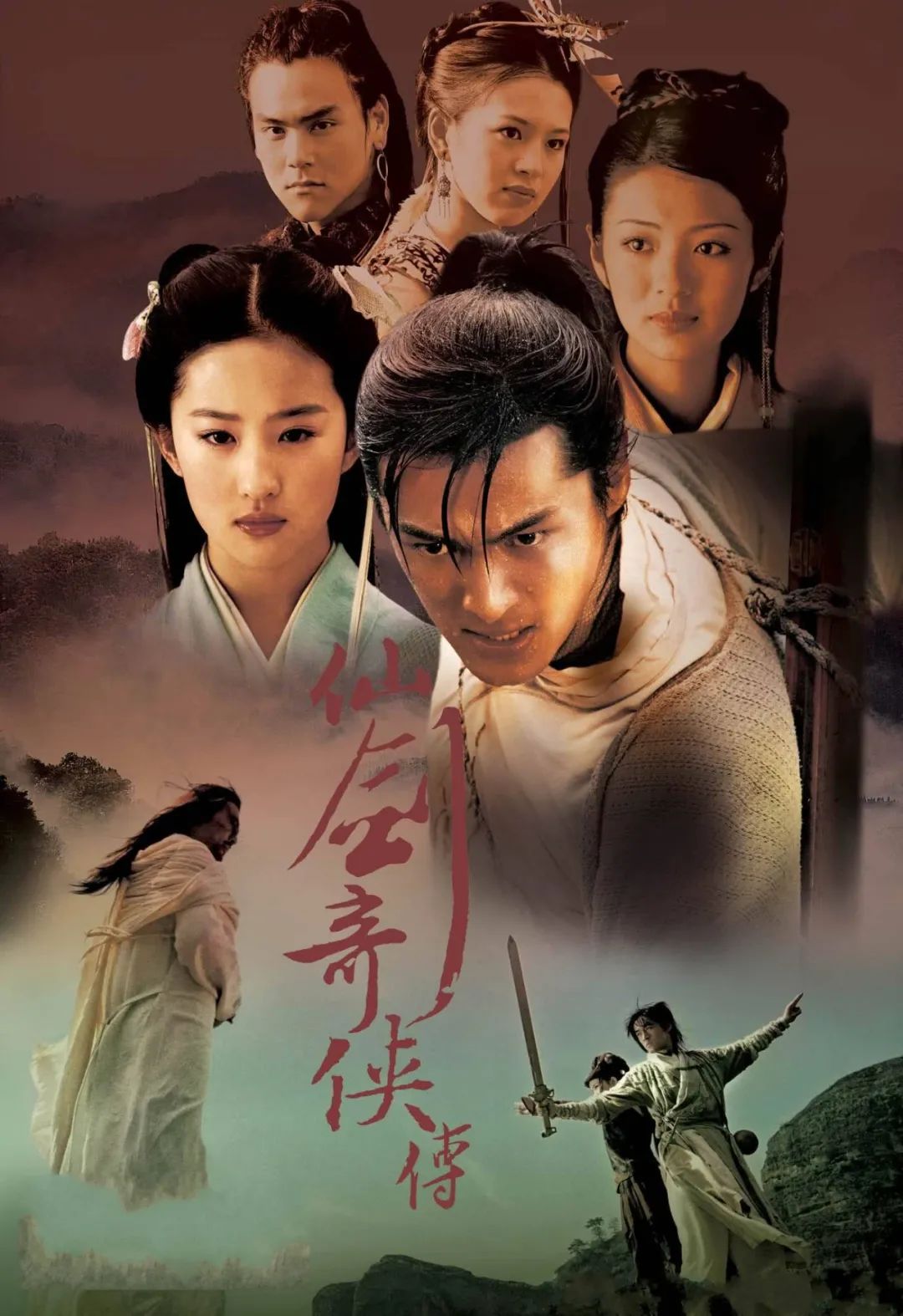
The "Fairy Sword" series is still being filmed. With hundreds of millions of big productions and top-notch stars, can we replicate the success of our predecessors?
A car appeared in the ending scene of the movie "Sword Four" with an investment of 300 million yuan.

Perhaps, if you want to copy successfully, you must first copy your heart.

But the latter, now, may be really too difficult.

Original title: "Spent 300 million, finally ruined" Fairy Sword "

Read the original text
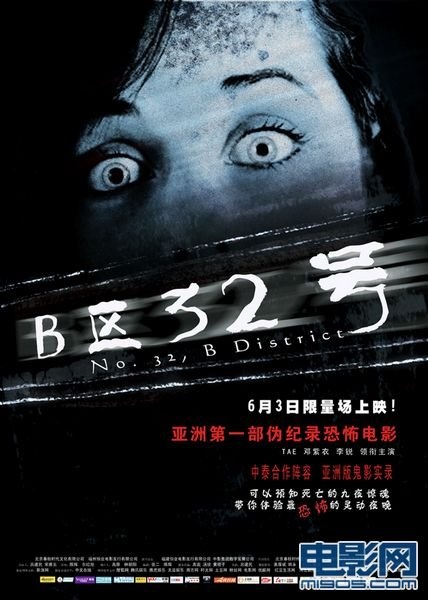
A comprehensive interpretation of the four highlights of the shocking release of No.32 in Zone B on June 3.


Eye poster

  In 2009, a small-budget horror movie, which was shot entirely by hand-held cameras, dominated the Halloween schedule in North America, creating another classic case of the North American film market. The biggest highlight of this film lies in the shooting mode of its home DV camera, and the real initiator of this shooting mode is actually blair witch project. The inspiration for the first domestic pseudo-documentary horror film "Zone B No.32" released in the early summer of June 3rd also comes from this film.

Aspect 1: "Ghost Queen" and "Heavenly King" go into battle together.

  Both the hero and heroine in this film have the experience of participating in horror films. Deng Ziyi once won the title of "Ghost Queen" because of her successful participation in a horror film with Jordan chan. TAE, from Southeast Asian countries full of mysterious witchcraft and Buddhism, has participated in many horror films, such as Ghost Abuse, which is familiar to people.

  At the press conference held in Beijing on May 25th, Deng Ziyi said that she had a hard time adapting to life outside the theater, and the film atmosphere was too depressing and horrible, which made her very depressed and depressed. TAE also added that it was winter during the filming, and it was really more difficult to get rid of the emotions of the movie characters, and it took a long time to get over it.

Aspect 2: new bottles of new wine

  "No.32 in Area B" is not an old-fashioned ghost story pattern, but is shot in the form of "fake records" and the whole film is shot with a family-style portable video recorder. There is hardly any bloody scene in "No.32 in Area B". The filmmaker intends to scare the audience by creating a sense of reality. This sense of reality comes from its unique shooting method, hand-held camera. In the movie, we have to put up with the shaking and messy pictures, but it is this DV shooting mode that gives the audience a brand-new viewing experience. For the audience, it is like watching a family documentary, which makes them feel that the story in the film is a real thing, not the director and screenwriter. Directors and screenwriters seem to want to tell the audience by approaching the real documentary mode that what they can’t see is more terrible than what they see.

  Just as after the screening, a senior film critic said that the sound effects and pictures of the film were brought in, which made the audience feel like they had experienced a haunted house and traveled to a gloomy and terrible place with the first-person vision. It was a rare masterpiece in domestic horror films in recent years.

Aspect 3: Sound effects and image quality are sensational.

  Many people say that the horror of horror movies lies in the sound effect. If the mute mode is enabled, the panic index will be greatly reduced. It can be seen that sound effects are such an important element of horror films. In the history of horror movies, movies with successful sound effects have created horror classics, including Kubrick’s "Ghost Invasion", which is often used as an audition disc, and the harsh and restless Freddy’s finger-pointing sound in "Ghost Street", which makes the audience remember the movie because of its penetrating sound effects.

  After the screening in major cities in China, many senior film critics can’t help but praise that the sound effect of the film is well done, and it is just in line with the development of the plot of the picture, instead of being mysterious for the sake of terror. Many viewers said that they were scared many times and even screamed. Watching "No.32 in Zone B" is really a roller coaster ride.

Aspect 4: behind-the-scenes tidbits of horror

  TAE has participated in horror films such as the Thai film "Tragic Death", but according to him, during the filming of "Zone B No.32", he specially invited amulets from his hometown for peace. When the reporter further asked, what happened on the set made him so painstakingly "exorcise evil spirits", TAE shook his head and said that he did not want to go into details.

  Deng Ziyi, the heroine, said that during filming, she encountered many strange events that could not be explained. Many shots were fine when they were seen on the set, but they all disappeared later. "We always looked at the director’s monitor after filming, and it was fine at that time, but once we got back to the hotel, the pictures were gone and could not be explained at all."

For thousands of years, how has "eating moon cakes" become ceremonial step by step?

  Beijing, Sept. 13 (Reporter Shangguan Yun) In people’s expectation, the Mid-Autumn Festival is coming. Undoubtedly, "reunion" is an important connotation of Mid-Autumn Festival, and moon cakes are an effective connection point and carrier of this connotation. Since ancient times, people have long been used to buying some moon cakes when the Mid-Autumn Festival comes and sharing them with their families.

  In fact, with the passage of time, moon cakes have gradually evolved from an ordinary food to a special seasonal delicacy of the Mid-Autumn Festival, and "eating moon cakes" has gradually been given a sense of ceremony.

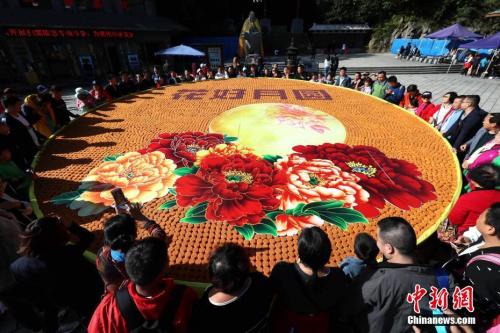
  Data map. Photo by Wang Zhongju

  N possibilities about the origin of moon cakes

  Moon cakes, the most famous "online celebrity" food in Mid-Autumn Festival, are a symbol of reunion.

  However, there have been various legends about its origin. There is a saying that moon cakes originated from the food used by the Tang army to celebrate their achievements. At that time, general Li Jing led a great army to conquer the Huns, and the day when he returned victorious happened to be August 15th.

  Knowing that the Tang army had won the battle, a business Tubo presented delicious cakes to Tang Gaozu Li Yuan to celebrate. Li Yuan was very happy. He took the round cake, looked at the bright moon in the sky and said, "We should invite toads to the Hu cake", and then shared it with the ministers. This is the embryonic form of the moon cake.

  The other way of saying it is a little romantic. According to legend, during the reign of Xuanzong in the Tang Dynasty, Li Longji was enjoying the moon on an autumn night, and Taoist Luo Gongyuan used magic to invite Xuanzong to visit the Moon Palace with him.

  When she arrived at Guanghan Palace, Chang ‘e asked the maids to hold sweet and delicious fairy cakes to entertain Tang Xuanzong, and asked the fairies to perform a rare dance for the guests. After returning to the world, Emperor Xuanzong of the Tang Dynasty ordered people to copy them one by one according to what they saw and heard in the Moon Palace. Since then, there has been a "moon cake" in the shape of a full moon.

  Of course, it is also said that the production of moon cakes is related to the legend of "the Goddess Chang’e flying to the moon". But basically, many related legends are just people’s guesses about the origin of moon cakes.

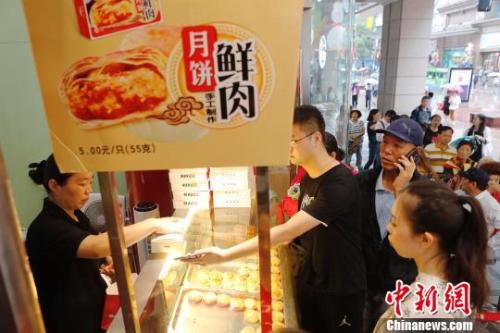
  Data Map: People queue up in the rain to buy fresh meat moon cakes. Yin Liqin

  "Moon cakes" with different shapes in history.

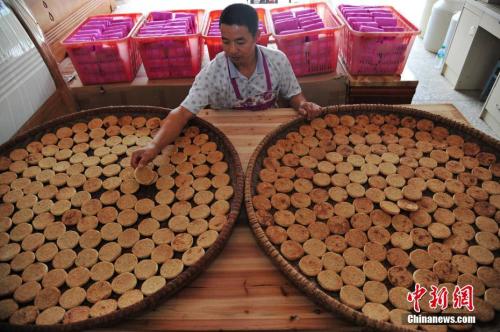
  It is generally believed that the origin of moon cakes is related to people’s worship of the moon god in the ancient Mid-Autumn Festival, which was passed down from generation to generation, and later formed the custom of eating moon cakes in the Mid-Autumn Festival. Some data also show that during the Shang and Zhou Dynasties, a kind of "Taishi cake" was popular in Jiangsu and Zhejiang provinces, which was very similar to the embryonic form of early moon cakes: the edge was thin and the center was thick, to commemorate Taishi Wen Zhong.

  However, until the Song Dynasty, moon cakes were not called "moon cakes". During the Northern Song Dynasty, when the royal family spent the Mid-Autumn Festival, they liked to eat a kind of "palace cake", commonly known as "small cake" and "moon group", which was round like the moon. According to Su Shi, the crust is wrapped in maltose and ghee, which tastes sweet and delicious.

  The word "moon cake" appeared in Wu Zimu’s book "Dream Liang Lu" in the Southern Song Dynasty, but the moon cake in the Song Dynasty is actually quite ordinary, not a specific food for the Mid-Autumn Festival, and can be eaten at ordinary times. At that time, the moon cakes were rhombic, and existed at the same time as chrysanthemum cakes, plum cakes and five-kernel cakes.

  The real description of eating moon cakes in the Mid-Autumn Festival was not recorded until the West Lake Tour Club in the Ming Dynasty: "August 15th is called the Mid-Autumn Festival, and the folks take moon cakes as a legacy to get together." The moon cakes of the Ming Dynasty are also fixed in the shape of the common prototype now. Gradually, it was given the meaning of "reunion".

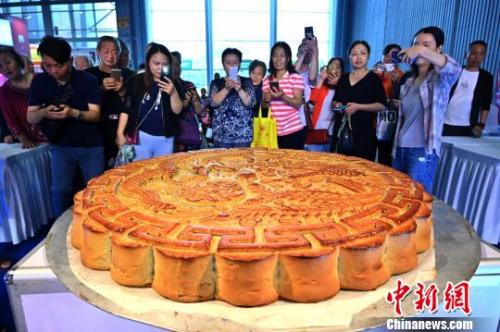
  In the Ming dynasty, the value of moon cakes was also rising. Ingenious bakers can make patterns of the Goddess Chang’e flying to the moon’s fairy tales and print them on moon cakes. Sometimes they make large moon cakes with a diameter of two feet.

  Data map. Anyuan photo

  The taste of moon cakes in Qing dynasty is better than before. For example, Yuan Mei mentioned a kind of crispy moon cake in Suiyuan Food List, which is filled with pine nuts, walnuts, melon seeds, rock sugar and lard. It tastes sweet and fragrant. Yang Guangfu, a Qing dynasty, wrote that "moon cakes are filled with peach stuffing and ice cream is made of sugar cream", which is a bit like modern moon cakes.

  Fancy moon cakes: what about alternative fillings?

  Nowadays, due to factors such as raw materials and preparation methods, moon cakes have gradually formed different types, such as Beijing style, Soviet style and Guangdong style. Before the Mid-Autumn Festival comes every year, all kinds of moon cakes on the market have become a special landscape.

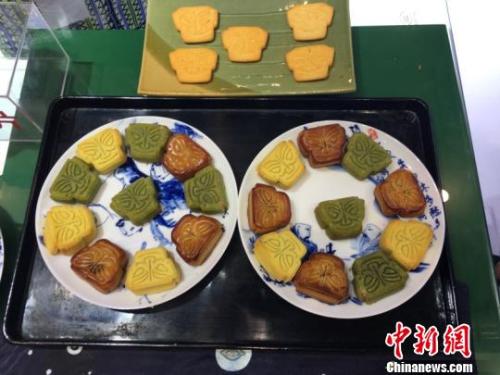
  Among them, stuffing and dough have long broken through the stereotype of people many years ago. In addition to the familiar fresh meat and cloud-legged moon cakes, there are durian moon cakes with skin and flowing milk yellow moon cakes. Some merchants will also make moon cakes into various flower shapes, which are no longer traditional circles.

  In the above-mentioned moon cakes, some eye-catching types are occasionally mixed in, mainly reflected in the stuffing. For example, rattan pepper beef, spicy crayfish moon cakes, and "snail powder" moon cakes and so on.

  Data Map: "Mask" moon cakes quickly became popular. Photo by Zhong Xin

  Wenchuang moon cake is a popular type recently. Needless to say, all kinds of moon cakes produced by the Forbidden City, Suzhou Museum has a gift box of glutinous crystal moon cakes — — Mooncakes are made of five animal images, namely, three-legged toad, deer, too few lion, double badger and elephant. The "mask" moon cake produced by Sanxingdui Museum was once popular.

  In terms of size, oversized moon cakes appear from time to time. Previously, in a business district in Chongqing, a huge moon cake attracted many people’s attention. It is reported that the moon cake weighs over 100 Jin and sells for 28,000 RMB.

  Therefore, consumers will sigh, "Today’s moon cakes are really dazzling".

  "Ritual Sense" in a Moon Cake

  Although a variety of new moon cakes have been appearing in recent years, the report "Development Trend of China Moon Cake Industry in 2019" published earlier shows that traditional products and traditional tastes will still be the mainstream in terms of categories.

  It has been said that the Mid-Autumn Festival is a cultural symbol of reunion in Chinese for thousands of years, and moon cakes are the connection point of reunion, which has irreplaceable symbolic significance. Throughout the ages, although the holiday customs may be slightly different, people have long been used to buying some moon cakes to taste with their families when the Mid-Autumn Festival comes.

  Data map. Photo by Deng Longhua

  For example, "Meditation on the Records" said: "In August, begonia and Hosta flowers were enjoyed in the palace. From the first day of the first lunar month, there are mooncake sellers, and on the 15th, every family offers mooncakes, melons and fruits. If there are any moon cakes left, they should be collected in a dry and cool place and used separately at the end of the year, which is called reunion cake. "

  "The history of moon cakes is actually relatively short, and it was given ‘ Reunion ’ The theme is not long. " Wang Juan, an associate professor of Peking University and a folklore scholar, said that the Mid-Autumn Festival originally appeared late, and the content of festival customs was much less than that of Qingming Festival, Dragon Boat Festival and Spring Festival. It was not until the Ming Dynasty that eating moon cakes on the Mid-Autumn Festival was fixed as a custom.

  As the years passed, "eating moon cakes" became quite ceremonial. Feng Jicai, a famous scholar, once said that the ancients created very complete and strict festivals and customs, such as ceremonies, celebrations, regulations, taboos, and even specific entertainment, decoration and food, to turn the festival day into a unique day.

  "The ritual of eating moon cakes is new, but it conforms to China ‘ Family reunion ’ The traditional concept. Therefore, although compared with other festivals such as Qingming Festival and Dragon Boat Festival, the Mid-Autumn Festival and the custom of eating moon cakes are all compared ‘ New ’ However, because it expresses an ancient concept, the symbolic meaning has been established and is still of great significance today. " Wang Juan said. (End)

The construction of several major projects to expand domestic demand, stabilize growth and benefit people’s livelihood has been accelerated.

CCTV News:At present, from the fields of transportation to energy, the progress of several major engineering projects has been constantly refreshed, providing strong support for expanding domestic demand, stabilizing growth and benefiting people’s livelihood. 

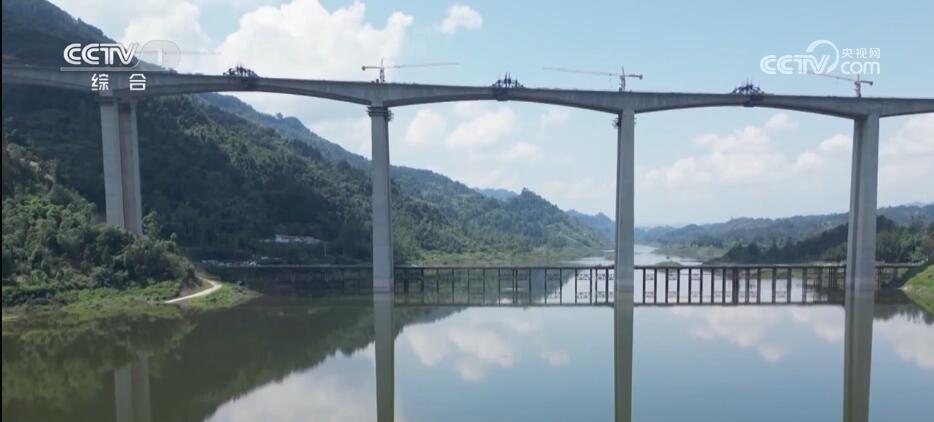
Liu Jiashan Tunnel of Chongqing-Guizhou Railway Control Project runs through.

On July 2nd, Liu Jiashan Tunnel, the control project of Chongqing-Qianjiang Railway, was completed, and the main project of Chongqing-Qianjiang Railway was 80% completed.

Huang Chenghua, Deputy Commander of Wulong Command of Chongqing-Guizhou Railway Company:Chongqing-Guizhou Railway is an important part of the "eight verticals and eight horizontals" channel of the national railway network, and it is also an important infrastructure connecting the Maritime Silk Road and the Yangtze River Economic Belt, which makes the passenger traffic between Chengdu-Chongqing urban agglomeration and Changsha-Zhuzhou-Xiangtan urban agglomeration faster and more convenient.

While the railway network is becoming more and more dense, a number of key highway projects are being accelerated.

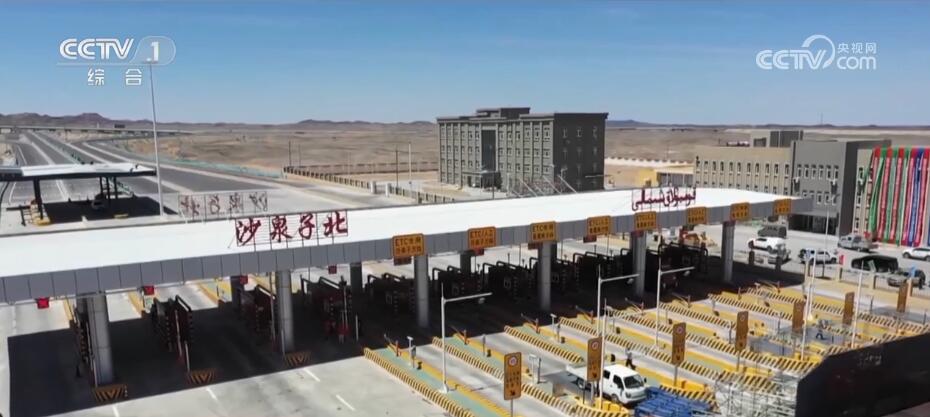
Hami, Xinjiang: Four highways are completed and opened to traffic, forming a high-speed ring road in eastern Xinjiang.

In Hami, Xinjiang, a few days ago, Wutong Daquan on S519 Line — Four highways, including Shaquanzi Expressway connecting line, were completed and opened to traffic, marking the further improvement of the outer ring of Hami resource highway and the road network in eastern Xinjiang. After opening to traffic, the organic interconnection between Jingxin Expressway on G7 line and Lianhuo Expressway on G30 line in the north-south direction has been realized. With the opening of several highway projects, Hami has built a "one-hour economic circle" in the core area of one district and two counties and a circular channel for the transportation of peripheral resources industries, and the modern transportation network system is more perfect.

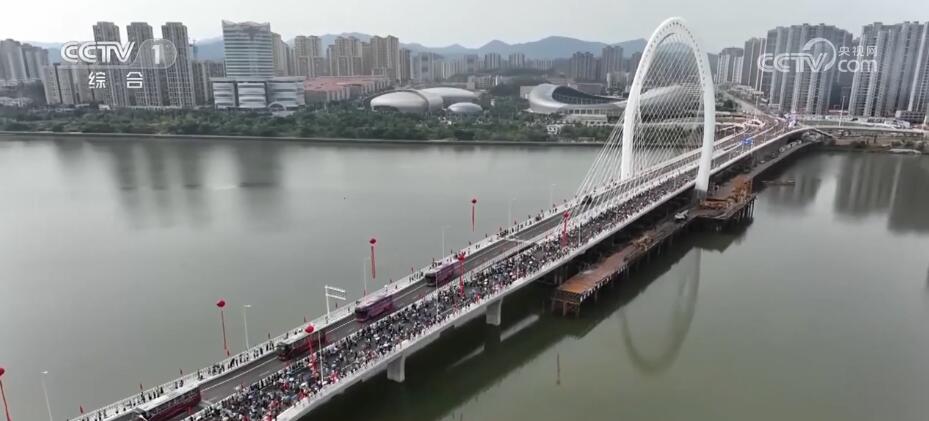
Yudu, Jiangxi: Jiji Bridge is officially opened to traffic, and a river-crossing expressway is added.

Recently, the assembly bridge in Yudu, Jiangxi Province was successfully completed and opened to traffic, which was the starting point for the assembly of the Central Red Army’s Long March — — A new landmark was added to Yudu, and the opening of the Jiji Bridge provided an important travel guarantee for the interconnection between the new and old local cities.

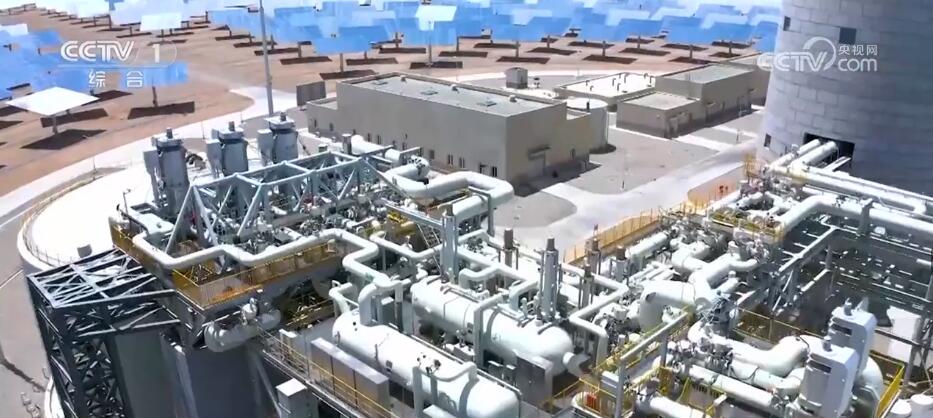
Golmud, Qinghai: The world’s largest demonstration project of liquid air energy storage started.

In Golmud City, Haixi Mongolian and Tibetan Autonomous Prefecture, Qinghai Province, the demonstration project of 60,000 kW/600,000 kWh liquid air energy storage was officially started. The project is equipped with a 250,000 kW photovoltaic project, which successfully breaks through the equipment constraints of large-scale amplification of liquefied air energy storage systems from 100 kW to 10,000 kW, and effectively improves the level of major technical equipment in the energy field. It is understood that the technology of liquefied air energy storage project has many advantages, such as large-scale, long-term, low-cost, unrestricted by geographical conditions, etc., especially in the fields of renewable energy consumption and peak shaving of power grid.

The China Meteorological Bureau upgraded the emergency response to the third-level central meteorological observatory and continuously issued a yellow rainstorm warning.

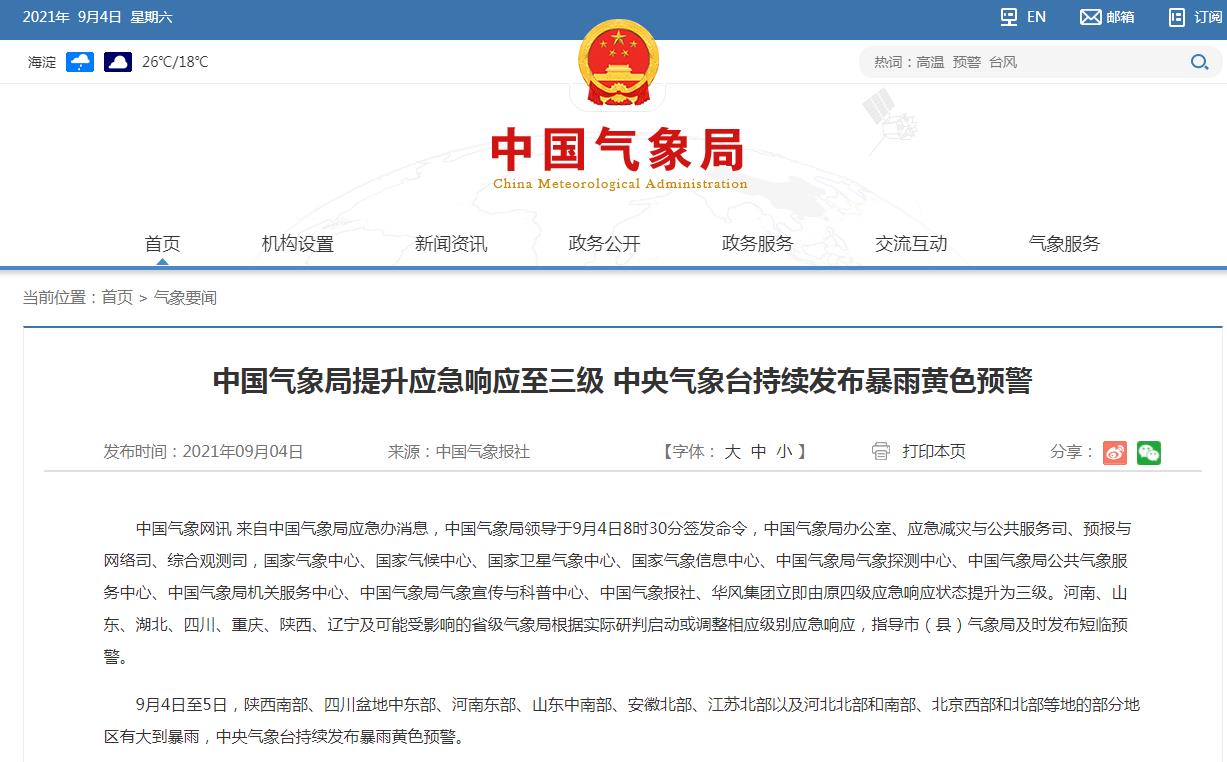
  CCTV News:According to the website of China Meteorological Network, from the emergency office of China Meteorological Bureau, the leaders of China Meteorological Bureau issued an order at 8: 30 on September 4, including China Meteorological Bureau Office, Emergency Disaster Reduction and Public Service Department, Forecast and Network Department, Comprehensive Observation Department, National Meteorological Center, National Climate Center, National Satellite Meteorological Center, National Meteorological Information Center, China Meteorological Bureau Meteorological Detection Center, China Meteorological Bureau Public Meteorological Service Center, China Meteorological Bureau Organ Service Center, China Meteorological Bureau Meteorological Propaganda and Science Popularization Center, China. Henan, Shandong, Hubei, Sichuan, Chongqing, Shaanxi, Liaoning and the provincial meteorological bureaus that may be affected shall start or adjust the corresponding emergency response according to the actual judgment, and guide the municipal (county) meteorological bureaus to issue short-term and imminent warnings in time.

  From September 4 to 5, there were heavy rainstorms in parts of southwestern Shaanxi, central and eastern Sichuan Basin, eastern Henan, central and southern Shandong, northern Anhui, northern Jiangsu, northern and southern Hebei, western and northern Beijing, and the Central Meteorological Observatory continued to issue yellow rainstorm warnings.

Take on a new cultural mission at a new historical starting point.

  Thoroughly study and implement the Supreme Leader’s Socialism with Chinese characteristics Thought in the new era.

  Author: Tang Aijun (researcher of Socialism with Chinese characteristics Thought Research Center of New Era, the supreme leader of Central Party School [National School of Administration], and professor of Marxism Institute)

  Propaganda and ideological and cultural work is related to the future and destiny of the party, the long-term stability of the country, the national cohesion and centripetal force, and it is an extremely important work. Recently, the General Secretary of the Supreme Leader made important instructions on propaganda and ideological and cultural work, stressing that we should "focus on the new cultural mission of continuing to promote cultural prosperity, building a cultural power and building a modern civilization of the Chinese nation at a new historical starting point, strengthen cultural self-confidence, uphold openness and tolerance, and persist in being upright and innovative" and "provide strong ideological guarantee, strong spiritual strength and favorable cultural conditions for building a socialist modern country in an all-round way and promoting the great rejuvenation of the Chinese nation in an all-round way". Strengthen cultural self-confidence, focus on cultural subjectivity and originality, and emphasize the need to continuously strengthen the internal driving force of cultural development and realize spiritual independence; Adhering to openness and tolerance, focusing on cultural openness and absorption, emphasizing the need to continuously improve the ability to absorb foreign learning and absorb beneficial results in exchanges and mutual learning with other civilizations; Adhere to the integrity and innovation, focus on cultural continuity and innovation, and emphasize the need to continue the historical context and write contemporary Chinese chapters in the dialectical unity of inheritance and development. Strengthening cultural self-confidence, upholding openness and tolerance, and persisting in integrity and innovation, all of which have their own emphases and are interrelated, together constitute the basic principles for better shouldering new cultural missions at a new historical starting point.

  Strengthen cultural self-confidence

  Cultural self-confidence is more basic, broader and deeper, and it is the most basic, deepest and lasting force in the development of a country and a nation. After thousands of years, Chinese civilization has been endless, and it has been enduring for a long time. This is a miracle in the history of human civilization, and it is also the foundation of our nation’s firm cultural confidence. After modern times, the Chinese civilization, which was in deep crisis, was rejuvenated again in the "profound chemical reaction" with Marxism, and it was full of new vitality in the process of modernization, which provided a powerful ideological force for solving the civilized problems in the modern world. Facing the future, we should constantly strengthen our historical self-confidence and cultural self-confidence in the process of deeply understanding our own historical traditions and devoting ourselves to building the modern civilization of the Chinese nation.

  ?

  ?

  ?

  Uphold openness and tolerance

  The vastness of Chinese civilization benefits from the open attitude and tolerant mind of Chinese culture since ancient times. To a great extent, the long history and comprehensive understanding of Chinese civilization are due to its inclusive cultural character. General Secretary of the Supreme Leader pointed out that Chinese civilization has never used a single culture to replace multiculturalism, but multiculturalism has converged into a common culture to resolve conflicts and build consensus. The reason why the vast ethnic groups with great internal differences can be integrated into a pluralistic Chinese nation lies in the fact that Chinese cultural identity transcends local culture, blood lineage, religious beliefs, etc., thus being extremely inclusive. The more tolerant, the more recognized and maintained, and the more continuous it will be.

  To better shoulder the new cultural mission at a new historical starting point, we must uphold openness and tolerance, and learn from all the outstanding achievements of civilization created by mankind more actively. Hegel once said that the reason why Greek civilization can create its independent and prosperous period is that it has its own original culture and foreign culture from the eastern world, and has carried out the exercise of combining the two cultures. "The exercise of cultural combination" is a kind of civilized exchange and mutual learning, and its core performance is to learn and absorb excellent foreign cultures. Civilization needs metabolism, getting rid of the old and getting rid of the new. Self-enclosed, static and rigid will inevitably slide to decline. In the long historical process, the Chinese nation has been learning from others’ good things, turning them into its own and forming its own national characteristics.

  ?

  The General Secretary of the Supreme Leader pointed out that whether it is to enhance the cohesion and appeal of advanced culture at home or to enhance the influence of Chinese civilization abroad, it is inseparable from the integration of China and foreign countries and the integration of ancient and modern times. After long-term efforts, we are more qualified to solve the "dispute between ancient and modern China and the West" than any previous era, and we are more in urgent need of a batch of cultural achievements that fuse ancient and modern China and the West. This important exposition points out the road map and methodology of continuing to promote cultural prosperity, build a cultural power and build a modern civilization of the Chinese nation at a new historical starting point: in the ideological process of breaking the "dispute between ancient and modern China and the West", casting new glory in Chinese culture. To achieve this goal, we must not forget the original, absorb foreign countries and face the future, promote the modernization of Marxism in China, inherit and develop Chinese excellent traditional culture, promote the localization of foreign cultures, and constantly cultivate and create Socialism with Chinese characteristics culture in the new era.

  坚持守正创新

  坚持守正创新,既是最高领袖新时代中国特色社会主义思想的世界观和方法论的重要内涵,也是推动文化繁荣、建设文化强国、建设中华民族现代文明的基本原则。对文化建设来说,守正才能不迷失自我、不迷失方向,创新才能把握时代、引领时代。

  “本根不摇则枝叶茂荣”。守正,守的是马克思主义在意识形态领域指导地位的根本制度。没有马克思主义的指导,文化建设就会失去灵魂、迷失方向。守正,守的是“两个结合”的根本要求。“两个结合”既指明了推进党的理论创新的根本途径,也明确了继续推动文化繁荣、建设文化强国、建设中华民族现代文明的根本方向。必须继续推进“两个结合”,特别是要在将马克思主义基本原理同中华优秀传统文化相结合的基础上,推动新时代文化建设,造就一个有机统一的新的文化生命体,让马克思主义成为中国的,中华优秀传统文化成为现代的,让经由“结合”而形成的新文化成为中国式现代化的文化形态。守正,守的是中国共产党的文化领导权和中华民族的文化主体性。丧失文化领导权,丢失文化主体性,不会有文化的繁荣兴盛,也不会有中华民族伟大复兴。

  Innovation creates new ideas, new discourses, new mechanisms and new forms, that is, under the guidance of Marxism, we can truly make the past serve the present, make foreign things serve China, dialectically choose and bring forth the new, and realize the organic connection between tradition and modernity. An important breakthrough in cultural construction in the new era is to realize cultural innovation and creation in the benign interaction between tradition and modernity. In the past, some people had misunderstandings about tradition and the relationship between tradition and modernity, and the outstanding performance was tradition — The thinking mode of modern dichotomy. Tradition is often regarded as the opposite of modernity, and it is a "surplus" outside modernization. Everything that does not belong to modernity is labeled as tradition: understanding tradition as backward, ignorant and rigid, and understanding modernity as progressive, civilized and developing. In fact, tradition and modernity are not simply antagonistic or fractured. In many aspects, they are compatible and interact with each other. Under certain conditions, tradition and modernity "give each other": Chinese-style modernization gives Chinese civilization modern strength, and Chinese civilization gives Chinese-style modernization a profound foundation. As the General Secretary of the Supreme Leader emphasized, Chinese modernization is to continue the modernization of ancient civilization, not to eliminate it. It is a modernization that grows from the land of China, not the modernization of other countries; It is the result of the renewal of civilization, not the product of the fracture of civilization. Chinese-style modernization is the new life of the old country of the Chinese nation, which will surely promote the rejuvenation of Chinese civilization.To build a modern civilization of the Chinese nation and create a new glory of Chinese culture is to achieve a cultural breakthrough and a great renewal of civilization in the process of blending, changing and shaping tradition and modernity.

  Upholding integrity and innovation complement each other, which embodies the dialectical unity of change and invariance, inheritance and development, principle and creativity. Cultural construction in the new era should be upright, not complacent, but need to develop constantly and keep pace with the times; To innovate, we must never cut off the soul vein of Marxism and the root vein of Chinese excellent traditional culture. To shoulder the new cultural mission, we must adhere to the unity of integrity and innovation, innovate in integrity and develop in innovation, and continue the historical context and write contemporary Chinese chapters with the integrity and spirit of integrity and innovation.