What kind of nutrition do you need to maintain health?
Author: Li Suyi

The First Affiliated Hospital of China University of Science and Technology-
Director of oncology department of tumor nutrition and metabolism, director of clinical nutrition department
Doctor of medicine, doctoral supervisor, chief physician of oncology department
Director of China Society of Clinical Oncology (CSCO)
Vice Chairman of Cancer Nutrition Management Branch of China Nutrition Society
He has been engaged in clinical oncology for 33 years and published more than 200 academic papers.
Article Source: Metabolic Nutrition Therapy for Tumors
China Clinical Nutrition Network has been authorized to reprint
Nutrients refer to the chemical components in food that can provide energy for human body, repair the body and tissues, and have physiological regulation functions, and maintain human health and provide various substances needed for human growth, development and labor. The nutrients needed by human body are carbohydrates, protein, lipids, vitamins, minerals and trace elements, and water. In recent years, dietary fiber has been found to be the eighth kind of nutrients for human beings.
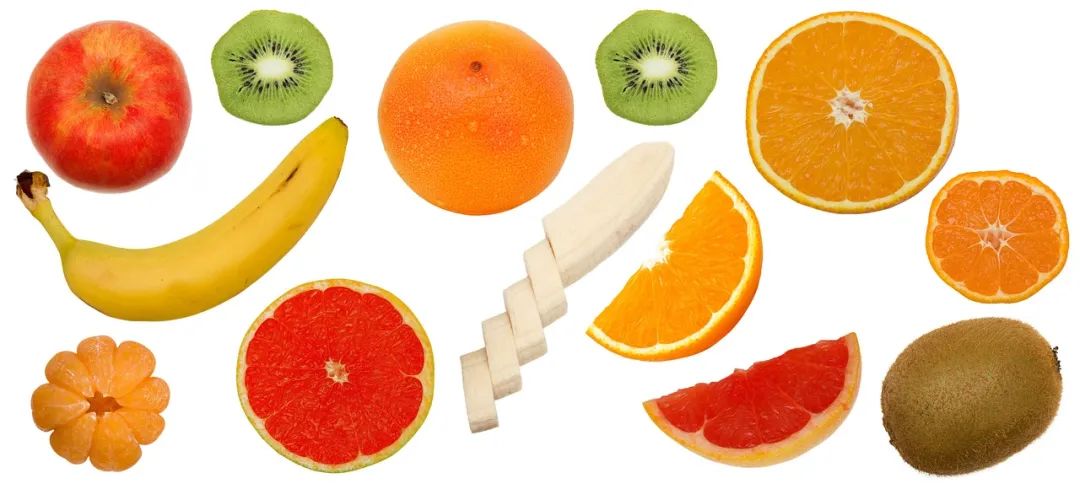
(Source: WeChat public platform public photo library)
Carbohydrate is composed of three elements: carbon, hydrogen and oxygen. Because the ratio of hydrogen to oxygen is 2: 1, which is the same as water, it is named as the most abundant organic compound with broad-spectrum chemical structure and biological function in nature, which provides heat energy for human body and is the main source of energy needed by all organisms to maintain life activities. It is divided into two categories: effective carbohydrates that can be absorbed and utilized and ineffective carbohydrates that people can’t digest. The latter is dietary fiber, as described later.
Some carbohydrates also have special physiological activities, which are the main nutrients that provide energy for life activities (anaerobic glycolysis substrates of nerve tissues and red blood cells); Because it is eventually decomposed into sugar in the body, it is called sugar, which can promote the metabolism of other nutrients and have a special "nitrogen-saving" effect; Participate in the human body to form tissues and synthesize glycogen.
Protein molecules contain carbon, hydrogen, oxygen, nitrogen, and possibly sulfur, phosphorus and other elements. Alpha-amino acids are combined in a certain order to form a polypeptide chain, and then one or more polypeptide chains are combined in a specific way to form a polymer compound, which constitutes the scaffold and main substances of human tissues and organs and plays an important role in human life activities. It can be said that there would be no life activities without protein.
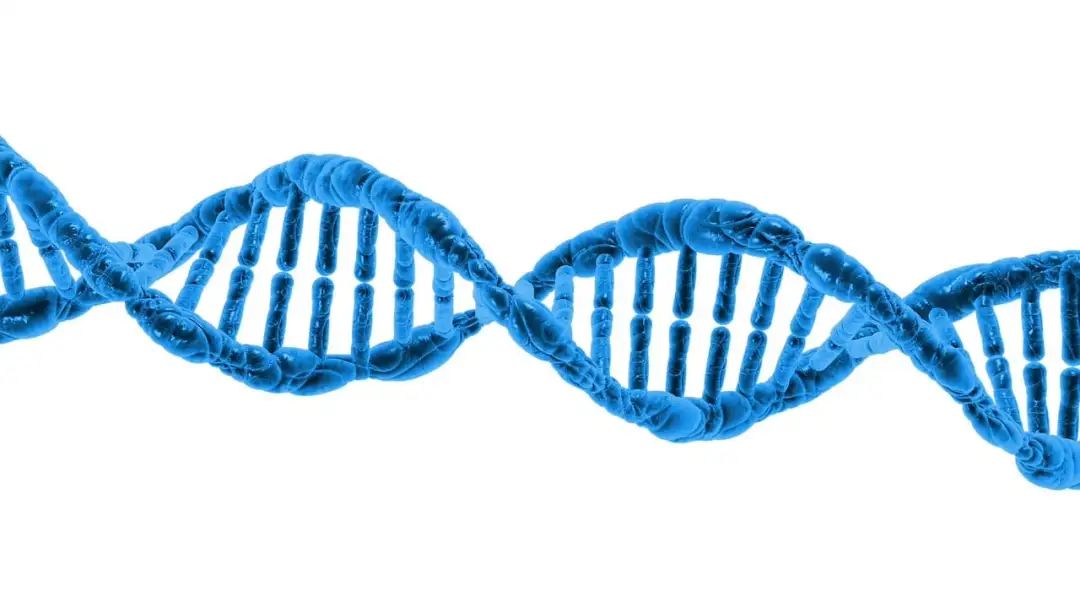
(Source: WeChat public platform public photo library)
Amino acid is its basic constituent unit, which is formed into peptide chains through dehydration and condensation, and then is composed of one or more polypeptide chains and arranged in a certain order. This is protein. The amino acid sequence is encoded by the corresponding gene, encoding 20 basic amino acids. Some amino acid residues can be modified after translation to change the chemical structure, thus activating or regulating protein. A plurality of protein play a specific function by forming a stable protein compound, folding or spiraling to form a certain spatial structure. Synthetic peptides’s organelles are ribosomes on the rough endoplasmic reticulum in cytoplasm, and protein’s differences lie in the types, numbers, arrangement order and spatial structure of its amino acids. Protein constitutes the material basis of human cells, promotes the growth and tissue repair of the body, forms antibodies against diseases, maintains the osmotic pressure of the human body and transmits genetic information. The ingested protein is digested, hydrolyzed into amino acids and absorbed in the body, and then the protein needed by the human body is synthesized. The new protein is constantly metabolized and decomposed, and is always in a dynamic balance. The quality and quantity of protein in food and the proportion of various amino acids are related to the amount of protein synthesis, growth and development, prenatal and postnatal care, health and longevity, and are closely related to the amount of protein in diet. Protein can be divided into complete protein and incomplete protein. protein, which lacks essential amino acids or has little content, is called incomplete protein, such as protein in cereals and gelatin in animal skins and bones.

(Source: WeChat public platform public photo library)
Fat is the general name of oil, fat and lipid. What is liquid at room temperature is called oil, and what is solid is called fat. Fat is composed of three elements, C, H and O, and is a triglyceride composed of glycerol and fatty acids. The molecule of glycerol is relatively simple. Fatty acids can be divided into three categories: saturated fatty acids, monounsaturated fatty acids and polyunsaturated fatty acids, or long-chain, medium-chain and short-chain fatty acids according to the length of carbon content. Fat is soluble in most organic solvents and insoluble in water. It is a glyceride of one or more fatty acids. The cell membrane composed of lipids separates the organelles from the surrounding environment, mainly provides macro nutrients for energy, and also has the functions of maintaining body temperature and protecting organs. Fatty acids are an important guarantee for the normal operation of the brain, immune system and reproductive system, and contribute to health and longevity. Fat lubricates body tissues and joints, and is also an important component of human body (phospholipid is an important component of biofilm). Cholic acid and steroid hormones have the functions of nutrition, metabolism and regulation. As the surface substance of cells, lipids are closely related to cell recognition, species specificity and tissue immunity. The digestibility of fat is related to its melting point. The more unsaturated fatty acids, the lower the melting point: the digestibility of vegetable oil reaches 100%. The melting point of animal fat is above 40℃, the digestibility is 80% ~ 90%, and the content of linoleic acid and linolenic acid in vegetable oil is relatively high, which provides essential fatty acids. Fat helps the absorption of fat-soluble vitamins a, e, k and d.

(Source: WeChat public platform public photo library)
Vitamins are a kind of organic compounds necessary for maintaining health, and they are also a kind of regulatory substances. It is not the raw material of body tissue, nor the source of energy. It is an important active substance that plays an important role in substance metabolism and maintains human health. It can’t be synthesized in the body or the amount of synthesis is insufficient. The required amount is small but indispensable, and it must be supplied by food frequently.
Common ground of various vitamins:
① All of them exist in food in the form of provitamin;
② It is not a component of body tissues and cells, and does not produce energy, but mainly participates in the regulation of body metabolism;
③ Most vitamins can’t be synthesized by the body or the synthetic amount can’t meet the needs of the body, so they must be obtained from food frequently;
④ The human body needs a small amount of vitamins, once lacking, it will lead to corresponding vitamin deficiency.
Vitamins are divided into three categories: one is fat-soluble vitamins, which can be stored in the body, including vitamins A, D, E and K; The other is water-soluble vitamins, which need to be provided from food every day, including vitamins C, B1, B2, B6, B12, nicotinic acid (vitamin B3), pantothenic acid (calcium pantothenate), folic acid (vitamin B9), choline, biotin, etc. The third category is provitamin, whose chemical structure is similar to a certain vitamin, which can be converted into vitamin through simple metabolic reaction, such as β -carotene can be converted into vitamin A; 7- dehydrocholesterol can be converted into vitamin D3 and so on.
Vitamins account for a very small proportion in natural foods and are necessary for the human body. There are dozens of vitamins found now, which play an extremely important role in the metabolism, growth, development and health of the body and are important substances for maintaining and regulating the normal metabolism of the body. Many vitamins are coenzymes of enzymes or components of coenzymes. The best vitamins exist in human tissues in the form of "bioactive substances". Vitamins B6 and K can be synthesized by bacteria in animal intestines, and the amount of synthesis can meet the needs. Primates cannot synthesize vitamin C by themselves. Animal liver, eggs, dairy products, carrots, pumpkins, bananas, oranges and some green leafy vegetables are rich in vitamin A; Ingredients such as cod liver oil, eggs, margarine, milk and tuna are rich in vitamin D; Grain embryo, vegetable oil and green leaves are rich in vitamin E; Green leafy vegetables are rich in vitamin K; Sunflower seeds, peanuts, soybeans, pork, cereals and wild edible fungus Tricholoma matsutake are rich in vitamin B1. Meat, cereals, vegetables and nuts are rich in vitamin B2. Pig, beef, mutton, fish, poultry, shellfish and eggs are rich in vitamin B12;. Lemon, orange, apple, jujube, strawberry, pepper, potato and spinach are rich in vitamin C.

(Source: WeChat public platform public photo library)
Minerals and trace elements are not exactly the same substance. Minerals are also called inorganic salts. Except for carbon, hydrogen and oxygen, the rest of the 60 elements in human body belong to minerals, accounting for more than 0.01 of the total weight of human body.
There are 11 kinds of essential macroelements for human body, such as calcium, aluminum, magnesium, sodium, potassium, iron, sulfur, phosphorus, chlorine, etc. Essential trace elements refer to elements that are necessary to maintain human life, development and reproduction, accounting for less than 0.01% of the total weight of human body and less than 100 mg a day. There are 14 kinds of elements such as iodine, copper, zinc, manganese, cobalt and fluorine, which play an extremely important role in regulating life metabolism.
Calcium-supplementing foods include milk and dairy products, beans and bean products, small fish and shrimp, bones and shells, kelp, seaweed, sesame seeds, sesame paste, etc. Phosphorus supplements are widely found in various animals and plants: lean meat, fish, poultry, eggs, milk and their products are rich in phosphorus, and nuts, kelp, laver, oilseeds and beans are also high in phosphorus. As long as there is enough protein and calcium in food, there will be enough phosphorus. Phosphorus absorption rate in cereal plants is low; Iron-supplementing food consists of animal liver, kidney, blood, red meat, beans, fungus and sesame paste. The high phosphorus protein in egg yolk will interfere with the absorption of iron, and the effect of iron supplementation is not very good. Zinc-supplemented foods are mainly found in shellfish such as oysters, red meat, animal viscera, dried fruits, cereal embryos, wheat bran, peanuts and peanut butter, eggs, bean sprouts, oats, etc. Strengthen iodized salt by eating iodized food seafood; Selenium-supplemented foods such as seafood and animal offal, such as caviar, sea cucumber, pig kidney, oysters and clams, are also high in wheat germ powder, purple peanuts, dried mushrooms, peas and lentils. Tea, marine fish, kelp and laver can be used to supplement fluorine. Generally, the fluorine content of animal foods is higher than that of plant foods, while that of marine animals is higher than that of fresh water and land foods.

(Source: WeChat public platform public photo library)
Dietary fiber mentioned earlier is a kind of polysaccharide, which can not be digested and absorbed by gastrointestinal tract and can not produce energy carbohydrates.
Among them, soluble dietary fiber includes pectin, alginate, konjac, etc., and the main component is glucomannan, which has the outstanding characteristics of strong water absorption. The gastrointestinal tract is intertwined with other carbohydrates, delaying the absorption of the latter; Insoluble dietary fiber mostly comes from whole grains, beans, vegetables and fruits, which can promote gastrointestinal peristalsis, accelerate the passage of food through the gastrointestinal tract, reduce absorption, and absorb water in the large intestine to soften stools, thus playing a role in preventing and treating constipation.
Dietary fiber has a very important physiological function, and it is also closely related to improving and maintaining human immunity, anti-diarrhea and constipation, reducing intestinal polyps, diabetes, lowering blood cholesterol and triglycerides, controlling weight and colorectal cancer, and treating cholelithiasis and preventing and treating intestinal diverticulosis. Water-soluble dietary fiber swells after absorbing water, and chyme mass is sticky. Water-insoluble dietary fiber mixed with chyme mass can increase its volume, increase satiety and stimulate intestinal peristalsis. Bile acid secreted by the liver absorbs fat and cholesterol. Dietary fiber absorbs bile acids and reduces the absorption of cholesterol in food. Dietary fiber mixed with chyme can reduce the absorption of sugar in food by small intestine and reduce the metabolic burden of pancreas. Water-soluble dietary fiber is fermented by intestinal bacteria to synthesize short-chain fatty acids, breed probiotics and adjust intestinal PH value. Rapid defecation means that the stay time of feces in the intestine is shortened, and the contact between carcinogens and intestinal mucosa is prevented for a long time.
The standard of dietary fiber intake is 30g per day, while the dietary fiber intake of Chinese people is only 40% ~ 45%. The source of daily dietary fiber is based on the principle of food diversification, emphasizing the intake of soluble dietary fiber and taking into account the intake of insoluble dietary fiber. The content of insoluble dietary fiber in dark green vegetables is higher than that in light colored vegetables, such as leeks and celery. Bamboo shoots, wild vegetables. Potato food, nuts, mushrooms, fungus, kelp and other fungus food and apples, pears and peaches are rich in soluble dietary fiber.
Read the original text